
Desserts
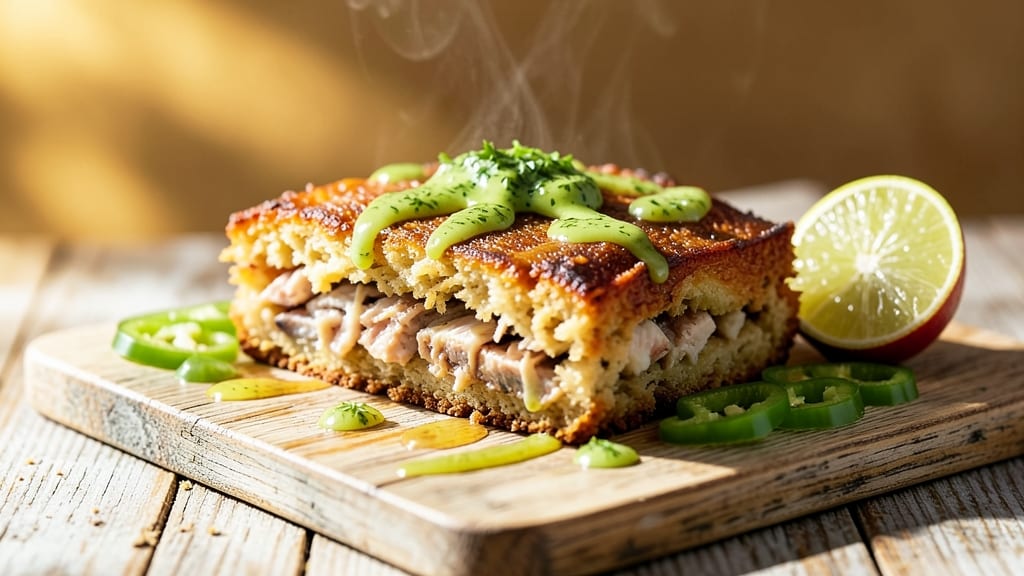
This Antigua saltfish cake recipe brings a taste of the Caribbean straight to your kitchen, where crispy golden fritters meet tender salted cod and zesty lime. 🌟 The dish is a beloved staple in Antigua, where saltfish—traditionally dried and salted cod—transforms into something light, flavorful, and utterly satisfying.
What makes these cakes special is the balance of textures: the outside stays crispy, while the inside remains tender, all held together by a batter infused with warm spices and fresh herbs.
The process begins with soaking the saltfish to remove excess salt, then shredding it into flakes that absorb the flavors of the seasoned batter. The key to perfect saltfish cakes lies in the frying—golden brown on the outside, never soggy inside.
This recipe stays true to its roots while being approachable for home cooks, ensuring every bite delivers that authentic Caribbean taste. Whether you're serving them as a main dish or a side, they're guaranteed to impress.
Pair these spiced cod fritters with a tangy lime crunch or a side of pepper sauce for the full Antigua experience. The lime adds a bright, refreshing contrast to the rich, savory flavor of the cakes, making each bite unforgettable.
This dish is more than just a recipe—it's a celebration of Caribbean tradition and the simple joy of cooking with what you have.
Ready to bring a taste of Antigua to your table? The steps are straightforward, and the results are worth every moment. Let's get started on creating these crispy, flavorful saltfish cakes that taste like a piece of the island.
Ingredients for antigua saltfish cake
Saltfish, lime, and warm spices—just eight ingredients transform into crispy, golden Antigua fritters.
| Ingredient | Amount | Notes |
|---|---|---|
| Saltfish (Salted Cod) 🐟 | 12 oz | Soaked 24 hours, excess salt removed |
| All-Purpose Flour 🌾 | 1 ½ cups | For crispy batter texture |
| Fresh Lime Juice 🍋 | ½ cup | Bright, freshly squeezed |
| Fresh Limes 🍋 | 2 whole | For garnish and extra crunch |
| Fresh Cilantro 🌿 | ¼ cup | Chopped, stems removed |
| Green Bell Pepper 🧅 | 1 whole | Diced, for crunchy texture |
| Yellow Onion 🧅 | 1 whole | Diced, for sweet depth |
| Scotch Bonnet Pepper 🌶️ | 1 whole | Seeded, finely chopped (adjust heat) |
| Garlic Cloves 🧄 | 4 cloves | Minced, for aromatic punch |
| Ground Allspice 🌶️ | 1 tsp | Key Caribbean spice |
| Ground Cumin 🌿 | ½ tsp | Earthy depth |
| Salt 🧂 | 1 tsp | Kosher or sea salt |
| Black Pepper 🌶️ | ½ tsp | Freshly ground |
| Vegetable Oil 🫒 | 3 cups | For frying, high smoke point |
| Baking Powder 🌾 | 1 tsp | For lightness in batter |
The saltfish is the heart of this dish, so don't skip the soak. Look for authentic saltfish at Caribbean markets or well-stocked seafood counters—it should be firm and salt-cured, not slimy. If you can't find it, salt cod from a specialty store works too, but soak it for at least 24 hours, changing the water every 6 hours. The lime juice is non-negotiable—freshly squeezed gives that bright Caribbean tang. For extra authenticity, grab Scotch bonnet peppers from a Latin market, but if you can't find them, jalapeño or habanero will do in a pinch (just reduce the amount).
No fresh cilantro? Dried cilantro or parsley at half the amount works, though nothing beats the fresh stuff. The bell pepper and onion can be swapped for carrots or sweet potatoes if you're feeling adventurous. If you're sensitive to spice, remove the seeds and membranes from the Scotch bonnet—or skip it entirely. The batter needs to be thick but pourable, so if it feels too dry, add 1-2 tbsp of water or lime juice. And trust me, vegetable oil is your friend here—it's stable for frying and won't overpower the flavors like olive oil might.
These cakes are best served fresh, but they reheat beautifully in a 350°F oven for 5-10 minutes. For extra crunch, fry them again briefly before serving. Store leftovers in an airtight container in the fridge for up to 3 days, though they're not as crispy after the first day. Freezing isn't recommended—they get soggy. Garnish with lime wedges and extra cilantro right before serving, because that's when they taste like Antigua.
Why You'll Love This Recipe
- No-Soak Required: The saltfish here soaks itself—just cover it in warm water for 10 minutes while you mix the batter. No overnight prep, no fuss. Honestly, I’ve made this after work when I forgot to soak it earlier.
- Zesty Bite Every Time: That lime juice isn’t just garnish—it’s the star. The bright tang cuts through the saltiness of the fish, while the cilantro adds a fresh herbal punch. Between us, I’ve had people ask for the recipe just to taste the crust’s crispy edge.
- Lunchbox Hero: These cakes hold up like champions—pack them cold for work or school, and they’ll still taste fresh hours later. My daughter’s favorite? The way they stay sturdy enough to eat with one hand while running out the door.
- Pantry Stretch: Saltfish is cheap, and flour stretches further than you’d think. I’ve fed four people for under $10, and the leftovers? Just as good reheated or cold. Not the prettiest, but the taste makes up for it every time.
Step-by-step instructions for Antigua saltfish cakes
Here's how to make these crispy, flavor-packed saltfish fritters that taste just like Antigua.
👨🍳 Step 1: Prep and Shred the Saltfish
Start by flaking the 12 oz saltfish into small, even pieces using your fingers or a fork. You want bite-sized chunks that will hold together in the batter. Place the flaked fish in a colander and rinse under cold water to remove any remaining saltiness. This soaking step is crucial—it prevents the fritters from tasting too salty.
Drain well and pat dry with paper towels. The fish should be completely dry before mixing with the batter. I like to press the flakes gently between paper towels to remove excess moisture. This ensures crispy fritters rather than soggy ones. Set aside while you prepare the remaining ingredients.
🍳 Step 2: Make the Spiced Batter
In a large mixing bowl, combine the 1.5 cups all-purpose flour, 1 tsp baking powder, 1 tsp salt, 0.5 tsp ground cumin, 1 tsp ground allspice, and 0.5 tsp black pepper. Whisk these dry ingredients together until fully combined and no lumps remain. The baking powder will help create light, airy fritters.
In a separate bowl, mix the 0.5 cup fresh lime juice with the 12 oz flaked saltfish. Let this marinate for 10 minutes while you prepare the remaining vegetables. This acid helps tenderize the fish and adds that signature tangy flavor. After marinating, add the fish mixture to the dry ingredients and stir gently just until combined.
🔪 Step 3: Chop and Mix the Vegetables
While the fish marinates, finely chop the 1 whole green bell pepper, 1 whole yellow onion, 1 whole Scotch bonnet pepper (remove seeds for less heat), and 4 cloves garlic. The 0.25 cup fresh cilantro should be chopped as well. Add all these chopped vegetables to the fish mixture and stir gently to combine.
Let the batter rest for 15 minutes before frying. This resting time allows the flour to fully hydrate and the flavors to meld together. The batter should be thick but still pourable—if it's too thick, add 1-2 tablespoons of water to help it flow better when frying.
🔥 Step 4: Fry the Saltfish Cakes
Heat 3 cups vegetable oil in a deep skillet or Dutch oven to 350°F. Use a thermometer to monitor the oil temperature—it should be hot but not smoking. Working in batches, carefully drop tablespoon-sized portions of batter into the hot oil. Don't overcrowd the pan or the oil temperature will drop.
Fry the fritters for 3-4 minutes per side until they're golden brown and crispy. You'll know they're done when they float to the surface and maintain their shape. Use a slotted spoon to transfer them to a paper towel-lined plate to drain excess oil. Keep the cooked fritters warm in a 200°F oven while you fry the remaining batter.
🍽️ Step 5: Serve with Lime and Garnish
Slice the 2 whole fresh limes into wedges for serving. Arrange the crispy saltfish cakes on a platter and garnish with the remaining 0.25 cup chopped cilantro. Serve immediately with lime wedges on the side. These fritters are best enjoyed fresh while they're still crispy and warm.
For extra flavor, squeeze a little fresh lime juice over the top just before serving. The combination of crispy exterior, tender fish, and tangy lime creates the perfect balance of flavors that makes these saltfish cakes so special. Enjoy with a cold beer or tropical drink for the ultimate Caribbean experience!
Pro Tips For Making Antigua Saltfish Cake
- SOAK SALTED COD LONGER: I learned this the hard way—rushing the soak leaves your saltfish cake tasting like a salt lick. Use at least 12 hours (overnight is better) in cool water, changing it twice to remove excess salt. The fish should bend easily when done—no resistance.
- PULVERIZE THE FISH: Skip the lazy shredding; blend the soaked saltfish with the lime juice until it’s a fine, paste-like texture. This makes the cake denser and more flavorful—no dry, fishy chunks sneaking through. (Yes, even if you’re impatient like me.)
- DON’T OVERMIX THE BATTER: Overworking the flour-saltfish-lime mix introduces too much air, and your cake will turn out spongy instead of firm. Stir just until combined—lumps are fine, but a thick, sticky batter is what you want.
- PRESS HARD WHEN FRYING: Antiguan saltfish cakes need pressure to hold their shape. Use a fork or spatula to press the batter firmly into the oil—no half-hearted drops. This guarantees a golden crust and prevents crumbling. (Your future self will thank you.)
Regional styles of this antigua saltfish cake
Caribbean-Inspired Variations
In Antigua, these saltfish cakes are often served with a pepper sauce made from Scotch bonnet peppers, vinegar, and a touch of sugar.
For a milder version, blend 2 tbsp hot sauce, 1 tbsp lime juice, and 1 tsp honey—this adds a sweet-spicy kick that balances the richness. I love serving them with fried plantains on the side, too; the caramelized sweetness contrasts beautifully with the savory fritters. 🌶️
Barbados Twist
In neighboring Barbados, they call these cod cakes and often add grated sweet potato or carrots to the batter for extra moisture and sweetness. Swap the lime juice for ½ cup coconut milk (lightly sweetened) to give them a tropical twist.
Barbadian versions also sometimes include 1 tsp nutmeg in the batter for warmth. The result is a slightly sweeter, more aromatic cake.
Jamaican Fusion
Jamaican cooks often incorporate jerk seasoning into their saltfish cakes, giving them a smoky, spicy depth. Add 1 tsp jerk seasoning (store-bought or homemade) to the dry ingredients for a bold flavor.
Jamaican-style cakes also sometimes include diced scotch bonnet peppers and a pinch of allspice for extra complexity. Serve with a side of mango chutney to cut through the heat.
Modern Adaptations
For a lighter take, try baking instead of frying. Preheat your oven to 400°F and bake the batter in 1-tbsp-sized mounds on a greased baking sheet for 15-18 minutes until golden.
This method reduces oil but keeps the crispy texture. Another modern twist? Add ½ cup shredded cabbage to the batter for a crunchy, low-carb version that still feels indulgent.
Regional Serving Styles
In Antigua, these cakes are often served as a main dish with a side of coleslaw (made with cabbage, carrot, and a tangy lime dressing). For a heartier meal, pair them with steamed green bananas or boiled yams.
In Trinidad, they’re sometimes served with chutney or pickled onions to add acidity. No matter how you serve them, the lime garnish is non-negotiable—it’s the secret to that authentic Caribbean bite. 🍋
Nutrition facts
Frequently asked questions
Why does my batter taste too salty?
This usually happens if you didn't soak the saltfish long enough. Always soak for at least 24 hours, changing the water every 6 hours to remove excess salt. After soaking, rinse the flaked fish thoroughly under cold water and pat completely dry before mixing. If it's still too salty, add 1-2 extra tablespoons of lime juice to balance the flavor.
Can I make these saltfish cakes without frying?
For a lighter version, preheat your oven to 400°F and bake the batter in 1-tbsp-sized mounds on a greased baking sheet for 15-18 minutes until golden. The texture will be slightly different—less crispy but still delicious. Brush with a little oil before baking for extra crunch.
What's the best way to store leftovers?
Keep leftovers in an airtight container in the fridge for up to 3 days, but they won't be as crispy after the first day. For reheating, warm in a 350°F oven for 5-10 minutes or air-fry at 375°F for 3-4 minutes. Freezing isn't recommended—they tend to get soggy.
How do I adjust the spice level?
For milder heat, remove the seeds and membranes from the Scotch bonnet pepper before chopping. If you want more kick, add ½ tsp extra cayenne pepper to the dry ingredients. You can also serve with a side of mango chutney or sweet pepper sauce to balance the heat.
What's the cultural significance of saltfish cakes in Antigua?
Saltfish cakes are a staple in Antigua's cuisine, dating back to colonial times when salted cod was a preserved food source. They're often served at family gatherings, Sunday lunches, and festivals. The dish represents resourcefulness and tradition—using simple ingredients to create something flavorful and satisfying. In Antigua, they're typically served with pepper sauce and coleslaw for a complete meal.