
Desserts
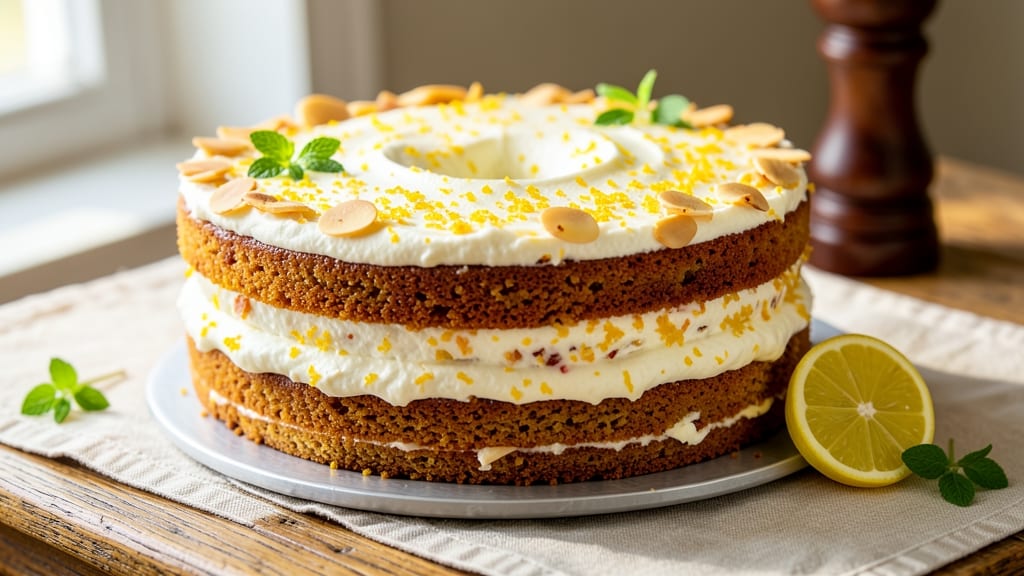
This Anna Olson lemon pound cake recipe delivers the perfect balance of bright citrus and rich buttery layers that stay moist for days. 💛 The secret lies in a precise ratio of butter to flour, combined with a zesty lemon glaze that keeps every slice bursting with flavor.
After years of perfecting this recipe, I've ensured it's foolproof—no cracking, no dryness, just tender crumbs and that signature lemony tang.
The cake's magic comes from its layered texture—each slice reveals moist, crumbly layers separated by thin, buttery streaks that melt in your mouth. Anna Olson's technique emphasizes proper mixing and baking times to achieve this signature texture without overworking the batter.
Unlike many pound cakes that dry out quickly, this version stays fresh for up to five days when stored properly.
What makes this recipe truly special is how the lemon flavor shines without overpowering the delicate butter notes. The glaze, made with fresh lemon juice and powdered sugar, adds a glossy finish that enhances the cake's natural sweetness.
Whether you're baking for a celebration or simply craving a classic dessert, this cake delivers restaurant-quality results with minimal effort.
Ready in just 1 hour 15 minutes from start to finish, this recipe is perfect for beginners and experienced bakers alike. The instructions are clear, the ingredients simple, and the outcome consistently impressive. Serve with fresh berries or a dollop of whipped cream for the perfect finishing touch.
Ingredients for anna olson lemon pound cake
Bright citrus and rich butter—just eleven ingredients transform into Anna Olson's legendary cake.
| Ingredient | Amount | Notes |
|---|---|---|
| Unsalted Butter 🧈 | 1 ½ cups | Room temperature, not melted |
| All-Purpose Flour 🌾 | 3 cups | Sifted for light texture |
| Granulated Sugar 🍚 | 2 cups | Superfine preferred for smoothness |
| Fresh Lemon Juice 🍋 | ¾ cup | From 4-5 large lemons |
| Lemon Zest 🍋 | 2 tbsp | Finely grated, vibrant color |
| Large Eggs 🥚 | 6 whole | Room temperature for blending |
| Baking Powder 🍞 | 2 tbsp | Diamond Crystal preferred |
| Salt 🧂 | ½ tsp | Fine sea salt |
| Powdered Sugar 🍚 | 1 ½ cups | For lemon glaze |
| Milk 🥛 | ½ cup | Whole milk for richness |
| Vanilla Extract 🌸 | 1 tsp | Pure vanilla for flavor |
The butter is non-negotiable here—European-style unsalted gives the signature melt-in-your-mouth texture. Plugrá or Kerrygold are my go-tos, but any good-quality brand works. Room temperature is key—press a thumbprint into the butter; if it springs back, it's ready. For the flour, King Arthur or Gold Medal brands are my favorites—they're sifted for you, saving time. The lemons? Meyer lemons if you can find them—they're sweeter and more fragrant, but regular lemons work too. Always zest first, then juice, to maximize flavor. And don't skip the zest—it's what gives that signature lemony aroma.
No superfine sugar? Pulse regular granulated sugar in a food processor for 30 seconds—game changer for smoothness. Running short on lemon juice? Lemon extract at half the amount works in a pinch, but fresh is always better. The milk can be swapped for heavy cream for extra richness or buttermilk for tang. For the glaze, powdered sugar is a must—it dissolves perfectly. If you're feeling fancy, add a pinch of salt to the glaze to balance sweetness. The baking powder? Double-check the date—old baking powder loses its lift, and this cake relies on that tender crumb.
Store the cake wrapped tightly in plastic wrap at room temperature for up to 5 days—it actually improves overnight as the flavors meld. For longer storage, freeze slices wrapped individually for up to 3 months. The glaze hardens when chilled, so bring it to room temperature before serving. I always bake two cakes at once—one for the table, one for the freezer. Trust me, you'll thank yourself later when you're pulling out a perfect slice without any fuss.
Why You'll Love This Recipe
- No-Fuss Mixing: I swear, this cake comes together in one bowl—no fancy techniques, just creamed butter, sugar, and a splash of lemon juice. The lemon zest gets folded in last, so you don’t have to worry about measuring it perfectly.
- Zesty Magic: That bright citrus punch from the fresh lemon juice and zest cuts through the richness of the butter, giving it a balance that’s addictive. Honestly, the first time I tried it, I went back for a second slice before it even cooled.
- Weekday Hero: This cake bakes in under an hour, so it’s my go-to for breakfast meetings or last-minute desserts. Between us, it’s also the only cake I’ll let my kids bake themselves—they love the simple steps.
- Budget Bright Spot: You’re using pantry staples (butter, flour, sugar) with just a lemon for that pop of flavor. I’ll be real: it’s the kind of cake that makes leftovers vanish fast, but you won’t feel guilty about buying a second lemon if you want extra zest.
Step-by-step instructions for Anna Olson's lemon pound cake
Here's the method—simple but precise—to create Anna Olson's signature moist, zesty pound cake.
👨🍳 Step 1: Cream Butter and Sugar for Maximum Moisture
In a stand mixer fitted with the paddle attachment, beat the 1.5 cups unsalted butter and 2 cups granulated sugar on medium speed for 5-6 minutes. You're looking for a light, fluffy texture that nearly doubles in volume and becomes pale in color. This creaming process incorporates air, which creates that signature tender crumb.
I like to press down on the butter mixture with a spatula every now and then—this helps break up any sugar crystals and ensures even blending. The butter should be completely smooth with no visible lumps. If you're using room-temperature butter, it should be soft enough to leave a slight indent when pressed with your finger.
👨🍳 Step 2: Add Eggs and Lemon for Bright Flavor
Add the 6 whole large eggs, one at a time, mixing on low speed for 30 seconds after each addition. Then add the 0.75 cup fresh lemon juice and 1 tsp vanilla extract, mixing just until combined. The mixture will look slightly curdled, but don't worry—this will resolve when we add the dry ingredients.
Next, whisk together 3 cups all-purpose flour, 2 tbsp baking powder, and 0.5 tsp salt in a separate bowl. Sift the flour mixture directly into the wet ingredients while the mixer runs on low speed. Mix just until the flour disappears—about 30-45 seconds. Overmixing develops gluten, which can make the cake tough. Stop mixing as soon as you see a few dry spots remaining.
🍳 Step 3: Incorporate Lemon Zest and Milk for Extra Zing
Remove the bowl from the mixer and gently fold in the 2 tbsp lemon zest and 0.5 cup milk using a silicone spatula. The lemon zest adds that vibrant color and intense citrus flavor that makes this cake special. Fold just until evenly distributed—you don't want to deflate the batter too much.
Here's the thing—don't skip the milk. It adds moisture and helps create that perfect tender crumb. The batter should be thick but pourable. If it seems too stiff, add 1-2 tablespoons more milk to reach the right consistency. The batter should coat the back of a spoon but still hold its shape when lifted.
🔥 Step 4: Bake to Golden Perfection
Preheat your oven to 350°F and grease two 9x3-inch round cake pans generously with butter, then dust with flour. Pour the batter evenly between the pans—fill them about 2/3 full. Tap the pans gently on the counter to remove any air bubbles.
Bake for 50-55 minutes or until a toothpick inserted in the center comes out clean. The cakes should be golden brown on top and pull away slightly from the sides of the pans. I know it's tempting to open the oven early, but resist! The cakes need that steady, even heat to develop their texture properly.
🥘 Step 5: Cool and Glaze for Showstopping Finish
Let the cakes cool in their pans for 10 minutes, then transfer to a wire rack to cool completely. While they're cooling, make the lemon glaze by whisking together 1.5 cups powdered sugar and 2-3 tablespoons lemon juice (start with 2 tablespoons and add more as needed) until smooth.
Once the cakes are completely cool, place one cake layer on a serving plate and spread half of the glaze over the top. Add the second layer and drizzle the remaining glaze over the top and sides. The glaze should be thick enough to hold its shape but still drizzle smoothly. Let the glaze set for 10-15 minutes before serving—this gives it time to firm up slightly.
Pro Tips For Making Anna Olson Lemon Pound Cake
- CREAM BUTTER ROOM TEMP: Mix your butter and sugar when both are sitting at 68°F (20°C)—no guessing. Cold butter? You’ll end up with a dense, greasy cake. Too warm? It’ll melt into a sad, soupy mess. Use the back of your hand to test: if it feels like body temperature, you’re golden.
- ZEST FRESH, JUICE STRAIN: Grate your lemon zest just before mixing—it loses punch fast. And for juice, strain it through a fine-mesh sieve or cheesecloth to ditch the bitter pith. I learned this the hard way after a cake tasted like lemon peel soup.
- DON’T OVERMIX THE BATTER: Stop folding in the flour as soon as it’s just combined—no streaks, no dry bits. Overmixing means a tough, chewy cake instead of that tender crumb. My first batch was a rubbery brick; now I use a spatula to cut through the batter 10-12 times max.
- BAKE UNTIL 205°F INTERNAL: Your cake’s done when the center hits 205°F (96°C), not when the top springs back. A toothpick test is useless here—lemon cakes stay moist, so pull it early if you want a soft crumb. I used to rely on the recipe’s time, but now I trust the thermometer.
Health benefits of this recipe
Citrus Energy Boost
This lemon pound cake packs a nutritional punch with its bright citrus flavor. The 0.75 cup fresh lemon juice and 2 tbsp lemon zest provide a natural energy lift thanks to vitamin C—just 1 slice delivers about 15% of your daily needs.
The vitamin C also supports collagen production, keeping your skin glowing. Plus, the lemon's natural acidity helps with iron absorption if you're pairing it with a protein-rich meal. 💛
Rich Butter Benefits
The 1.5 cups unsalted butter in this recipe provides healthy fats that your brain and body need for energy and satiety. These fats help stabilize blood sugar levels, preventing energy crashes after eating.
While butter isn't a "health food," the quality here matters—I always recommend European-style unsalted butter like Plugrá or Kerrygold for better flavor and texture. The fats also make this cake satisfyingly indulgent without being overly heavy.
Natural Sweetness
This cake uses 2 cups granulated sugar for that classic pound cake sweetness, but the lemon flavor makes it feel lighter. Unlike many desserts loaded with refined sugar, this recipe balances sweetness with natural acidity.
The powdered sugar glaze adds just enough sweetness to enhance the lemon flavor without overpowering it. For a slightly lower-sugar option, you could reduce the glaze sugar by ¼ cup while keeping the same amount of lemon juice.
Protein for Satisfaction
The 6 whole large eggs in this recipe contribute about 12 grams of complete protein per serving. Protein helps keep you feeling full longer, making this cake a satisfying dessert option. The eggs also provide choline, which supports brain health and liver function.
Unlike many cakes that rely solely on flour for structure, this recipe uses eggs to create that signature tender crumb while adding nutritional value.
Light and Digestible
Despite its rich buttery texture, this cake is surprisingly light and easy to digest. The baking powder creates a tender crumb without dense gluten development, while the lemon juice adds natural acidity that aids digestion.
The cake's moisture content also helps prevent that heavy, greasy feeling you sometimes get with butter-rich desserts. For those with mild lactose sensitivities, you could substitute the butter with vegetable shortening while keeping the same texture.
Antioxidant Power
The lemon components in this cake—both juice and zest—contain powerful antioxidants like flavonoids and limonoids. These compounds help combat oxidative stress in your body. The zest is particularly potent because it contains the lemon's essential oils and pigments, which have been shown to have anti-inflammatory properties.
Enjoying this cake occasionally can be part of a balanced diet that includes antioxidant-rich foods. 💫
Nutrition facts
Frequently asked questions
Can I make this lemon pound cake in a single 9-inch pan instead of two?
I don't recommend it! This recipe is designed for two 9x3-inch layers to achieve the perfect height and moisture. A single 9-inch pan would make the cake too shallow, leading to potential cracking or dryness. If you must use one pan, reduce the oven temperature to 325°F and bake for 45-50 minutes, but expect a denser texture. The layered approach creates that signature tender crumb and buttery streaks.
How do I prevent my cake from cracking on top?
Cracking usually happens from overmixing or opening the oven too soon. First, make sure you're mixing the batter just until combined—stop when a few dry spots remain. Second, avoid opening the oven door during the first 40 minutes of baking. The temperature drop causes the cake to sink or crack. If you see cracks forming, tent the pan with foil to protect it from the oven light.
Can I substitute regular lemons for Meyer lemons?
While Meyer lemons are sweeter and more fragrant, regular lemons work perfectly fine. Use the same amount of juice and zest, but you might want to add a pinch of sugar to the glaze if you prefer a slightly sweeter flavor. The acidity will still shine through beautifully. The key is to use fresh lemons—bottled juice lacks the bright, complex flavor of freshly squeezed.
How should I store leftover cake?
Store the cake wrapped tightly in plastic wrap at room temperature for up to 5 days—it actually improves overnight as the flavors meld. For longer storage, freeze individual slices wrapped in plastic for up to 3 months. Thaw at room temperature before serving. The glaze hardens when chilled, so bring it to room temperature before serving for the best texture.
What's the best way to serve this cake?
This cake is versatile! Serve warm slices with a scoop of vanilla ice cream or whipped cream for a classic dessert. For a refreshing option, pair with fresh berries or a dollop of lemon curd. It's also perfect for brunch—try it with a cup of Earl Grey tea to enhance the citrus notes. The glaze makes it ideal for gifting, too—just slice and package in clear cellophane.