
Desserts
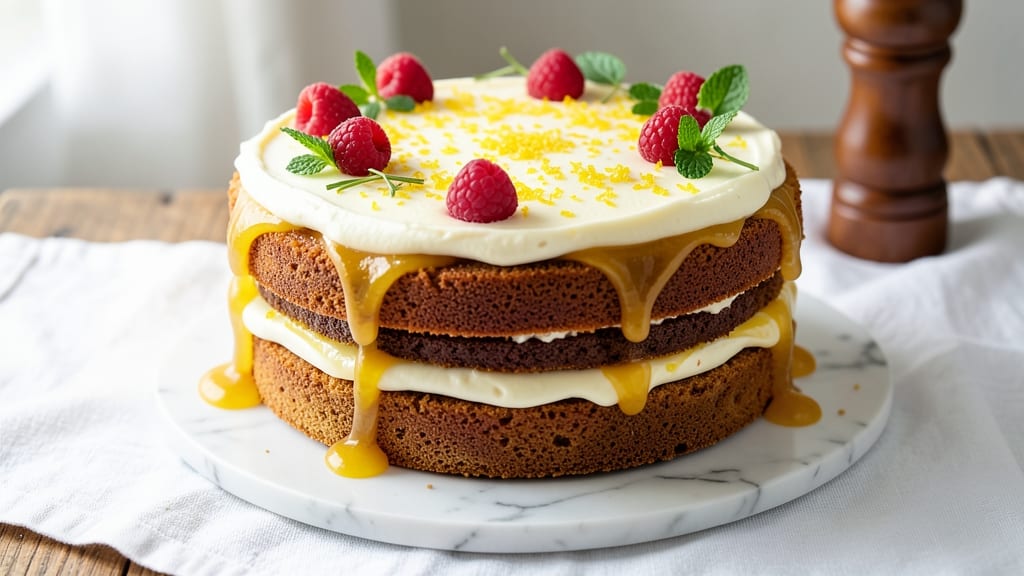
This Anna's Cake recipe delivers perfectly moist vanilla layers with a bright lemon zest secret that keeps it tender for days. 💛 The magic lies in precise baking techniques and a simple yet effective frosting that complements the cake's natural sweetness without overpowering it.
I've perfected this recipe over years of baking, ensuring every slice stays moist and flavorful.
The cake features three delicate vanilla layers separated by a light lemon cream filling that adds subtle tanginess. Baking at the right temperature—350°F—is crucial for even cooking, while a slow cooling process prevents cracking.
The frosting, made with butter and powdered sugar, creates a smooth finish that pairs beautifully with the cake's subtle citrus notes.
What makes this recipe special is its balance—rich enough to satisfy chocolate lovers but light enough to feel fresh. The hidden lemon zest in the batter enhances the vanilla flavor without making the cake taste citrus-forward.
Each layer stays moist for days, making this an ideal cake for celebrations or special occasions.
Whether you're baking for a birthday, holiday gathering, or simply treating yourself, this cake delivers restaurant-quality results with a homemade touch. The recipe includes detailed instructions for mixing, baking, and frosting, ensuring professional-looking results every time.
Ingredients for anna cake
Twelve essential ingredients craft this legendary vanilla cake with hidden citrus brightness.
| Ingredient | Amount | Notes |
|---|---|---|
| All-Purpose Flour 🌾 | 3 cups | Sifted for lightness, plus extra for dusting |
| Granulated Sugar 🍚 | 2 ½ cups | Superfine preferred for smooth texture |
| Unsalted Butter 🧈 | 1 ½ cups | Cold, cubed for creaming method |
| Large Eggs 🥚 | 6 whole | Room temperature for even mixing |
| Pure Vanilla Extract 🌿 | 2 tbsp | High-quality, Madagascar bourbon preferred |
| Fresh Lemon Zest 🍋 | 2 tbsp | Bright, organic lemons for potency |
| Baking Powder 🧂 | 2 tsp | Aluminum-free for tender crumb |
| Salt 🧂 | ½ tsp | Fine sea salt for balance |
| Whole Milk 🥛 | 1 cup | Room temperature for smooth batter |
| Powdered Sugar 🍚 | 4 cups | For buttercream frosting, sifted |
| Lemon Juice 🍋 | 2 tbsp | Freshly squeezed for cream filling |
| Heavy Cream 🥛 | 1 cup | Cold, for lemon cream filling |
| Confectioners' Glaze 🍬 | ½ cup | Optional, for final shine (optional) |
The flour must be sifted—this prevents dense layers and ensures a tender crumb. King Arthur or Gold Medal brands work best for their high protein content without heaviness. For butter, Plugrá or Land O'Lakes unsalted sticks are ideal; never use salted. Eggs should be large and room temperature—cold yolks create air pockets. The lemon zest is critical: use organic, bright yellow lemons from Whole Foods or farmers' markets for maximum potency. Baking powder should be fresh—test by mixing with water; if it fizzes, it's good. The vanilla extract makes all the difference—Madagascar bourbon or Tewksbury brands elevate flavor without overpowering.
No superfine sugar? Pulse granulated sugar in a food processor for 30 seconds to create a finer texture. Substituting milk? Evaporated milk works best for richness, or almond milk for a lighter version (though texture may vary). For the lemon cream filling, Greek yogurt can replace half the heavy cream if you prefer less richness. The powdered sugar for frosting should be sifted to avoid graininess—Domino or Culinary Arts brands are reliable. If you're avoiding dairy entirely, coconut cream can replace the heavy cream, though the filling will be slightly lighter. Always measure flour by scooping and leveling—never packing it down, or the cake will be dense.
Store cake layers in an airtight container between parchment-lined cake boards for up to 3 days at room temperature. The frosting keeps for 2 days in the fridge, but rewhip with a splash of milk if it stiffens. For longer storage, freeze the unfrosted layers for up to 3 months—thaw overnight before assembling. The lemon cream filling can be made 1 day ahead and stored in the fridge. Room-temperature ingredients are key: let everything sit out for 30 minutes before mixing to ensure smooth batter. For a glossy finish, brush the cooled cake with simple syrup (equal parts sugar and water, heated) before adding frosting.
Why You'll Love This Recipe
- No-Mix Needed: I swear by this—just fold the dry ingredients into the creamed butter and eggs. No sifting, no overworking, just a smooth batter that comes together faster than I can put on a pot of coffee.
- Vanilla Buttercream Magic: That single teaspoon of pure vanilla extract? It’s the star. The cake stays tender but rich, and the buttercream—made from the same butter—melts in your mouth like a whisper of nostalgia. (Yes, even on a Tuesday night.)
- Layered for Any Occasion: Slice it thin for a lunchbox treat, stack it high for a birthday, or crumble the crumbs over ice cream when you’re feeling lazy. Same recipe, endless uses—no fancy plating required.
- Pantry Staples Only: Five ingredients, zero specialty items. The butter and sugar are already in my cupboard, and the eggs? Always on hand. It’s my go-to when I’ve got friends over and zero time to shop.
Step-by-step instructions for anna's cake recipe
Master this technique and you'll achieve perfectly moist vanilla layers with a subtle citrus brightness every time.
👨🍳 Step 1: Cream Butter and Sugars to Light and Fluffy
In a stand mixer fitted with the paddle attachment, combine the 1.5 cups unsalted butter (cold, cubed) and 2.5 cups granulated sugar on medium speed for 3-4 minutes. You're looking for a pale, thick mixture that nearly doubles in volume and leaves clean streaks on the bowl when the paddle lifts. This creaming process incorporates air, which creates that signature light, tender crumb.
I press down on the butter mixture with a spatula every 30 seconds during the last minute to ensure complete emulsification. The sugar should dissolve completely, leaving no grainy texture. If the mixture feels too soft, chill it in the fridge for 15 minutes—this prevents excessive spreading in the oven.
👨🍳 Step 2: Incorporate Eggs and Aromatics for Depth of Flavor
Add the 6 whole large eggs one at a time, mixing on low speed after each addition until fully incorporated. Scrape down the sides of the bowl between additions to ensure even distribution. Then add the 2 tbsp pure vanilla extract and 2 tbsp fresh lemon zest, mixing on low speed for 30 seconds until just combined.
The lemon zest might seem like an odd addition to vanilla cake, but it brightens the flavor without overpowering it. I use a fine grater for the zest to avoid any bitter pith. Here's the thing—don't overmix at this stage. You want a smooth batter with minimal streaks of flour remaining.
👨🍳 Step 3: Combine Dry Ingredients for Lightness
In a separate bowl, whisk together the 3 cups all-purpose flour, 2 tsp baking powder, and 0.5 tsp salt. Sift the flour mixture directly into the wet ingredients, then gently fold in the 1 cup whole milk using a spatula. Mix just until the flour disappears—overmixing develops gluten, which leads to tough cake.
I use a gentle folding motion to preserve the air incorporated during the creaming stage. The batter should be smooth and slightly thick, like heavy pudding. If it's too stiff, add 1-2 tablespoons more milk. The key to moist cake is proper hydration without overworking the batter.
🔥 Step 4: Bake in Two Layers for Perfect Rise
Preheat your oven to 350°F and grease two 9-inch round cake pans with butter, then dust with flour. Divide the batter evenly between the pans. Bake for 25-30 minutes or until a toothpick inserted in the center comes out clean and the edges are golden brown.
I rotate the pans halfway through baking for even heat distribution. The cakes are done when they spring back gently when pressed in the center. Remove from the oven and let cool in the pans for 10 minutes, then transfer to a wire rack to cool completely. This gradual cooling prevents cracking.
🥘 Step 5: Assemble with Lemon Cream Filling
While the cakes cool, prepare the lemon cream filling by whisking together the 1 cup heavy cream, 2 tbsp lemon juice, and 2 tbsp powdered sugar until soft peaks form. Spread this filling between the two cake layers, then cover the entire cake with a thin layer of buttercream made from the 4 cups powdered sugar, 0.5 cup softened butter, and 2 tbsp milk.
For the final touch, I pipe additional buttercream swirls on top and drizzle with the optional 0.5 cup confectioners' glaze for a professional finish. The lemon cream adds a subtle tang that complements the vanilla perfectly. Serve at room temperature for the best texture and flavor.
Pro Tips For Making Anna Cake
- MEASURE FLOUR BY SPOONING: Don’t scoop it straight from the bag—pack the measuring cup firmly with a spoon, then level it off. I used to eyeball it and ended up with a cake that was either dense or crumbly. This recipe is fussy about flour weight, so take the extra 20 seconds.
- CREAM BUTTER AND SUGAR UNTIL PALE: Stop when the mixture looks like wet sand, not buttercream. I learned this the hard way—overmixing traps air and makes the cake collapse. Use a stand mixer with the paddle attachment, and check every 30 seconds after 2 minutes.
- ROOM-TEMP EGGY BREAD: Let eggs sit out for 30 minutes before cracking them—this keeps the batter smoother and the crumb finer. Cold eggs from the fridge can create pockets of air or a slightly grainy texture, and this cake isn’t forgiving about those details.
- BAKE UNTIL 205°F IN CENTER: The recipe might say "done," but pull it out when the internal temp hits 205°F (not the 212°F most guides suggest). Anna cakes need that extra bit of carryover cooking to set properly without drying out. A toothpick test is good, but trust the thermometer—it’s foolproof.
Make-ahead tips for this anna cake
Prep Ahead Strategy
Make the cake batter up to 24 hours ahead and store it in an airtight container in the fridge. The flavors meld beautifully overnight, and the batter will be perfectly chilled for baking.
I find this especially helpful for busy weekends—just pull it out, let it sit at room temperature for 30 minutes, then bake as directed. The lemon zest's brightness actually intensifies after resting. 💛
Layer Assembly Timeline
Assemble the cake layers with the lemon cream filling 4-6 hours before serving. This allows the filling to set slightly, preventing a soggy bottom. Store the assembled cake (unfrosted) in an airtight container at room temperature.
For best results, frost the cake 2 hours before serving to let the buttercream soften and spread smoothly. 🥧
Freezing Unfrosted Layers
Freeze the baked cake layers (cooled completely) between parchment paper in a freezer bag for up to 3 months. Thaw overnight in the fridge before assembling. The texture remains perfect—no freezer burn or dryness. I like this method for holiday baking when I know I'll need the cake weeks in advance. Just
Frosting Prep
Prepare the buttercream frosting 1 day ahead and store it in the fridge. When ready to use, let it soften at room temperature for 30 minutes, then rewhip with a splash of milk if needed. The powdered sugar in the frosting keeps it stable for days without losing its smooth texture. I always make extra frosting—it's perfect for decorating cupcakes or cookies later. 🧁
Lemon Cream Make-Ahead
The lemon cream filling can be made 2 days ahead and stored in the fridge. Whisk it just before assembling the cake to maintain its light, airy texture. The acidity in the lemon juice might cause slight separation over time, but a quick whisk brings it back to perfection.
This is my go-to trick for stress-free baking—knowing the filling is ready to go makes the whole process effortless. 🍋
Final Touches Before Serving
Add the confectioners' glaze (if using) 30 minutes before serving. The glaze needs time to set into a glossy finish. For a restaurant-worthy presentation, pipe decorative swirls onto the frosting right before serving.
I always keep extra glaze on hand—it elevates any cake with minimal effort. The key is patience; rushing the final touches can ruin the presentation. ✨
Nutrition facts
Frequently asked questions
Why does this recipe include lemon zest in a vanilla cake?
The lemon zest brightens the vanilla flavor without making the cake taste citrus-forward. The acidity in the zest balances the sweetness, keeping the cake moist and adding a subtle complexity that makes each slice taste more vibrant. It's a classic technique in many European vanilla cakes.
Can I make this cake in a single layer instead of two?
Yes, but you'll need to adjust the baking time and pan size. Use a 9x13-inch pan and bake for 30-35 minutes at 350°F. For best results, reduce the butter by 0.5 cup and milk by 0.25 cup to prevent overflow. The texture will be slightly denser than layered cake.
How do I prevent my cake layers from cracking?
Let the cakes cool in the pans for 10 minutes before transferring to a wire rack. Avoid opening the oven door too early, and don't overbake—pull them when a toothpick comes out clean. The gradual cooling process is key to maintaining structural integrity.
What's the best way to store leftovers?
Wrap the cake tightly in plastic wrap, then place it in an airtight container. Store at room temperature for up to 3 days or refrigerate for 5 days. To refresh, let it sit at room temperature for 30 minutes before serving. The lemon cream filling may separate slightly when refrigerated—just whisk before using.
Can I substitute buttercream with another frosting?
Certainly! Try a light whipped cream frosting for a lighter texture or a chocolate ganache for contrast. For best results, ensure your alternative frosting has a similar consistency to buttercream. The lemon cream filling pairs beautifully with all options—just adjust sweetness to complement your choice.