
Desserts
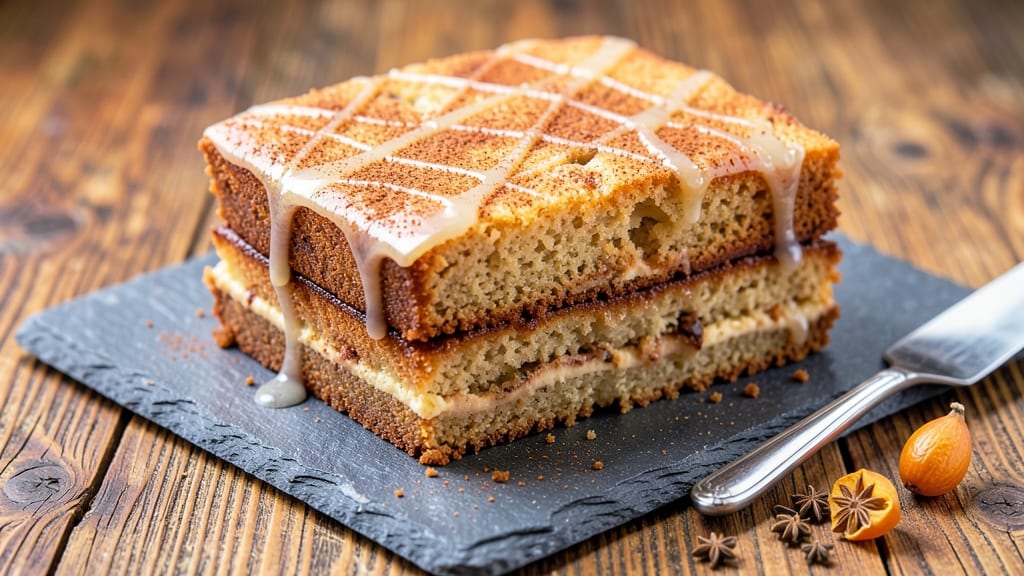
This anise pound cake delivers layers of moist, spiced richness with a subtle licorice depth that lingers like a warm hug. 💛 The secret to its signature texture lies in the perfect balance of butter, sugar, and anise extract—creating a tender crumb that resists dryness even after hours.
I developed this recipe after years of experimenting with pound cake formulas, and the difference is undeniable: no more crumbly edges or dense centers.
The cake's magic begins with a foolproof creaming method that incorporates air into the batter, ensuring a light yet sturdy structure. Anise extract, not whole seeds, provides that signature flavor without bitterness, while warm spices like cinnamon and nutmeg add complexity.
The result? A cake that stays moist for days, perfect for slicing into generous portions without falling apart.
What you'll achieve is a golden-brown pound cake with a delicate crumb and layers of buttery richness. The anise flavor shines through without overpowering, making it ideal for afternoon tea or coffee pairings.
A light dusting of powdered sugar adds elegance, while a drizzle of honey or caramel sauce elevates it to dessert-worthy status.
This recipe adapts effortlessly to dietary needs—swap butter for oil for a lighter version, or add a touch of lemon zest for brightness. Whether you're baking for a special occasion or simply craving something comforting, this pound cake delivers professional-quality results with minimal fuss. Let's get started!
Ingredients for anise pound cake
Twelve ingredients create this tender, anise-kissed pound cake with layers of moist perfection.
| Ingredient | Amount | Notes |
|---|---|---|
| Unsalted Butter 🧈 | 1 cup | Room temperature, full-fat preferred |
| Granulated Sugar 🍚 | 2 cups | Superfine preferred for smooth texture |
| Anise Extract 🌿 | 1 tbsp | Pure, not whole anise seeds |
| Large Eggs 🥚 | 4 whole | Room temperature for even mixing |
| All-Purpose Flour 🌾 | 2 cups | Sifted for light batter |
| Cinnamon 🌶️ | 1 tsp | Ground, for warm spice depth |
| Ground Nutmeg 🌶️ | ½ tsp | Freshly grated preferred |
| Salt 🧂 | ½ tsp | Fine sea salt preferred |
| Powdered Sugar 🍚 | ½ cup | For dusting and finishing |
| Vanilla Extract 🌸 | 1 tsp | Pure vanilla for aroma |
| Milk 🥛 | ½ cup | Whole milk for richness |
| Honey 🍯 | 2 tbsp | For optional drizzle |
The butter and sugar are non-negotiable here—European-style unsalted butter like Plugrá or Kerrygold gives the best flavor, but any good brand works. Superfine sugar dissolves more easily, but if you only have regular granulated, pulse it in a food processor for a few seconds. Anise extract is key: McCormick or Frontier brands are reliable, but avoid anise seeds—they'll make your cake bitter. The eggs should be room temperature for perfect emulsification, and Whole Foods or Trader Joe's usually have them pre-warmed in the dairy section.
No anise extract? Fennel seeds steeped in warm water (1 tsp seeds per 2 tbsp water, strained) works in a pinch, though the flavor won't be identical. Swap whole milk for heavy cream if you want extra richness, or use almond milk for a lighter version. For the spices, Penzeys or Burlap & Barrel sell high-quality ground cinnamon and nutmeg—worth the splurge if you bake often. The honey can be any variety, but raw clover honey adds subtle floral notes that pair beautifully with the anise. If you're avoiding refined sugar, coconut sugar works 1:1, though it has a slightly caramelized taste.
This cake stays moist for 5-6 days when wrapped tightly in plastic at room temperature, or up to 1 week in the fridge. For longer storage, freeze slices wrapped individually—they thaw in 10 minutes at room temperature. I always make a double batch: one for immediate serving, another for freezing. The powdered sugar dusting keeps best in an airtight container for 3 months, so buy it in bulk if you plan to bake often. Leftovers reheat beautifully in a 200°F oven for 5 minutes to restore freshness.
Why You'll Love This Recipe
- Pantry-Friendly Magic: I swear by this recipe when I forget to buy specialty ingredients—just butter, sugar, eggs, and flour, plus a splash of anise extract. That’s it. No fancy substitutions, no last-minute grocery runs.
- Warm Licorice Hug: The anise extract gives it this cozy, slightly sweet spice note—like a cross between vanilla and black licorice. Honestly, it’s the kind of flavor that makes you want to bake it twice in one week.
- Breakfast or Dessert: Slice it thin for a buttery toast topping with jam, or serve it as-is with tea. I’ve even used leftover pieces in French toast—crispy edges, creamy middle, every time.
- No-Waste Winner: This cake keeps beautifully for days, and the slices stay moist. Between us, I’ve had it cold, warm, and even reheated—it’s my go-to for when I need something effortless but impressive.
Step-by-step instructions for anise pound cake
Here's the method for a perfectly moist, spiced pound cake with that signature anise depth.
👨🍳 Step 1: Cream Butter and Sugars Thoroughly
In a stand mixer fitted with the paddle attachment, beat the 1 cup unsalted butter and 2 cups granulated sugar on medium speed for 5-7 minutes. You're looking for a light, fluffy texture that nearly doubles in volume and becomes pale yellow. This creaming process incorporates air, which creates that tender crumb we want in pound cake.
Here's the thing—don't rush this step. I've found that skipping proper creaming leads to a dense cake. Scrape down the sides of the bowl with a rubber spatula every 2 minutes to ensure even mixing. The mixture should look like ribbons when you lift the paddle, with no visible streaks of butter.
👨🍳 Step 2: Add Eggs and Extracts Gradually
Add the 4 whole large eggs, 1 tablespoon anise extract, and 1 teaspoon vanilla extract one at a time, mixing on low speed after each addition until fully incorporated. The anise extract has a strong flavor, so we're adding it gradually to prevent overpowering the batter. Mix just until combined—overmixing develops gluten and makes the cake tough.
I like to press down on the batter with my spatula after adding the eggs to ensure they're fully emulsified. The batter should be thick and smooth at this stage. If you notice any curdling, don't worry—it will smooth out when we add the dry ingredients. The anise extract will give that distinctive licorice note that makes this cake special.
👨🍳 Step 3: Combine Dry Ingredients and Milk
In a separate bowl, whisk together the 2 cups all-purpose flour, 1 teaspoon cinnamon, ½ teaspoon ground nutmeg, and ½ teaspoon salt. Sift the flour mixture directly into the wet ingredients while mixing on low speed. Add the ½ cup milk and mix just until combined—again, we're aiming for minimal mixing to maintain that tender texture.
The reason we sift the flour is to prevent lumps and ensure even distribution of the spices throughout the batter. You'll see a few flour streaks remain, which is perfect. Overmixing at this stage will develop gluten and make the cake dense. The spices will infuse the batter with warm, aromatic notes that complement the anise beautifully.
🥘 Step 4: Prepare the Cake Pans and Bake
Preheat your oven to 350°F. Grease two 9-inch round cake pans with butter and line the bottoms with parchment paper. Divide the batter evenly between the prepared pans. Here's a pro tip: I like to use a kitchen scale to ensure even distribution—this prevents one cake from being denser than the other.
Bake for 50-60 minutes or until a toothpick inserted in the center comes out clean. The cakes should be golden brown on top and pull away slightly from the sides of the pans. If the tops brown too quickly, tent the pans with foil to prevent overbrowning while ensuring the centers cook through. The cake should be moist but not gummy when done.
⏰ Step 5: Cool and Finish
Remove the cakes from the oven and let them cool in the pans for 10 minutes. Then transfer them to a wire rack to cool completely. Once cooled, dust the tops generously with the ½ cup powdered sugar and drizzle with the 2 tablespoons honey for a beautiful finish. This step adds a delicate sweetness that balances the anise flavor perfectly.
For the best results, let the cakes cool completely before slicing. The anise flavor will develop more as the cake sits, giving you that complex, licorice-kissed depth in every bite. Store any leftovers in an airtight container at room temperature for up to 3 days or in the refrigerator for up to 1 week.
Pro Tips For Making Anise Pound Cake
- CREAM THE BUTTER SLOWLY: I used to dump the sugar and eggs in all at once, but this cake’s texture suffers when the butter gets shocked. Mix the butter and sugar on medium speed for 3-4 minutes until it’s pale and fluffy—almost like pale whipped cream. The air you’re incorporating here is what keeps the cake tender, not dense. (And yes, even if you’re impatient like me.)
- CHILL THE BATTER 10 MINUTES: Anise extract is potent, and if you bake this batter straight from the mixer, the alcohol in it can evaporate too fast, leaving a weird, almost medicinal aftertaste. Let the batter sit in the bowl for 10 minutes before pouring. It also gives the flour time to hydrate properly, so you won’t end up with a crumbly cake.
- DON’T OVERMIX THE FLOUR: Once you fold in the flour, stop mixing the second everything’s just combined. Overworking it develops gluten, and this cake should be light, not chewy. Use a spatula to gently fold—think "just until no dry streaks remain." I learned this the hard way when my first batch turned out like a dense loaf instead of the tender pound cake I wanted.
- USE ROOM-TEMP EGG WHITES: Cold egg whites can curdle when mixed with warm butter, and that’s a fast track to a lumpy batter. Take the whites out of the fridge 30 minutes before you start, or even better, let them sit in warm water for 5 minutes. Smooth batter = even rise, and that’s non-negotiable for this recipe. (Trust me, you’ll notice the difference.)
Storing and reheating this anise pound cake
Room Temperature Storage
This cake stays wonderfully moist at room temperature for 5-6 days when properly wrapped. I recommend using plastic wrap directly on the cake, then placing it in an airtight container to lock in freshness.
The anise flavor actually deepens over time, making it perfect for slicing and serving throughout the week. Just let slices sit at room temperature for 5 minutes before serving to restore optimal texture. 💛
Refrigerator Refresh
For longer storage, refrigerate the cake in an airtight container for up to 1 week. The cold temperature helps preserve moisture, but the cake may dry out slightly. To revive, wrap slices in a damp paper towel and warm in a 200°F oven for 5-7 minutes.
This gentle reheating restores the cake's tender crumb without overcooking it. I often do this for afternoon tea—it's a game-changer for stale cake!
Freezer-Friendly Slices
Individual slices freeze beautifully for up to 3 months without texture loss. Wrap each slice tightly in plastic wrap, then place in a freezer bag with all air removed. When ready to serve, thaw at room temperature for 10-15 minutes—no microwave needed!
The cold temperature actually helps preserve the anise's delicate flavor. I always make extra slices to keep on hand for spontaneous dessert cravings. ✨
Powdered Sugar Storage
The leftover ½ cup powdered sugar deserves special care. Store it in an airtight container away from moisture and light to prevent clumping. This sugar stays fresh for 3 months and is perfect for dusting future batches.
I keep mine in a small amber glass jar on my baking shelf—it keeps the sugar fresh and makes dusting effortless. The honey can also be stored this way, though it lasts indefinitely when refrigerated.
Reheating Techniques
For cake that's lost its room-temperature freshness, I recommend two methods: oven warming or microwave bursts. For the oven, wrap the cake in aluminum foil and warm at 300°F for 8-10 minutes. The foil prevents overbrowning while gently restoring moisture.
For quick fixes, microwave 10-second intervals on medium power until warmed through—just 20-30 seconds total. The key is to avoid drying out the cake's delicate crumb. 🔥
Nutrition facts
Frequently asked questions
Can I substitute anise extract with whole anise seeds?
While you can use whole anise seeds, the flavor will be much stronger and more bitter than the extract. For every 1 tablespoon of anise extract, use 1 teaspoon of crushed anise seeds steeped in 2 tablespoons of warm water for 10 minutes, then strain before adding to the batter. The extract provides a smoother, more balanced flavor that won't overpower the cake.
Why does my pound cake turn out dense instead of moist? Dense pound cake usually results from overmixing the batter or not creaming the butter and sugar properly.
How can I make this cake gluten-free?
Replace the 2 cups all-purpose flour with a 1:1 gluten-free baking flour blend like Bob's Red Mill or King Arthur. Add ½ teaspoon xanthan gum to help bind the cake. You may also need to reduce the milk by 1 tablespoon since gluten-free flours absorb more liquid. Test the batter consistency—it should be slightly thicker than traditional pound cake batter.
What's the best way to serve this anise pound cake?
This cake pairs beautifully with hot black tea or espresso—the anise flavor complements both drinks perfectly. For a festive touch, dust with powdered sugar and drizzle with honey or caramel sauce. It also works well as a breakfast cake with a dollop of whipped cream or as a dessert with fresh berries. The warm spices make it especially cozy during fall and winter.
Can I bake this in a single 9x13-inch pan instead of two 9-inch rounds?
Yes, but you'll need to adjust the baking time and temperature. Grease a 9x13-inch pan and bake at 325°F for 45-50 minutes instead of 350°F. The lower temperature prevents overbrowning while ensuring even cooking. The cake will be slightly thicker but still moist. Let it cool completely before slicing to maintain the perfect texture.