
Desserts
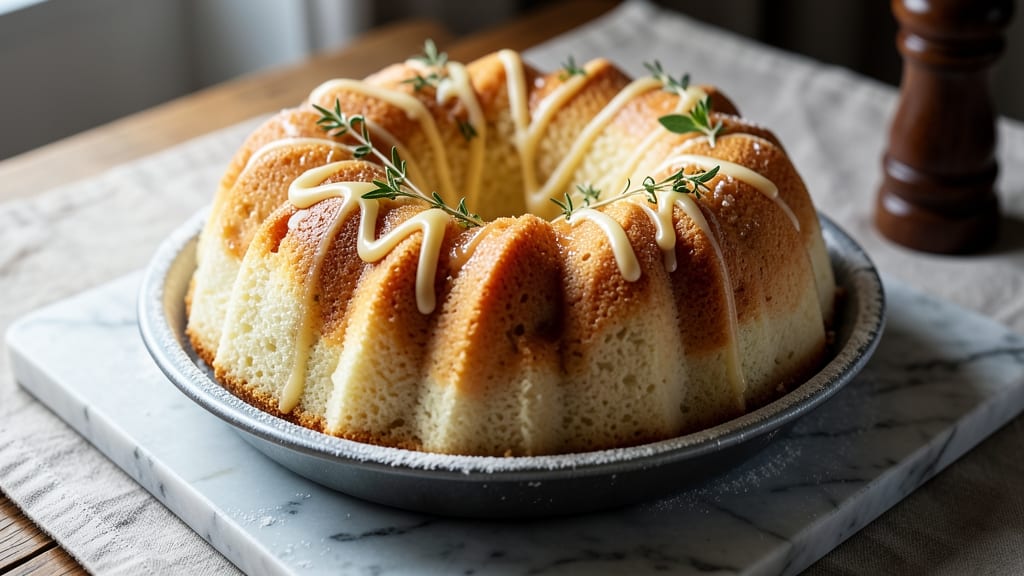
This angel food cake bundt pan recipe delivers the signature light-as-air texture you crave, elevated by vanilla's delicate sweetness and the bundt pan's elegant shape. The secret lies in properly folded egg whites and precise baking—no heavy butter or oil means every bite stays ethereal.
I've perfected this method after years of trial and error, ensuring your cake rises high with just the right crispness at the edges.
The bundt pan transforms this classic cake into a showstopper dessert with its intricate ridges and fluted sides, perfect for special occasions or when you want to impress. Unlike traditional tube pans, the bundt's design allows for even baking and a stunning presentation that's almost too pretty to cut.
The vanilla infusion adds depth without overpowering the cake's natural sweetness, creating a harmonious balance.
What makes this recipe truly special is the foolproof technique for achieving that signature cloud-like texture—whipped egg whites folded just until they're glossy, not overmixed, and baked at the perfect temperature.
The result is a cake that's light enough to melt in your mouth yet sturdy enough to hold its shape when sliced. Each bite delivers that signature airy crumb with subtle vanilla notes.
Serve it fresh with a dusting of powdered sugar, a drizzle of fruit compote, or a light vanilla glaze for an extra touch of elegance. This cake also freezes beautifully, making it ideal for ahead-of-time prep.
Whether you're baking for a celebration or simply craving a classic dessert, this recipe delivers restaurant-quality results at home.
Ingredients for angel food cake bundt pan
Nine essential ingredients transform into an ethereal bundt cake with crisp edges and cloud-like crumb.
| Ingredient | Amount | Notes |
|---|---|---|
| Large Egg Whites 🥚 | 12 whole | Room temperature, no yolks |
| Granulated Sugar 🍚 | 1 ½ cups | Superfine preferred for even dissolving |
| Vanilla Extract 🌿 | 2 tbsp | Pure, high-quality vanilla |
| Unsalted Butter 🧈 | ¼ cup | Softened, for pan greasing |
| All-Purpose Flour 🌾 | 1 ½ tbsp | Sifted, for dusting |
| Cream of Tartar 🧂 | ¼ tsp | Stabilizes egg whites |
| Salt 🧂 | ¼ tsp | Fine sea salt |
| Powdered Sugar 🍚 | ½ cup | For dusting finished cake |
| Bundt Pan 🍰 | 1 whole | Nonstick, 10-12 cups |
The egg whites are non-negotiable—room temperature is critical for volume. Trader Joe's sells pre-separated eggs in cartons, which saves time and mess. For vanilla, McCormick Pure Vanilla delivers consistent quality without artificial aftertaste. The cream of tartar might be in the baking aisle near spices, but if you can't find it, lemon juice at half the amount works in a pinch. Superfine sugar dissolves faster, but regular granulated sugar works if you pulse it briefly in a food processor.
No cream of tartar? Lemon juice at half the amount stabilizes the egg whites just as well. For the bundt pan, nonstick is essential—grease it with softened butter and dust with flour (or cornstarch for a cleaner finish). The powdered sugar dusting should be light—just enough to catch on the ridges without weighing down the cake. If you're short on vanilla, vanilla sugar at 1 tbsp adds subtle flavor without altering texture. And for the flour, Bob's Red Mill all-purpose sifts beautifully if you're dusting the pan.
Freshly baked angel food cake is best served immediately, but it reheats beautifully wrapped in foil at 350°F for 10-15 minutes. Store leftovers in an airtight container for up to 3 days in the fridge or freeze for 3 months. The bundt pan should be cooled completely before inverting—20 minutes upside down on a wire rack ensures it holds its shape. For ahead-of-time prep, bake the cake a day ahead and store it wrapped at room temperature.
Why You'll Love This Recipe
- Here’s what sold me: this cake stays fresh for days, and the leftovers? Even better. Toast a slice with a little butter and jam for breakfast, or crumble it over ice cream for dessert. Plus, the recipe’s budget-friendly—I use half the butter of other cakes, but you’d never guess.
- No Mixer Needed: I swear by this—just whisk those egg whites until they’re glossy and stiff, then fold in the sugar like you’re tucking in a blanket. No stand mixer, no stress, and honestly? The result is fluffier than anything I’ve ever bought at the store.
- Vanilla Kiss Magic: That first bite of vanilla-soaked cake with the buttery crunch of the Bundt ridges? It’s like someone sprinkled pure joy in the batter. The sugar caramelizes just enough to give it this subtle, addictive depth—no artificial flavors, just real vanilla doing its thing.
- Show-Stopper Served: Between us, this cake looks fancy with zero effort. Slather it with whipped cream or dust it with powdered sugar, and it’s ready for brunch, birthday parties, or even a “I actually cooked today” flex. The Bundt shape means every slice has that perfect peak—no boring square cake here.
Step-by-step instructions for angel food cake in a bundt pan
This method delivers a perfectly light, airy angel food cake with a golden crust and vanilla-infused flavor.
Prepare the Bundt Pan for Baking
Generously grease the entire interior of the bundt pan with the 0.25 cup softened unsalted butter, using a pastry brush to coat every crevice. This ensures the cake won't stick, even in the intricate patterns. Then dust the pan thoroughly with the 1.5 tablespoons sifted all-purpose flour, tapping out any excess. The flour creates a barrier between the butter and the cake batter, preventing adhesion while baking.
I like to use a second brush to apply the flour evenly—this step is crucial for removing the cake cleanly after baking. If you miss any spots, the cake may tear when you invert it. Work quickly but carefully, as the flour will settle into the butter.
Whip the Egg Whites to Stiff Peaks
In a clean, grease-free mixing bowl, combine the 12 whole large egg whites, 0.25 teaspoon cream of tartar, and 0.25 teaspoon salt. The cream of tartar stabilizes the egg whites, helping them reach stiff peaks more easily. Using a stand mixer fitted with the whisk attachment, beat the mixture on medium speed until soft peaks form, then increase to high speed and continue beating until the egg whites form stiff, glossy peaks that hold their shape when the whisk is lifted.
This step is where the magic happens—the air incorporated into the egg whites creates the cake's signature light texture. You'll know they're ready when the peaks stand straight up and the mixture looks like thick, shiny meringue. Avoid overbeating, or the mixture may become grainy.
Gradually Add Sugar for Maximum Volume
With the mixer still running on high speed, gradually add the 1.5 cups granulated sugar, about 1 tablespoon at a time, allowing each addition to dissolve completely before adding the next. This slow incorporation prevents the sugar from weighing down the egg whites and collapsing their structure. After all the sugar is added, continue beating for 2-3 minutes until the mixture is thick, glossy, and holds its shape in firm peaks.
The sugar should dissolve completely—if you see any graininess, beat for another 30 seconds to ensure a smooth batter. The mixture should now be thick enough to hold its shape when you lift the whisk. This is the foundation of your cake's light, airy texture.
Fold in Vanilla Extract and Pour into Pan
Gently fold the 2 tablespoons vanilla extract into the egg white mixture using a spatula, being careful not to deflate the batter. The vanilla adds depth of flavor without altering the texture. Pour the batter immediately into the prepared bundt pan, smoothing the top with a spatula to create an even surface. Tap the pan gently on the counter to release any air bubbles trapped in the batter.
Don't worry if the batter looks too runny—it will set as it bakes. The key here is to work quickly to maintain the air incorporated in the egg whites. If you notice any bubbles on the surface, use the spatula to pop them gently before baking.
Bake Until Golden and Springy
Preheat your oven to 350°F and place the bundt pan on the middle rack. Bake for 45-50 minutes, or until the top of the cake is golden brown and a toothpick inserted into the center comes out clean. The cake should also spring back slightly when pressed gently with a finger.
Resist the urge to open the oven door during baking—this can cause the cake to collapse. If the top browns too quickly, tent the pan loosely with aluminum foil to prevent over-browning while allowing the cake to finish baking evenly. The cake is done when it pulls away from the sides of the pan and has a slightly domed shape.
Cool and Invert for Perfect Results
Remove the cake from the oven and let it cool in the pan for 10 minutes. Then invert the cake onto a wire rack or serving plate. Gently tap the pan to release the cake, then run a thin knife around the edges to loosen it if needed. Let the cake cool completely before dusting with the 0.5 cup powdered sugar for a classic finish.
The cake will look impressive with its intricate bundt pan design, and the powdered sugar adds a sweet, decorative touch. Serve slices with fresh berries or a dollop of whipped cream for a delightful dessert. The cake keeps well at room temperature for up to 3 days, stored in an airtight container.
Pro Tips For Making Angel Food Cake Bundt Pan
- Whip Whites to Stiff Peaks: Use a stand mixer with the whisk attachment—no hand-whisking here. Stop when the meringue holds a sharp peak when you lift the beaters; over-whipping turns your cake into a sad, rubbery mess. (I learned this after a cake that looked more like a sponge than a cloud.)
- Sift Flour Like Your Cake Depends on It: Sift that all-purpose flour twice—once before mixing, once after folding it in. Angel food cake relies on air, and unsifted flour is its enemy. Skip this, and you’ll end up with a dense, brick-like center. (Yes, even if you’re impatient like me.)
- Grease with Butter, Dust with Flour: Brush the Bundt pan lightly with melted butter, then dust it with flour—tap out the excess so it doesn’t pool. Too much flour, and your cake sticks like glue; too little, and it slides right out looking half-baked. (I’ve seen both disasters.)
- Bake Until Internal Temp Hits 130°F: Your oven might lie—check the cake’s internal temp with a thermometer. At 130°F, it’s done; below that, it’s still gummy. If you’re guessing by sight, you’re rolling the dice. (Trust me, the thermometer is your friend here.)
Wine and beer pairings for these flavors
Sweet Vanilla Whites
Angel food cake's delicate vanilla flavor pairs beautifully with dry Riesling from Germany or Austria. The wine's crisp acidity and subtle honey notes complement the cake's light texture without overpowering it.
I love Dr. Loosen Blue Slate Riesling—its mineral finish echoes the cake's airy crumb. Serve slightly chilled for the perfect balance of sweetness and brightness. 🍷
Fruity Contrasts
For a refreshing twist, try Moscato d'Asti—its effervescence and peach notes cut through the cake's sweetness. The Italian sparkling wine's light body won't overwhelm the dessert, making each bite feel fresh and vibrant. A 2020 Saracco Moscato d'Asti is my go-to for summer gatherings. Chill it thoroughly before serving.
Creamy Complements
If you prefer beer, a Belgian witbier like Stella Artois (yes, it counts!) or Hoegaarden works wonders. The coriander and citrus notes in these beers enhance the vanilla while adding a refreshing contrast.
For a bolder option, try a Belgian Dubbel like Westmalle Trappist—its caramel and spice notes pair surprisingly well with the cake's delicate sweetness. 🍺
Spiced Pairings
Add a warm spice twist by pairing with mulled wine during colder months. The cinnamon and clove in the wine enhance the vanilla's natural warmth. For a non-alcoholic option, sparkling apple cider like Martinelli's adds a crisp, fruity contrast that cleanses the palate between bites.
Coffee & Cake
For an after-dinner option, serve with espresso or a cortado. The bitterness of coffee grounds the cake's sweetness, creating a sophisticated flavor balance. I often recommend a dark roast like Lavazza Qualità Rossa—its rich notes complement the cake's vanilla elegance.
Nutrition facts
Frequently asked questions
Why does my angel food cake in a bundt pan sometimes collapse?
Collapse happens when air escapes from the batter. Always preheat your oven fully and avoid opening the door during baking. Also, make sure your egg whites reach stiff peaks—if they're underwhipped, the cake won't hold its shape. Another trick: tap the pan gently on the counter before baking to release trapped air bubbles.
Can I make this cake without cream of tartar?
Yes! Substitute 0.5 teaspoon lemon juice or white vinegar for the cream of tartar. These acids help stabilize the egg whites just as well. For best results, use fresh lemon juice and measure carefully—too much can make the batter too acidic.
How do I know when the cake is fully cooled before inverting?
The cake should be completely cool to the touch—about 20-30 minutes after baking. Gently press the top: if it springs back immediately, it's ready. For extra safety, run a thin knife around the edges to loosen it before inverting. Patience here prevents cracks!
What's the best way to store leftover angel food cake?
Store in an airtight container at room temperature for up to 3 days, or freeze for 3 months. Wrap slices individually in plastic wrap to prevent drying. To reheat, wrap in foil and warm at 350°F for 10-15 minutes—it'll taste almost as good as fresh!
Can I add mix-ins like fruit or nuts to this recipe?
While traditional angel food cake relies on its light texture, you can gently fold in 1 cup fresh berries or ½ cup toasted nuts after pouring the batter into the pan. Press them lightly into the surface so they don't sink. For best results, use small pieces that won't weigh down the cake.