
Desserts
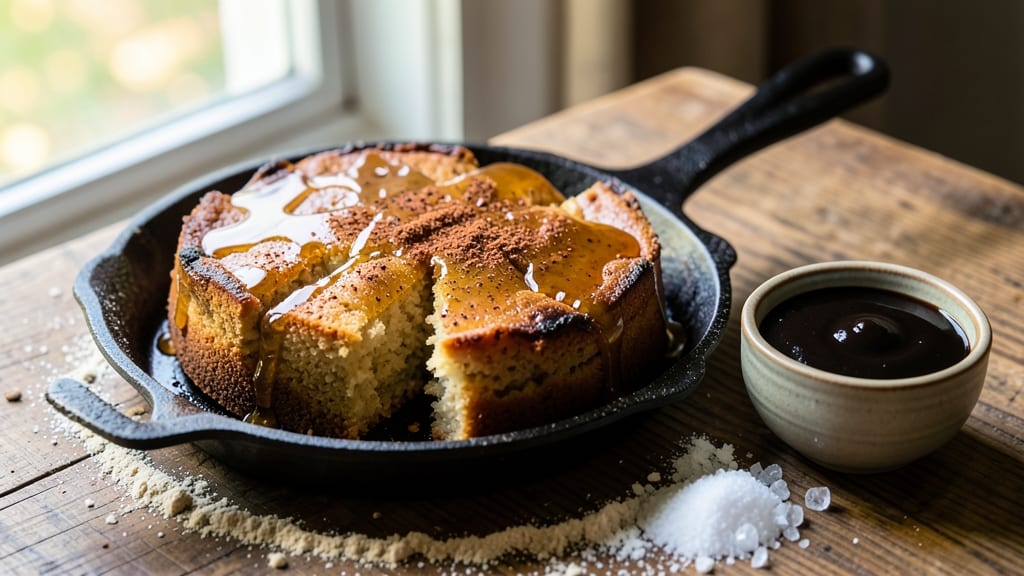
This ancient honey cake recipe transports you to a time when honey wasn’t just sweetness—it was medicine, currency, and the heart of celebrations. 🌟 The golden crust and deep molasses notes reflect centuries of tradition, where every bite carries the warmth of hearth and history.
What makes this recipe special is its simplicity: just a handful of ingredients transformed by time and heat into something extraordinary.
The secret lies in the honey—raw, unprocessed, and used generously to create a moist, tender crumb with just the right caramelized edge. Molasses adds that rich, almost spiced depth, while warm spices like cinnamon and clove whisper of ancient trade routes and royal kitchens.
This cake isn’t just dessert; it’s a piece of culinary heritage, perfect for holidays or when you crave something timeless.
Baking it requires patience—an hour in the oven at 325°F ensures even cooking and that signature golden sheen. The aroma alone will fill your home with nostalgia, and the texture? Crumbly yet dense, with a honeyed sweetness that lingers.
It’s the kind of cake that tastes like a hug from the past, and once you try it, you’ll never go back to modern shortcuts.
Pair it with a cup of spiced tea or serve it at gatherings where tradition matters. The beauty of this recipe is its versatility—it’s rich enough for celebrations but simple enough for a quiet Sunday afternoon. Let’s bring history to your kitchen, one golden slice at a time.
Ingredients for ancient honey cake
Golden honey, rich molasses, and warm spices—just 13 ingredients for a cake that tastes like history.
| Ingredient | Amount | Notes |
|---|---|---|
| Raw Honey 🍯 | 1 cup | Unprocessed, thick variety preferred |
| Molasses 🍯 | ½ cup | Unsulphured for best flavor |
| All-Purpose Flour 🌾 | 3 cups | Sifted for light texture |
| Granulated Sugar 🍚 | 1 cup | Light brown preferred |
| Baking Soda 🧂 | 1 tsp | Pure, not baking powder |
| Ground Cinnamon 🌿 | 1 ½ tsp | Freshly ground preferred |
| Ground Cloves 🌶️ | ½ tsp | Whole cloves crushed first |
| Ground Nutmeg 🌿 | ½ tsp | Freshly grated preferred |
| Salt 🧂 | ½ tsp | Fine sea salt preferred |
| Unsalted Butter 🧈 | ½ cup | Cold, cubed for texture |
| Large Eggs 🥚 | 2 whole | Room temperature |
| Vanilla Extract 🌸 | 1 tsp | Pure vanilla preferred |
| Warm Water 💧 | ½ cup | Not boiling |
The honey is everything here. Local raw honey from a farmers market adds depth you won't find in store-bought versions (look for thick, golden varieties). Molasses? Unsulphured is key—it's sweeter and less bitter. I grab mine from Whole Foods or specialty spice shops. For the spices, Penzeys has the best whole spices—grind your own cloves and nutmeg for maximum flavor. The butter should be cold when you cube it; this creates that signature crumbly texture. Don't skip the warm water for the baking soda—it activates properly for that tender crumb.
No raw honey? Substitute with maple syrup plus 1 tsp lemon juice to mimic the acidity. Out of molasses? Dark corn syrup with extra cinnamon works in a pinch. Want more spice? Add 0.25 tsp ground cardamom. For the vanilla, imitation won't cut it—real vanilla extract is non-negotiable here. The eggs can be swapped for 2 flax eggs (2 tbsp ground flaxseed + 6 tbsp water) if you're making this vegan (though it won't be exactly the same). And if you're short on butter, coconut oil works 1:1—just don't expect the same rich flavor.
This cake keeps beautifully for 5-7 days in an airtight container at room temperature, though it's best within 3 days. For longer storage, wrap tightly and freeze for up to 3 months. I like to slice it thin and freeze individual portions—just thaw at room temperature for 20 minutes before serving. The aroma alone will have your whole house smelling like a medieval bakery. Leftovers? Perfect for French toast or cake pops. And if you make extra, trust me, it won't last long.
Why You'll Love This Recipe
- No Mixer Needed: I swear by this recipe when my mixer’s on the fritz—just stir molasses and honey together until it’s smooth, then fold in dry ingredients. The dough’s thick but forgiving, and you’ll never miss electric help.
- Molasses-Honey Magic: That deep, caramelized molasses with raw honey’s floral bite? It’s like a warm hug in cake form. Honestly, the first time I tasted it, I immediately doubled the batch—no regrets.
- Breakfast or Dessert: Slice it thin for toast with butter, or serve it warm with tea. My kids grab it for school lunches, and I sneak pieces when I’m pretending to “supervise” their homework. (Yes, even on a Tuesday night.)
- Pantry Staple Power: Five ingredients, all of which I already have. The baking soda keeps it light, and the sugar caramelizes just enough to make it taste fancy without fancy ingredients. Budget-friendly? Absolutely. Worth it? Always.
Step-by-step instructions for ancient honey cake
Let's create this rich, spiced honey cake with layers of molasses depth and golden caramelized edges.
👨🍳 Step 1: Prepare the Wet Ingredients
In a medium bowl, combine the 1 cup raw honey and 0.5 cup molasses. Stir until fully blended—the molasses will thicken the honey slightly, creating that signature deep flavor. In a separate small bowl, whisk together the 2 whole large eggs and 1 tsp vanilla extract until smooth and frothy. This step ensures the eggs incorporate air for a lighter texture.
I like to use room-temperature eggs here—they blend more smoothly and create a more tender crumb. If your eggs are cold, let them sit at room temperature for about 15 minutes before using. The warm water (0.5 cup) should be just warm to the touch, not hot, to prevent cooking the eggs when mixed.
👨🍳 Step 2: Mix Dry Ingredients and Combine
In a large mixing bowl, sift together the 3 cups all-purpose flour, 1 cup granulated sugar, 1 tsp baking soda, 1.5 tsp ground cinnamon, 0.5 tsp ground cloves, 0.5 tsp ground nutmeg, and 0.5 tsp salt. Use a whisk to break up any flour lumps—this ensures even distribution of those warm spices throughout the batter.
Make a well in the center of the dry ingredients and pour in the honey-molasses mixture and the egg mixture. Using a spatula, gently fold everything together until just combined—you should still see some dry flour streaks. Overmixing develops gluten, which can make the cake dense. The batter will be thick and sticky, almost like cookie dough.
🍳 Step 3: Cut in the Butter
Add the 0.5 cup cold unsalted butter, cut into small cubes, to the batter. Using a pastry cutter or your fingers, work the butter into the batter until it's evenly distributed and the mixture resembles coarse crumbs. The butter should be cold enough to hold its shape but soft enough to cut in easily—this creates pockets of fat that will create a tender, moist crumb.
This is where the cake gets its rich, almost cake-like texture. If the butter melts completely, the cake will be more like a dense brownie. The warm water (0.5 cup) should be added now, a little at a time, until the batter reaches a soft dough consistency that holds together when pressed.
🔥 Step 4: Bake to Golden Perfection
Preheat your oven to 350°F and grease a 9-inch round cake pan or line it with parchment paper. Press the batter firmly into the prepared pan, creating an even surface. The batter will be quite thick, so use a spatula to smooth it out—this ensures even baking and a level top.
Bake for 45-50 minutes until the top is golden brown and a toothpick inserted in the center comes out clean. I know it seems like a long time, but this cake needs that slow bake to develop its deep flavors and dense texture. The edges should pull away slightly from the pan, and the top should have a caramelized sheen.
⏰ Step 5: Cool and Serve
Remove the cake from the oven and let it cool in the pan for 10 minutes, then transfer it to a wire rack to cool completely. This resting period is crucial—it allows the cake to set properly and prevents it from falling apart when you try to slice it. The cake will be dense and moist, with a rich caramel aroma that fills your kitchen.
Once fully cooled, slice into wedges and serve. This cake is best enjoyed at room temperature, allowing all those warm spices to mingle with the honey and molasses. The texture should be moist but firm, with a tender crumb that almost melts in your mouth. Store leftovers in an airtight container for up to 5 days or freeze for longer storage.
Pro Tips For Making Ancient Honey Cake
- WARM THE HONEY FIRST: Cold honey thickens like syrup when mixed with flour—this cake will turn out dense and heavy. Microwave the honey for 20 seconds or warm it in a bowl over hot water until it’s pourable. Trust me, your cake will thank you with a proper crumb.
- STIR IN THE MOLASSES LAST: Molasses is bitter and volatile—adding it too early lets the flavor fade. Mix it with the honey and sugar after the dry ingredients, then fold it in just before pouring the batter. This keeps the deep, caramel notes sharp, not muted.
- DON’T OVERMIX THE BATTER: Ancient honey cakes rely on baking soda for lift, and overmixing turns them tough. Stir the wet and dry ingredients just until combined—lumps are fine, but a smooth, stiff batter means a brick, not a cake. Stop when the flour is barely visible.
- BAKE UNTIL THE CENTER SPRINGS BACK: This cake’s dense but still needs a proper test. Tap the top—it should feel firm, not jiggly, and a toothpick should come out with moist crumbs, not wet batter. Overbaking dries it out; underbaking leaves it gummy. Aim for 30–35 minutes, but check at 25.
Best sauces and condiments for this recipe
Honey-Glazed Drizzle
Elevate your ancient honey cake with a warm honey glaze made from ½ cup raw honey and 1 tsp lemon juice, simmered for 3-5 minutes until slightly thickened. Brush this over the cooled cake layers or drizzle generously before serving.
The acidity in the lemon juice brightens the honey’s sweetness, creating a glossy finish that mimics medieval baking traditions. 🍯
Spiced Whipped Cream
Whip 1 cup heavy whipping cream with 1 tbsp powdered sugar and ½ tsp ground cinnamon until soft peaks form. Fold in 1 tsp vanilla extract for extra depth.
This light, aromatic topping balances the cake’s density while echoing the warm spices in the recipe. Serve in small bowls for guests to dollop as desired.
Molasses Caramel Sauce
Heat ½ cup molasses with 2 tbsp butter and 1 tbsp heavy cream in a saucepan over low heat for 8-10 minutes, stirring constantly until thickened. Let cool slightly before drizzling over cake slices.
This sauce enhances the molasses notes in the cake, creating a cohesive flavor experience reminiscent of ancient trade routes. 🌶️
Citrus Zest Garnish
Zest 1 lemon or orange (about 1 tbsp zest) and sprinkle lightly over the cake before serving. The citrus zest adds a refreshing contrast to the rich honey and molasses, cutting through the sweetness while adding a pop of color.
This garnish also nods to the historical practice of using citrus to preserve and enhance flavors in baked goods.
Vanilla Bean Ice Cream
Pair your cake with homemade vanilla bean ice cream for a luxurious touch. Look for high-quality vanilla ice cream with visible flecks of vanilla bean—brands like Ben & Jerry’s or Häagen-Dazs offer excellent options.
The creamy, cool contrast to the warm, spiced cake creates a sensory experience that feels both nostalgic and indulgent.
Herbal Tea Pairings
Serve your honey cake with chamomile or spiced chai tea** to complement its warm flavors. The floral notes of chamomile pair beautifully with the honey, while chai’s cinnamon and cardamom echo the cake’s spices.
Brew a strong cup and let it steep for 5-7 minutes—the warmth of the tea enhances the cake’s comforting qualities. ☕
Nutrition facts
Frequently asked questions
Why does this honey cake need warm water?
The warm water activates the baking soda properly, creating the perfect lift and tender crumb. Cold water would leave the baking soda dormant, resulting in a dense cake. It also helps balance the thick honey and molasses for a smoother batter. Think of it as the secret to that perfect medieval texture!
Can I make this cake without molasses?
Yes! Substitute 0.5 cup dark corn syrup plus an extra 0.25 tsp cinnamon for the molasses. The corn syrup mimics the deep sweetness, though you'll lose some of the molasses' signature complexity. For a closer match, try date syrup instead. The cake will still be delicious but with a slightly different flavor profile.
How do I know when the cake is fully baked?
Look for a golden brown top with edges pulling slightly from the pan. Insert a toothpick into the center—it should come out clean or with just a few moist crumbs (not wet batter). The cake needs that full 45-50 minutes at 350°F to develop its rich flavors and proper texture. Patience here makes all the difference!
Why does this recipe call for raw honey?
Raw honey adds the authentic depth and complex flavors found in ancient recipes. Processed honey lacks the floral notes and subtle bitterness that make this cake taste truly historical. Look for thick, golden varieties from local beekeepers—they'll give you that rich, almost caramel-like quality. It's worth seeking out for the best results!
Can I bake this cake in a different pan size?
Yes, but adjust the baking time. For a 8-inch pan, bake 35-40 minutes (covers more surface area). For a 10-inch pan, bake 50-55 minutes205°F internally. Use an oven thermometer to ensure accurate temperature.