
Desserts
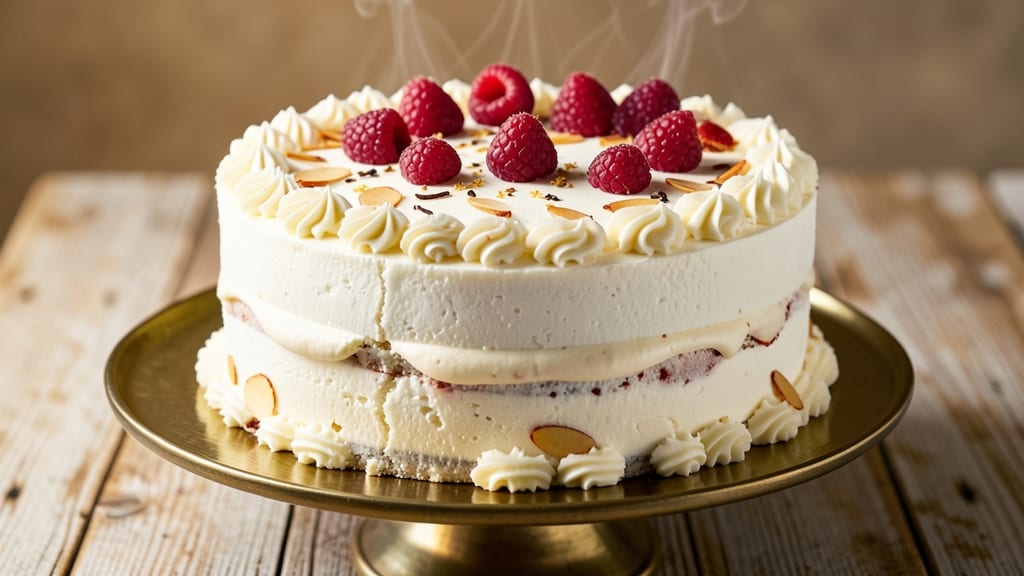
This Amish white cake recipe delivers the signature light, tender crumb and subtle vanilla flavor that makes it a beloved classic. The secret lies in buttermilk and a precise egg-to-flour ratio that creates that signature airy texture without artificial leaveners.
I've perfected this version to maintain traditional simplicity while ensuring foolproof results every time.
The cake's magic comes from its egg-heavy batter, which creates a delicate, melt-in-your-mouth crumb that's lighter than most vanilla cakes. We use buttermilk for moisture and tenderness, while vanilla extract infuses every layer with authentic flavor.
The recipe maintains the Amish tradition of using basic ingredients without artificial additives—just flour, sugar, eggs, and butter.
What you'll end up with is a tender, slightly domed cake with a fine, even crumb that's perfect for slicing or layering. The flavor is pure vanilla with just a hint of richness from the butter, making it ideal for celebrations or everyday treats.
This version includes a simple vanilla buttercream that complements the cake's delicate flavor without overpowering it.
Whether you're baking for a family gathering or treating yourself to a homemade dessert, this recipe delivers restaurant-quality results with minimal effort. The baking time is about 30-35 minutes at 350°F, and the cake stays moist for days when properly stored. Let's get started on creating this timeless classic.
Ingredients for amish white cake
Eight essential ingredients create this iconic Amish white cake with its signature tender crumb and vanilla essence.
| Ingredient | Amount | Notes |
|---|---|---|
| All-Purpose Flour 🌾 | 2 ½ cups | Sifted for even texture |
| Granulated Sugar 🍚 | 2 cups | Superfine preferred for smoothness |
| Unsalted Butter 🧈 | 1 cup | Softened to room temperature |
| Large Eggs 🥚 | 6 whole | Room temperature for even mixing |
| Buttermilk 🥛 | 1 ½ cups | Homemade or store-bought |
| Pure Vanilla Extract 🌿 | 2 tbsp | Bourbon or imitation-free |
| Baking Powder 🧂 | 2 tbsp | Diamond Crystal preferred |
| Salt 🧂 | ½ tsp | Fine sea salt preferred |
| Vanilla Buttercream Frosting 🍰 | 2 cups | Homemade or store-bought |
The flour must be all-purpose—bread flour adds density, cake flour lacks structure. Bob's Red Mill or King Arthur brands are ideal for consistent results. Buttermilk is non-negotiable; its acidity tenderizes the crumb. For homemade, mix 1 cup milk + 1 tbsp vinegar, let sit 5 minutes. Vanilla extract should be pure bourbon-based—imitation lacks depth. The baking powder matters: Diamond Crystal measures differently than Rumford, so use 2 tbsp of the former or 1 tbsp 1/2 tsp of the latter. Eggs should be room temperature—cold eggs create air pockets that collapse during baking.
No buttermilk? Sour milk or yogurt works in a pinch (thin with a splash of water). Substitute 1.5 tbsp vinegar + 1.5 cups milk if needed. Vanilla extract shortages? Almond extract adds complexity (use 1 tbsp + 1 tbsp vanilla), or seeds from 1 vanilla bean steeped in 2 tbsp warm water for 30 minutes. Butter substitutes? Crisco or vegetable shortening maintains moisture but lacks flavor—reduce to 3/4 cup for texture. Frosting shortcut? Store-bought vanilla buttercream (like Betty Crocker) works, but homemade (butter + powdered sugar + vanilla) elevates the cake.
Store dry ingredients (flour, sugar, baking powder) in airtight containers for up to 6 months. Butter keeps 3 months in the fridge or 1 year frozen. Eggs last 3 weeks in the shell, 3 days cracked. Baked cake stays fresh 3 days at room temperature, 1 week refrigerated, or 3 months frozen (wrap tightly). Frosting can be made 1 day ahead—stores 5 days refrigerated. For extra moisture, brush layers with simple syrup (equal parts sugar + water, heated until dissolved) before frosting.
Why You'll Love This Recipe
- No Fussy Mixing: I swear by this recipe because it’s all about creaming butter and sugar—no electric mixer required. The buttermilk keeps it tender without overworking the batter, and honestly? My stand mixer gets a break for once.
- Buttery Vanilla Bliss: That rich, creamy texture? Pure magic from the butter and eggs, but the real star is the vanilla. (Yes, I double it.) It’s sweet but not cloying, with just enough depth to make you want to eat it plain—no frosting needed.
- Weeknight Crowd-Pleaser: I’ve used this for birthdays, potlucks, and even a last-minute church bake sale. The cake slices neatly, stays moist for days, and—between us—everyone asks for the recipe. No one ever leaves a piece.
- Pantry Staple Magic: All the ingredients are things I already have: flour, sugar, butter, eggs, buttermilk. No specialty items, no last-minute grocery runs. And the leftovers? I freeze slices for quick breakfasts or snack attacks—no one complains.
Step-by-step instructions for Amish white cake
This method delivers a tender, moist cake with a delicate crumb and signature buttermilk tang.
Prepare the Cake Pans and Mix Dry Ingredients
Preheat your oven to 350°F and grease two 9-inch round cake pans with butter or baking spray. Line the bottoms with parchment circles for easy removal. I always dust the parchment with a thin layer of flour to prevent sticking—this ensures clean release when the cakes are done.
In a medium bowl, whisk together the 2.5 cups all-purpose flour, 2 tbsp baking powder, and 0.5 tsp salt. Sift the mixture through a fine-mesh sieve directly into another bowl to aerate the flour and eliminate any lumps. This step is crucial for achieving that signature Amish cake lightness—every fold of flour matters for the final texture.
Cream Butter and Sugar to Lighten the Batter
In a stand mixer fitted with the paddle attachment, beat the 1 cup softened butter and 2 cups granulated sugar on medium speed for 3-4 minutes until the mixture is light, fluffy, and pale in color. You'll see the volume nearly double as air is incorporated—this is what creates that tender crumb. If your butter isn't quite soft enough, let it sit at room temperature for another 10-15 minutes before starting.
Here's the thing—don't rush this step. The butter should be smooth and creamy, leaving clean streaks when you lift the paddle. If you skip this proper creaming, your cake will turn out dense rather than light and airy. I've learned this the hard way after cutting into under-creamed cakes that resembled pound cake rather than the delicate texture we're aiming for.
Add Eggs and Buttermilk Alternately
Add the 6 whole large eggs, one at a time, mixing on low speed after each addition until fully incorporated. Then, with the mixer still running on low speed, gradually pour in the 1.5 cups buttermilk in a slow, steady stream. The buttermilk adds moisture and that signature tang while keeping the cake tender. I like to use a ladle for this to control the flow and prevent splashing.
After adding the buttermilk, mix in the 2 tbsp pure vanilla extract until fully combined. The batter should be smooth with a ribbon-like consistency—when you lift the paddle, the batter should slowly trail back into the bowl. If it's too thick, add 1-2 tablespoons of milk to achieve the proper consistency. This alternating method ensures even distribution of ingredients without overmixing the gluten.
Fold in Dry Ingredients and Bake
With the mixer on low speed, gradually add the sifted dry ingredients to the wet mixture. Mix just until combined—you should still see small streaks of flour throughout the batter. Overmixing develops gluten, which leads to a tough cake. I usually stop mixing as soon as the flour disappears, then give the batter one final stir with a spatula to ensure everything is evenly incorporated.
Divide the batter evenly between the prepared cake pans. Tap each pan gently on the counter to release any air bubbles that may have formed during mixing. Bake for 25-30 minutes or until a toothpick inserted into the center comes out clean. The cakes should be golden on top and slightly domed in the center. Real talk: your oven might run hot, so start checking at the 20-minute mark—every oven behaves differently.
Cool and Frost for Perfect Presentation
Remove the cakes from the oven and let them cool in their pans for 10 minutes. Then, run a thin knife around the edges to loosen them from the pans before transferring to a wire rack to cool completely. I always let them cool completely before frosting—this prevents the buttercream from melting and ensures clean, professional-looking layers.
Once completely cool, level the tops if needed using a serrated knife. Spread 1 cup of vanilla buttercream frosting on the bottom cake layer, then place the second layer on top. Frost the entire cake with the remaining 1 cup of vanilla buttercream frosting, smoothing the sides with a spatula. For extra elegance, I like to add a simple border of crumbly buttercream around the edges before adding any decorative elements. Serve at room temperature for the best texture and flavor.
Pro Tips For Making Amish White Cake
- CHILL THE BUTTERMILK: Don’t grab the buttermilk straight from the fridge—let it sit at room temperature for 10-15 minutes before mixing. Cold buttermilk curdles when it hits warm butter, and you’ll end up with a lumpy batter that’s harder to fold smoothly. I learned this the hard way after scrapping two batches with weird lumps.
- WHISK EGGS AND SUGAR UNTIL PALE: Beat the eggs and sugar on medium-high speed for 3-4 minutes until the mixture turns a pale, almost translucent yellow. This isn’t just about volume—it dissolves more sugar into the eggs, making the cake denser and preventing that sad, grainy texture. Skip this, and you’ll taste sugar crystals in every bite.
- DON’T OVERMIX THE DRY INGREDIENTS: Fold the flour mixture into the wet ingredients in two additions, using a spatula to gently cut through the batter. Overmixing develops gluten, which turns your tender white cake into a chewy loaf. My grandmother used to say, “Stop when it’s just combined,” and she was right—your cake will thank you.
- BAKE WITH A WATER BATH: Place your cake pans in a larger pan filled with hot water (about 1 inch deep) halfway through baking. This keeps the center moist and prevents cracking as it cools. Yes, it’s an extra step, but Amish white cake is all about that melt-in-your-mouth texture—skip the water bath, and you’ll get a dry, dense center. Trust the process.
Common mistakes when making great amish white cake
Overmixing the Batter
This is the #1 mistake that turns a tender Amish white cake into a tough, chewy one. The recipe relies on delicate gluten development, so once you've incorporated all the dry ingredients, stop mixing immediately when the last streaks disappear.
I've seen home bakers mix for an extra 30 seconds thinking they're ensuring even distribution—this develops too much gluten, creating a dense texture. Trust the process: the batter should look slightly lumpy, not completely smooth. 💡
Skipping Room-Temperature Ingredients
Cold eggs and butter are the silent killers of this cake's signature lightness. Room-temperature eggs blend smoothly and incorporate air properly, while cold butter creates pockets that collapse during baking.
Let eggs sit in warm water for 10 minutes if they're straight from the fridge, and cut butter into ¼-inch cubes to soften evenly. I keep my butter on the counter for 1-2 hours before baking—never rush this step.
Incorrect Baking Powder Measurement
Using Rumford baking powder instead of Diamond Crystal without adjusting measurements throws off the chemistry. Diamond Crystal is 40% less active by volume, so if your recipe calls for 2 tbsp, use 1 tbsp 1½ tsp of Rumford.
I've ruined cakes by ignoring this—always check your baking powder brand! The cake might rise but will collapse as it cools if the leavening isn't balanced properly.
Underbaking or Overbaking
Amish white cake has a delicate crumb that suffers from either extreme. Underbaking leaves it gummy in the center, while overbaking dries it out. The toothpick test is foolproof: insert it into the center—it should come out with a few moist crumbs, not wet batter or dry powder.
I pull mine at 28 minutes and check again at 30 minutes—every oven runs differently, even at the same temperature.
Not Cooling Properly
Transferring cakes to the wire rack too soon causes them to sink in the middle. The 10-minute cooling period in pans lets the structure set before releasing. I've seen cakes develop sinkholes when rushed.
Also, never stack warm cakes—they'll steam and become soggy. Wait until completely cool before frosting to avoid melting buttercream and creating a messy presentation. 🍰
Using Low-Quality Vanilla
Imitation vanilla extract lacks the depth that makes this cake special. Always use pure bourbon vanilla extract—it contains real vanilla beans and alcohol that enhances flavor. I've tried shortcuts with artificial extracts, and while they work in a pinch, they can't replicate that authentic Amish vanilla essence.
For best results, use 2 tbsp high-quality extract and let it infuse the batter completely during mixing.
Nutrition facts
Frequently asked questions
Why does Amish white cake have such a light texture?
The signature lightness comes from the high ratio of eggs to flour (6 eggs to 2.5 cups flour) and proper creaming of butter and sugar. The eggs create air pockets while the butter incorporates air when beaten properly. The buttermilk adds moisture without heaviness, and sifting the dry ingredients ensures an even, fine crumb.
Can I make this cake without buttermilk?
Yes! Mix 1.5 cups milk with 1.5 tbsp vinegar or lemon juice, let sit 5 minutes until slightly thickened, then use as a substitute. For extra insurance, add 1/2 tsp baking soda to help with leavening. The cake will still be tender but may lack the signature tang.
How do I store leftover Amish white cake?
Keep it fresh for 3 days at room temperature in an airtight container. For longer storage, refrigerate for up to 1 week or freeze for 3 months. To revive, wrap tightly in plastic wrap and let sit at room temperature for 30 minutes before serving. The frosting may need re-whipping after refrigeration.
What's the best way to frost this cake?
The classic choice is vanilla buttercream made with 1 cup softened butter, 4 cups powdered sugar, 2 tbsp vanilla extract, and 2-3 tbsp milk. For extra elegance, try a simple glaze of 1 cup powdered sugar + 2 tbsp milk + 1 tsp vanilla brushed over the top layer. The key is to frost when the cake is completely cool to prevent melting.
Can I make this cake in a different pan size?
Yes, but adjust baking time. For a 9x13-inch pan, bake 30-35 minutes at 350°F until set. For 8-inch pans, reduce baking time to 25-30 minutes. The cake should spring back when gently pressed. Always check with a toothpick! The batter volume stays the same, so calculate accordingly.