
Desserts
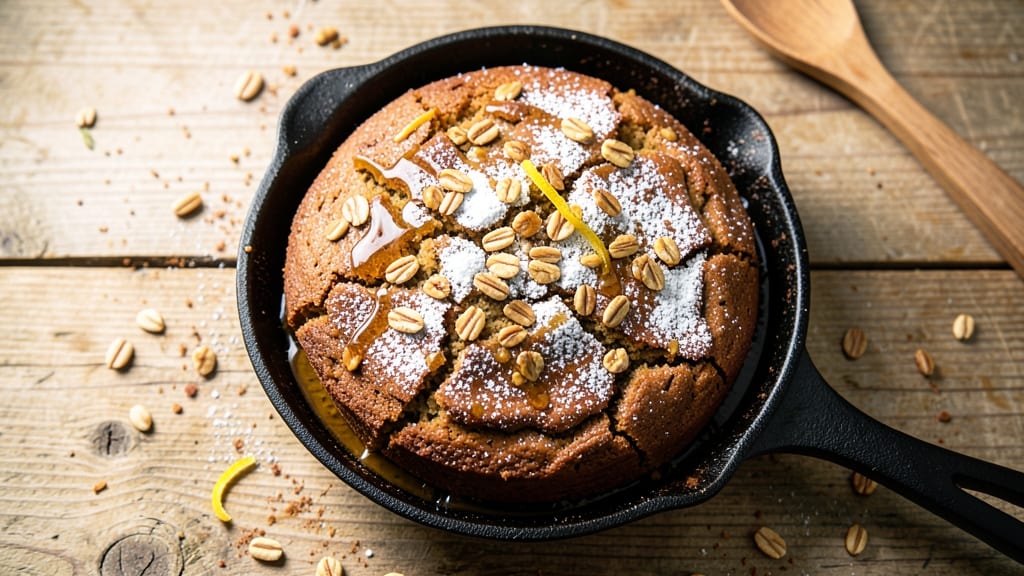
This Amish oatmeal cake recipe brings the comforting flavors of a Midwestern kitchen into your home, where a buttery crust meets tender, spiced layers in every slice. 💛 The secret lies in the perfect balance of rolled oats, warm cinnamon, and rich brown sugar—ingredients that create a cake with rustic charm and homestyle appeal.
I've baked this recipe countless times, and it never fails to deliver moist crumb and golden edges that make it irresistible.
The beauty of this recipe is its simplicity: just 10 basic ingredients that come together to create a cake that tastes like a hug from a family gathering.
The oats add a subtle nuttiness and texture that sets it apart from traditional cakes, while the cinnamon and nutmeg infuse warmth that lingers with every bite. Unlike fussy desserts, this one requires no special techniques—just mixing, baking, and patience for the layers to set.
What makes this cake truly special is how it transforms a simple box of ingredients into something extraordinary. The buttery crust on top adds a satisfying crunch, while the spiced cake beneath stays tender and flavorful.
It's the kind of dessert that feels both nostalgic and fresh, perfect for Sunday mornings, potlucks, or whenever you crave a taste of home.
Once you try this recipe, you'll understand why it's a staple in Amish and Midwestern kitchens—it's hearty, comforting, and just sweet enough to satisfy. Let's get baking!
Ingredients for amish oatmeal cake
Ten simple ingredients create a cake with rustic charm and comforting warmth in every slice.
| Ingredient | Amount | Notes |
|---|---|---|
| All-Purpose Flour 🌾 | 2 ½ cups | Sifted for light texture |
| Rolled Oats 🥣 | 1 ½ cups | Old-fashioned, not quick |
| Granulated Sugar 🍚 | 1 ¼ cups | White or light brown |
| Packed Brown Sugar 🍯 | ¾ cup | Light or dark variety |
| Unsalted Butter 🧈 | 1 cup | Cold, cubed for crust |
| Large Eggs 🥚 | 2 whole | Room temperature |
| Milk 🥛 | 1 cup | Whole for richness |
| Ground Cinnamon 🌿 | 2 tsp | Freshly ground preferred |
| Ground Nutmeg 🌿 | ½ tsp | Freshly grated |
| Baking Powder 🧂 | 2 tsp | Aluminum-free preferred |
| Salt 🧂 | ½ tsp | Fine sea salt |
| Vanilla Extract 🌸 | 1 tbsp | Pure, not imitation |
The rolled oats are the heart of this cake—Quaker Old-Fashioned works best, but any old-fashioned oats will do. For the butter, Land O'Lakes unsalted is my go-to, but any brand works as long as it's cold when you mix it into the crust. The brown sugar should be packed firmly, not scooped loosely. If you're in a pinch, Trader Joe's sells pre-packed brown sugar that saves time. For the spices, Penzeys or the bulk section at Whole Foods offer the freshest cinnamon and nutmeg—these make all the difference in that warm, spiced flavor.
No vanilla extract? Vanilla bean paste works beautifully, or even a scraped vanilla bean. Short on oats? Substitute crushed graham crackers at half the amount for a different texture. The baking powder is non-negotiable here—it's what gives this cake its tender crumb. If you're using a different brand, check the leavening power (some are double-acting). For the milk, whole milk gives the richest result, but 2% works too. The eggs should be at room temperature—cold eggs can cause the batter to curdle. If you're unsure, let them sit out for 30 minutes before using.
This cake keeps beautifully—3-4 days at room temperature wrapped in foil, or 1 week refrigerated. For best texture, slice and serve at room temperature. The crust stays crisp for the first day, then softens slightly. I like to bake two cakes at once and freeze one for later—3 months in an airtight container. If you're making ahead, bake the cake, cool it completely, then wrap tightly. The flavors only get better as it sits, making it perfect for last-minute gatherings.
Why You'll Love This Recipe
- No Mixer Needed: I swear by this—just a bowl, a fork, and your hands. The oats and butter get mashed together until it’s like thick, cozy dough, and honestly? That’s where half the magic happens. No electric mess, no fuss.
- Sweet with Depth: That combo of brown sugar and rolled oats gives it this caramelized richness you won’t find in basic cakes. It’s got a subtle nuttiness from the oats, and the butter? Oh, it’s buttery—like a hug in cake form.
- Breakfast or Dessert: Serve it warm with a pat of butter for a hearty breakfast, or dust it with powdered sugar for a dessert that doesn’t feel like cheating. My kids grab slices for lunch—yes, even on a Tuesday.
- Pantry Staple Magic: You’re already using what’s in your cupboard: flour, oats, sugar, butter. No weird ingredients, no last-minute grocery runs. And leftovers? They stay moist for days—perfect for sneaking into lunches or snack attacks.
Step-by-step instructions for Amish oatmeal cake
Here's the method for a tender, spiced cake with a buttery crust and moist texture.
🍳 Step 1: Prepare the Dry Ingredients
In a medium bowl, whisk together the 2.5 cups all-purpose flour, 2 tsp baking powder, 2 tsp ground cinnamon, 0.5 tsp ground nutmeg, and 0.5 tsp salt. Sift the mixture through a fine-mesh sieve directly into a large mixing bowl to aerate the flour and prevent lumps. This step ensures a light, tender cake rather than a dense one.
In a separate bowl, combine the 1.5 cups rolled oats with the 1.25 cups granulated sugar and 0.75 cup packed brown sugar. Mix well to evenly distribute the sugars throughout the oats. This combination creates the signature oatmeal texture and sweet-spiced flavor that makes this cake special. Set both mixtures aside.
👨🍳 Step 2: Cream Butter and Mix Wet Ingredients
In the large bowl with the sifted dry ingredients, add the 1 cup cold, cubed unsalted butter. Using a pastry cutter or your fingers, work the butter into the flour mixture until it resembles coarse crumbs with pea-sized butter pieces remaining. This cold butter method creates the signature flaky, buttery crust that Amish oatmeal cake is known for.
In a separate bowl, whisk together the 2 whole large eggs, 1 cup milk, and 1 tbsp vanilla extract until well combined. The eggs and milk should be at room temperature for even mixing. Add this wet mixture to the butter-flour mixture and stir gently until just combined. Overmixing develops gluten, which can make the cake tough.
🥘 Step 3: Combine All Ingredients
Gradually add the oat-sugar mixture to the wet ingredients, mixing just until everything is incorporated. The batter will be thick and slightly sticky—this is normal. Don't be tempted to add extra liquid; the cake's moisture comes from the butter, milk, and eggs. Fold in any remaining dry ingredients from the sides of the bowl to ensure even distribution.
Here's the thing—this batter needs to rest. Cover the bowl with plastic wrap and refrigerate for at least 30 minutes (or up to 24 hours). This chilling step allows the flour to fully hydrate and the butter to firm up slightly, which prevents excessive spreading in the oven and promotes a tender crumb.
🔥 Step 4: Bake to Golden Perfection
Preheat your oven to 350°F and grease two 9-inch round cake pans or one 9x13-inch baking dish. Divide the batter evenly between the prepared pans. Bake for 40-45 minutes (or 35-40 minutes for the 9x13-inch pan) until a toothpick inserted in the center comes out clean and the top is golden brown.
I like to tent the pans with aluminum foil after the first 20 minutes of baking to prevent the tops from browning too quickly. The cake is done when the edges pull away slightly from the pan and the center springs back when gently pressed. Let the cakes cool in their pans for 10 minutes before transferring to a wire rack to cool completely.
⏰ Step 5: Serve Warm or at Room Temperature
This cake tastes best served warm, straight from the oven, with a pat of butter melting on top. The warm butter enhances the buttery crust and complements the spiced oatmeal flavor. If you prefer, you can also serve it at room temperature—it keeps well for up to 3 days wrapped in plastic at room temperature or 1 month refrigerated.
For extra indulgence, dust with powdered sugar or serve with a dollop of whipped cream. The texture should be moist but not wet, with a tender crumb and subtle oatmeal nuttiness in every bite. The spices should be warm and inviting, not overpowering—just enough to remind you of a cozy Amish kitchen.
Pro Tips For Making Amish Oatmeal Cake
- TOAST THE OATS FIRST: I learned this the hard way—skipping this step makes the cake dense and gummy. Pulse rolled oats in a food processor for 10-15 seconds until they look like coarse sand, then toast in a dry skillet over medium heat for 3-4 minutes, stirring constantly until golden. The nutty aroma alone tells you it’s ready.
- MEASURE BROWN SUGAR RIGHT: Packed brown sugar isn’t just a suggestion—it’s the thing that matters most for moisture. Use a spoon to scoop it into the measuring cup, then level with a knife. If you scoop directly from the bag, you’ll end up with a dry, crumbly cake. (Yes, even if you’re impatient like me.)
- STOP WHEN THE CENTER SPRINGS: The cake will look underdone when the edges pull away, but resist the urge to bake longer. Press the center lightly—it should spring back slowly, not jiggle. Overbaking turns the texture into sawdust. If unsure, err on the side of underdone; it’ll set as it cools.
- SWAP OATS FOR QUICK OATS: Sounds weird, but it works: replace half the rolled oats with quick oats for a tender crumb. The steel-cut texture of rolled oats can make the cake tough if overmixed, and quick oats blend in without sacrificing that oatmeal flavor. (Your future self will thank you.)
Flavor customization for these flavors
Classic Spice Boost
Double the cinnamon to 4 tsp for a stronger spiced flavor, or add ½ tsp ground cloves for warmth. I love using McCormick Gourmet Cinnamon for its rich aroma. For a subtle kick, add ¼ tsp cayenne pepper—it enhances the nutmeg without overpowering. 🌿
Nutty Additions
Fold in ½ cup chopped walnuts or pecans with the oats for extra crunch. Toast the nuts in a dry pan for 3-4 minutes until fragrant before adding. For a sweeter twist, swap ½ cup oats for ½ cup crushed gingersnaps—they add a molasses-like depth.
Fruit Variations
Fold in 1 cup diced apples or pears (tossed in 1 tsp lemon juice) for freshness. For a baked fruit option, add ½ cup dried cherries or raisins soaked in 2 tbsp warm water for 10 minutes before mixing. The fruit caramelizes beautifully during baking.
Moisture Enhancers
Replace ¼ cup milk with ¼ cup sour cream or Greek yogurt for a denser, richer crumb. For extra moisture, add ¼ cup applesauce—it keeps the cake tender without altering the flavor. I prefer Stonyfield Farm plain yogurt for its neutral taste.
Gluten-Free Option
Substitute 1 cup gluten-free 1:1 baking flour (like Bob's Red Mill) for the all-purpose flour. Add 1 tsp xanthan gum to improve texture. The oats are naturally gluten-free, but always check labels—some brands process in shared facilities.
Nutrition facts
Frequently asked questions
Why does this Amish oatmeal cake have a buttery crust?
The crust comes from mixing cold, cubed butter into the flour until it forms coarse crumbs. This creates pockets of butter that melt during baking, forming a golden, flaky layer on top. It's what gives this cake its signature texture—crisp on the outside, tender inside.
Can I make this cake in a bundt pan instead of round pans?
A 10-12 cup bundt pan works beautifully—just reduce the baking time to 30-35 minutes at 350°F. Grease it well and dust with flour to prevent sticking. The cake will have a stunning ring shape with the same delicious texture.
What's the secret to keeping this cake moist?
The key is the 30-minute refrigeration before baking, which hydrates the flour fully. Also, avoid overbaking—pull it when a toothpick comes out clean. For extra moisture, brush warm slices with melted butter or serve with whipped cream.
Can I substitute quick oats for old-fashioned oats?
Not recommended! Quick oats cook faster and can make the cake gummy. Stick with old-fashioned rolled oats for the perfect texture. If you're in a pinch, toast quick oats in a dry pan for 2-3 minutes first to mimic the texture slightly.
How do I store leftovers to keep them fresh?
Wrap tightly in plastic wrap or foil and store at room temperature for 3 days, or refrigerate for up to 1 week. For longer storage, freeze slices in an airtight container for 3 months. Reheat briefly in the oven or microwave to restore freshness.