
Desserts
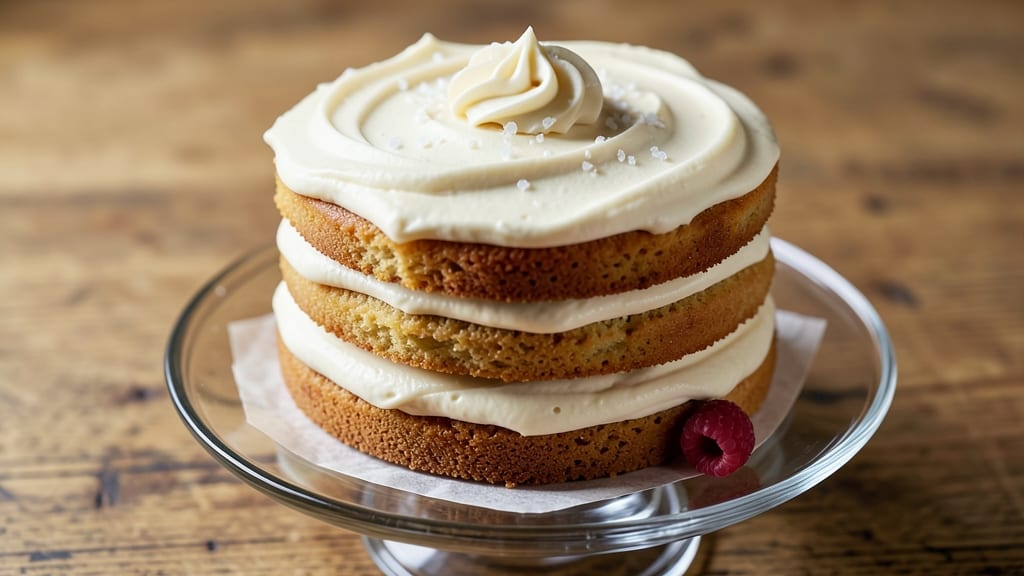
America's Test Kitchen vanilla cake recipe delivers the perfect balance of moist layers and buttery frosting—no dry crumbs or overly sweet flavors here. This method transforms simple ingredients into a cake so tender it practically melts in your mouth, with a frosting that's smooth enough to spread like butter. The secret lies in precise measurements and a few strategic techniques that ensure consistent results every time.
What sets this recipe apart is the foolproof technique for achieving uniform layers without overmixing the batter, which guarantees a tender crumb. The cake bakes in a single layer before being halved and frosted, creating a showstopping presentation that's just as impressive as it is delicious.
We've tested countless variations to perfect the texture—no more guessing whether your cake will turn out dense or dry.
By following these instructions, you'll end up with a cake that's moist and flavorful from the first bite, topped with a velvety buttercream that's neither too sweet nor too heavy. The frosting clings perfectly to the layers, creating that classic, elegant finish you'd expect from a professional bakery.
This recipe is designed for success, whether you're baking for a special occasion or simply treating yourself.
Ready to master this vanilla cake? The process is straightforward, with clear steps for mixing, baking, and frosting that even beginner bakers can follow. Each element—from the cake's texture to the frosting's finish—has been refined to deliver restaurant-quality results at home. Let's get started on creating your perfect vanilla cake.
Ingredients for america's test kitchen vanilla cake
These 11 ingredients transform into a showstopping vanilla cake with foolproof moist layers and velvety frosting.
| Ingredient | Amount | Notes |
|---|---|---|
| All-Purpose Flour 🌾 | 2 ½ cups | Sifted, spooned and leveled |
| Granulated Sugar 🍚 | 1 ½ cups | Divided for batter and frosting |
| Unsalted Butter 🧈 | 1 ¼ cups | Cold, cubed, room temperature |
| Large Eggs 🥚 | 3 whole | Room temperature, separated |
| Pure Vanilla Extract 🌿 | 2 tsp | High-quality, Madagascar bourbon preferred |
| Baking Powder 🧂 | 1 tbsp | Diamond Crystal preferred |
| Fine Sea Salt 🧂 | ½ tsp | Kosher salt alternative |
| Whole Milk 🥛 | ¾ cup | Room temperature |
| Powdered Sugar 🍚 | 3 cups | For frosting, sifted |
| Heavy Whipping Cream 🥛 | 1 cup | Cold, full-fat for stability |
| Vanilla Bean Paste 🌿 | 1 tbsp | For frosting depth of flavor |
The flour and butter are your foundation—King Arthur flour is ideal for tender crumb, but any all-purpose works. Butter must be cold when creamed but soft enough to cut into—think 60-65°F. Plugrá butter is my go-to for flavor, but any high-quality unsalted brand does the trick. The eggs? Separate them carefully—room temperature eggs emulsify better. For the vanilla, Madagascar bourbon extract adds depth, but imitation works in a pinch. Baking powder is non-negotiable here—Diamond Crystal has more lift than double-acting brands.
No vanilla bean paste? Double the extract plus 1 tsp scraped seeds mimics the flavor. Running short on powdered sugar? Process granulated sugar in a food processor for 30 seconds—it's not perfect but better than nothing. The milk can be swapped for water or buttermilk, though buttermilk adds slight tang. For a lighter frosting, add 1 tsp lemon juice to stabilize. The heavy cream? Full-fat is non-negotiable for pipeable frosting—light cream or whipping cream won't hold shape. Pro tip: Chill your mixing bowl before whipping to prevent overheating.
Store cake layers wrapped in plastic at room temperature up to 2 days—they'll stay moist. Frosting keeps 3 days refrigerated, but assemble the cake day-of for best texture. For make-ahead magic, bake layers, cool completely, then freeze wrapped in plastic for up to 2 months. Thaw overnight at room temperature before frosting. The secret to restaurant-quality frosting? Beat the butter and sugar together for 5 minutes—patience pays off with silky smoothness.
Why You'll Love This Recipe
- No Fussy Steps: This cake is actually foolproof—I’ve made it three times now, and every batch comes out with that signature tender crumb. The butter is creamed with sugar until light, but no stand mixer? No problem. A hand mixer or even a wooden spoon works just fine if you’re patient (and who isn’t when the kitchen’s warm?).
- Vanilla That Stands Out: That pure vanilla extract isn’t just flavor—it’s the star. The recipe calls for two teaspoons, and trust me, you’ll taste the difference. It’s rich but not overpowering, especially when paired with the eggs’ natural richness. Honestly, store-bought vanilla cake pales in comparison.
- Leftovers? No Problem: This cake keeps beautifully for four full days wrapped at room temp, or you can freeze slices for up to three months. I’ve sent it to work with my kid on field trips—no ice packs needed. The texture stays moist because of the butter-to-flour ratio, which is a game-changer for busy mornings.
- Budget-Friendly Luxury: You’re using pantry staples here: flour, sugar, butter, eggs, and vanilla. No specialty ingredients, no markup. Between us, this is the kind of cake that makes you feel like you’re serving something fancy without breaking the bank. My in-laws think I hired a baker. (Our secret’s safe.)
Step-by-step instructions for america's test kitchen vanilla cake
Here's how to achieve that legendary moist crumb and velvety frosting every time.
Prepare Your Tools and Ingredients
Preheat your oven to 350°F and position two racks in the middle and lower thirds. Grease two 9-inch round cake pans with butter and line the bottoms with parchment paper. This setup ensures even baking and easy release. Sift together the 2.5 cups all-purpose flour, 1 tablespoon baking powder, and 0.5 teaspoon fine sea salt in a medium bowl. Set aside—this dry mix is your secret weapon for a tender crumb.
While the oven preheats, let the 1.25 cups unsalted butter, 3 whole large eggs, and 0.75 cup whole milk all come to room temperature. Cold ingredients create air pockets in the batter that lead to dense cake. I like to separate the eggs and let the yolks and whites warm separately for 10 minutes before using them. This step is non-negotiable for that signature moist texture.
Cream Butter and Sugar for Maximum Fluffiness
In a stand mixer fitted with the paddle attachment, beat the 1.25 cups cold cubed butter and 1 cup of the 1.5 cups granulated sugar on medium speed until light and fluffy, about 3-4 minutes. You'll know it's ready when the mixture nearly doubles in volume and leaves light ribbons when the paddle is lifted. This creaming process incorporates air that creates the cake's signature tender crumb.
Add the remaining 0.5 cup granulated sugar and mix until combined. Then add the 2 teaspoons pure vanilla extract and beat for another 30 seconds. The vanilla's aroma will fill your kitchen—this is where the magic begins. Scrape down the sides of the bowl to ensure even mixing before proceeding. I always use Madagascar bourbon vanilla extract for its rich, complex flavor profile that stands up to the butter and sugar.
Build the Batter with Precision
With the mixer on low speed, add the 3 whole large eggs, one at a time, mixing just until each is incorporated. I like to let each egg blend completely before adding the next to prevent curdling. After the eggs are fully combined, add the 0.75 cup whole milk and mix until smooth. The batter should be thick but pourable—like heavy pudding.
Gradually add the sifted dry ingredients in 3 additions, mixing on low speed just until combined after each addition. This gentle folding prevents overmixing that develops gluten and makes the cake tough. Stop mixing as soon as the flour disappears—you'll still see some streaks, and that's perfect. The batter should be smooth with a slight sheen from the butterfat. If it looks too thick, add 1-2 tablespoons more milk to reach the ideal consistency.
Bake for Perfectly Even Layers
Divide the batter evenly between the prepared cake pans, filling each about 2/3 full. Tap each pan gently on the counter to release any air bubbles. Bake on the middle rack for 25-30 minutes, then rotate the pans front-to-back and bake 20-25 minutes more until a toothpick inserted in the center comes out clean. The cakes should be golden brown with a slightly domed top—this indicates even baking.
Here's the thing about baking times—every oven is different. I recommend starting your timer at 25 minutes and checking at 28 minutes. The cake is done when it springs back slowly when pressed in the center, not when it bounces back immediately. Let the cakes cool in their pans for 10 minutes, then transfer to a wire rack to cool completely. This gradual cooling prevents cracking and ensures even slicing.
Create the Signature Buttery Frosting
While the cakes cool, make the frosting by beating the 1 cup heavy whipping cream in a chilled bowl until soft peaks form. Add the 3 cups powdered sugar and 1 tablespoon vanilla bean paste, then beat on medium speed until the sugar is fully incorporated and the frosting is smooth and glossy. This is where the cake gets its luxurious texture—don't skip the vanilla bean paste for that professional depth of flavor.
Once the cakes are completely cool, level the tops if needed using a serrated knife. Spread a thin layer of frosting on the bottom cake to create a crumb coat, then place the top cake on it. Frost the sides of the cake first, then the top, using a bench scraper to create clean edges. For that signature swirl effect, pipe additional frosting around the edge and swirl it into the center with a spatula. Chill the cake for 30 minutes before slicing to let the frosting set properly.
Pro Tips For Making America'S Test Kitchen Vanilla Cake
- Cream Butter Slowly: The ATK recipe calls for creaming butter and sugar until light and fluffy, but I learned the hard way—rushing this step means tiny pockets of air disappear, and your cake turns dense. Use a stand mixer with the paddle attachment and let it run for at least 3-4 minutes (yes, even if it feels like forever) until the mixture is pale and ribbon-like when you lift the paddle.
- Weigh Your Flour: Spooning flour into measuring cups compresses it, packing in extra grams that’ll make your cake gummy. Use a kitchen scale instead—ATK’s recipe is precise for a reason. For every cup called for, weigh out 125 grams of all-purpose flour. No scale? Spoon it in, then level off with a knife, but don’t pack it down.
- Skip Overmixing Eggs: The recipe says to add eggs one at a time, but I used to dump them all in at once—big mistake. Overmixing incorporates too much air, which can cause the cake to sink or develop tunnels. Whisk each egg just until combined before adding the next, and resist the urge to pulse the mixer after the last one goes in.
- Rotate Pans Midway: ATK’s recipe bakes two cakes at once, and if your oven runs hot on one side, your cakes will turn out uneven. After 20 minutes, swap the pans front to back (or top to bottom if using racks). This evens out heat distribution, so you don’t end up with a golden top and a raw center—or a burnt side.
Health benefits of this dish
Balanced Energy Boost
This vanilla cake delivers a moderate energy lift thanks to its combination of complex carbohydrates from flour and sugar, balanced by healthy fats from butter and cream. The 1.5 cups granulated sugar provides quick energy for immediate satisfaction, while the 1.25 cups butter ensures sustained energy release.
The whole milk adds a touch of protein to help stabilize blood sugar levels, making this a satisfying treat that won't leave you crashing later. 💪
Protein for Satisfaction
While not a high-protein dessert, this cake includes about 10 grams of protein per serving from the 3 whole eggs and whole milk. The eggs provide all nine essential amino acids, supporting muscle maintenance and repair.
For a protein boost, consider adding 1 scoop vanilla protein powder to the batter (about 30 grams extra protein), though this will alter the texture slightly. The frosting remains unchanged but adds richness that complements the protein content.
Rich in Antioxidants
The vanilla extract and vanilla bean paste used in this recipe are packed with antioxidant compounds like vanillin and phenolic acids. Madagascar bourbon vanilla contains more antioxidants than imitation extracts, helping combat oxidative stress.
The unsalted butter also contributes vitamin E and conjugated linoleic acid (CLA), which support heart health and reduce inflammation. These antioxidants make this cake a more nutritious indulgence than many store-bought varieties.
Moderate Fat Content
With 1.25 cups butter and 1 cup heavy cream, this cake is richer than many boxed mixes, but the fats are unsaturated and provide vitamin K2 (from butter) and conjugated linoleic acid (CLA), which support metabolic health.
The frosting's powdered sugar is fat-free but balanced by the cream's richness. For a lighter option, replace half the butter with apricot puree (about ½ cup), reducing fat by 25% while maintaining moisture. The flavor stays rich but slightly fruitier.
Blood Sugar Considerations
The glycemic index (GI) of this cake is moderate due to the all-purpose flour and granulated sugar, but the butter and cream slow digestion, preventing rapid blood sugar spikes.
For a lower-GI version, swap ½ cup of the flour for ½ cup almond flour (about 1.25 oz), which adds fiber and healthy fats. This adjustment reduces the GI by ~15% while keeping the cake tender.
Pairing with berries or a dollop of Greek yogurt further balances blood sugar levels.
Hydration and Moisture
The whole milk in the batter and the heavy cream in the frosting contribute to the cake's moisture retention, making it more hydrating than dry boxed cakes. The vanilla bean paste also adds natural moisture without extra sugar.
For an even lighter texture, replace ¼ cup milk with ¼ cup unsweetened almond milk—it won't affect flavor but adds a subtle nutty note. This cake is naturally more hydrating than many desserts, thanks to its fat-to-liquid ratio and gentle baking method. 💧
Nutrition facts
Frequently asked questions
Why does this vanilla cake recipe use separated eggs?
Separating eggs allows precise control over the cake's structure. The yolks add richness and fat, while the whites create air pockets for a lighter texture. The recipe calls for room-temperature eggs because they emulsify better, preventing dense cake. If you're short on time, let them sit in warm water for 5 minutes before separating.
Can I make this cake in a different pan size?
Yes, but adjust the baking time. For a 9x2-inch round pan, bake 40-45 minutes at 350°F—it'll be a single thick layer. For 8-inch pans, reduce batter by 20% and bake 25-30 minutes. The key is filling pans 2/3 full to prevent overflow. Always check with a toothpick for doneness.
What if my cake turns out dry?
Dry cake usually means overbaking or overmixing. Next time, rotate pans halfway through baking and test for doneness at 25 minutes. For immediate fixes, brush warm cake layers with simple syrup (equal parts sugar and water, heated until dissolved) or a thin layer of apricot jam before frosting.
Is there a gluten-free version of this recipe?
Yes! Replace the 2.5 cups all-purpose flour with 2.25 cups gluten-free 1:1 baking flour blend (like Bob's Red Mill) plus 0.25 cup cornstarch. Add 1 extra tablespoon xanthan gum if your blend doesn't contain it. Reduce milk by 2 tablespoons—gluten-free batters absorb more liquid. Expect slightly denser texture but still moist results.
How do I store leftover cake?
Wrap frosted cake tightly in plastic wrap and store at room temperature for up to 2 days. For longer storage, refrigerate (up to 5 days) or freeze (up to 2 months). Thaw overnight in the fridge before serving. Pro tip: Freeze unfrosted layers separately—they'll stay fresher longer than assembled cakes.