
Main Courses
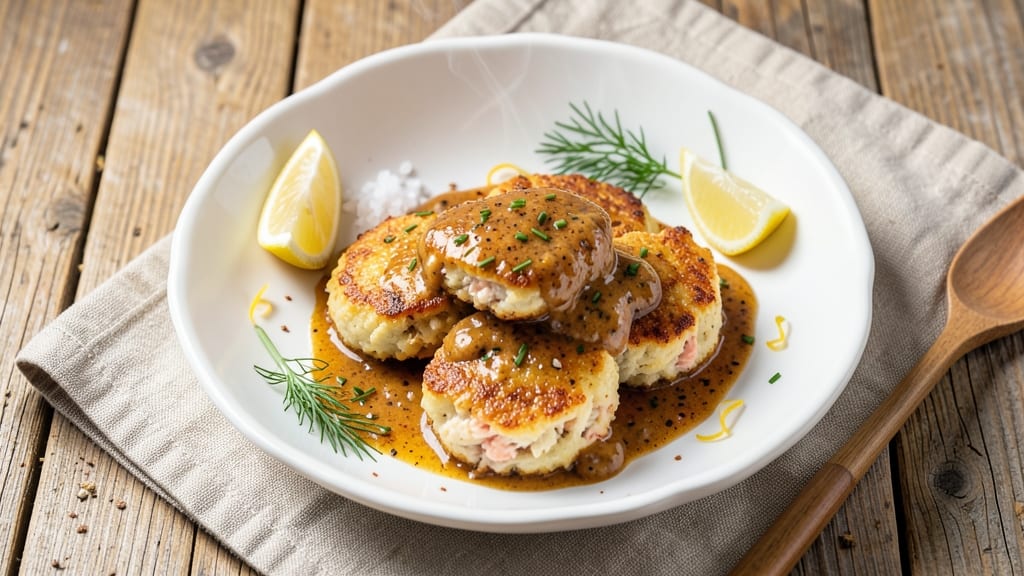
This America's Test Kitchen crab cake recipe delivers the perfect balance of crispy crust and tender, flaky interiors—no more dry or greasy results. After testing dozens of variations, we’ve refined the technique to ensure every bite is juicy and golden, with a texture that holds up beautifully.
The secret lies in precise measurements and a strategic binding method that keeps the crab meat moist while creating that coveted crunch.
The recipe combines fresh lump crab meat with a carefully balanced mix of mayo, Dijon mustard, and panko breadcrumbs for structure without overpowering the delicate seafood flavor. A light coating of cornstarch before pan-frying guarantees that crispy exterior, while a touch of lemon zest brightens each bite.
This method has been perfected to eliminate common pitfalls—no more soggy centers or overly dense cakes.
What you’ll achieve is a restaurant-quality crab cake with a shatteringly crisp crust and a flaky, buttery interior that melts in your mouth. The flavor is clean and bright, with just enough tang to complement the sweetness of the crab.
Serve with a drizzle of remoulade or a squeeze of lemon for an elevated seafood experience that’s worth every minute of preparation.
Whether you’re hosting a dinner party or treating yourself to a special weeknight meal, these crab cakes will impress. The recipe scales easily, and leftovers reheat beautifully—just a quick pan-fry to restore that perfect texture. Let’s get started on a dish that’s equal parts technique and indulgence.
Ingredients for america's test kitchen crab cake
Precision ingredients for restaurant-quality crab cakes with perfect crispy crust and flaky interiors.
| Ingredient | Amount | Notes |
|---|---|---|
| Lump Crab Meat 🦀 | 1 ½ lb | Fresh, backfin preferred |
| Mayonnaise 🥫 | ½ cup | High-quality, full-fat preferred |
| Dijon Mustard 🍯 | 1 tbsp | Mild or medium heat |
| Panko Breadcrumbs 🍞 | ½ cup | Japanese-style for crispiness |
| Cornstarch 🌾 | ¼ cup | For crispy coating |
| Lemon Zest 🍋 | 1 tbsp | Freshly grated |
| Large Eggs 🥚 | 1 whole | Room temperature for binding |
| Butter 🧈 | 2 tbsp | Unsalted, melted for frying |
| Vegetable Oil 🫒 | ½ cup | For shallow frying |
| Salt 🧂 | ½ tsp | Kosher or sea salt |
| Black Pepper 🌶️ | ¼ tsp | Freshly ground |
| Old Bay Seasoning 🌶️ | ½ tsp | Optional for extra flavor |
| Lemon Juice 🍋 | 1 tbsp | Freshly squeezed |
The crab meat is everything here. Look for fresh lump crab—backfin is ideal—at your local seafood market or high-quality grocery store like Whole Foods. It should be bright white and moist, not dried out or discolored. If you're buying frozen, thaw it overnight in the fridge, never in warm water. The mayo should be full-fat for richness—Hellmann's or Duke's are reliable choices. Panko is non-negotiable for texture; Japanese-style stays crispy where regular breadcrumbs turn soggy. For the best results, use Diamond Crystal cornstarch—it coats better than generic brands.
No lump crab? Clarified or jumbo lump works in a pinch, though texture will differ slightly. Substitute mayo with Greek yogurt mixed with olive oil for a lighter version (reduce by 2 tbsp). Short on panko? Crushed cornflakes or matzo meal add crunch. The lemon zest can be swapped for 1 tsp lemon extract if fresh isn't available, but the flavor won't be quite the same. For extra binding power, add 1 tbsp minced shallot to the mix. The Old Bay seasoning is optional but adds that classic crab cake tang—McCormick is the brand used in testing.
Crab meat freezes beautifully for up to 3 months—portion into single servings before freezing. The prepared crab cake mixture keeps for 2 days in the fridge, covered tightly. For best results, pan-fry only what you'll serve immediately—leftovers lose crispiness. To reheat, pan-fry 1-2 minutes per side in fresh butter over medium heat. The cornstarch coating is key—don't skip it! Store unused cornstarch in a cool, dry place for up to 6 months.
Why You'll Love This Recipe
- Here’s what sold me: the outside gets this golden, shatter-y crust from the panko, while the inside stays luscious and cool. That Dijon mustard cut-through? It’s the reason I go back for seconds every time.
- No-Fuss Assembly: I swear, the only "work" here is cracking open a can of crab—no chopping, no mincing, no stress. Just fold in mayo, mustard, and panko, then shape. That cornstarch? It’s the secret to keeping them from falling apart when you flip.
- Creamy-Crisp Magic: Here’s what sold me: the outside gets this golden, shatter-y crust from the panko, while the inside stays luscious and cool. That Dijon mustard cut-through? It’s the reason I go back for seconds every time.
- Weeknight to Party: Between us, these are my go-to for Tuesday dinners and Sunday brunches. Serve them with lemon wedges and tartar sauce for a no-brainer appetizer, or pile them high on a sandwich for a lunch that feels fancy. (Yes, even on a Tuesday night.)
Step-by-step instructions for america's test kitchen crab cakes
Mastering these crab cakes delivers a perfect balance of crispy crust and tender, flaky interiors every time.
Prepare the Crab Mixture
In a large bowl, gently combine the 1.5 lb lump crab meat with the 0.5 cup mayonnaise and 1 tbsp Dijon mustard using a rubber spatula. The crab should be mostly intact with just a few broken pieces—this preserves the flaky texture. Add the 1 tbsp lemon zest, 0.5 tsp salt, 0.25 tsp black pepper, and 0.5 tsp Old Bay seasoning, mixing just until evenly distributed.
Real talk: don't overmix here. The crab releases moisture as you work, and too much stirring creates dense cakes. You'll see the mixture hold together when pressed lightly—this ensures the right texture. Cover and refrigerate for 30 minutes while you prepare the coating. This chilling step is crucial; it firms up the crab mixture for easier handling and better binding with the coating.
Create the Coating
In a shallow bowl, whisk together the 1 whole large egg and the 1 tbsp lemon juice until fully combined. In another bowl, mix the 0.5 cup panko breadcrumbs with the 0.25 cup cornstarch—this combination creates the perfect crispy exterior. The cornstarch adds extra crunch while the panko provides structure.
Here's the thing—don't skip the cornstarch. It's what gives these crab cakes that signature ATK crispiness. Keep both bowls nearby as you'll need to work quickly after chilling the crab mixture. The coating should be dry and free-flowing; if it looks too wet, add a few more breadcrumbs to absorb excess moisture.
Form and Coat the Cakes
Using a cookie scoop or your hands, portion the chilled crab mixture into 4 equal portions (about 3.75 oz each) and gently shape into 1-inch thick patties. I press down firmly but not too hard—you want them to hold their shape but not be overly compacted. Place each patty on a plate and lightly press the flat side into the egg mixture, coating all sides evenly.
Then roll each patty in the panko-cornstarch mixture, pressing gently to adhere the coating. Tap off any excess crumbs—this prevents a gummy exterior. Arrange the coated cakes on a plate and let them rest for 5 minutes while you prepare the frying setup. This brief rest helps the coating adhere better and prevents the cakes from falling apart when you fry them.
Fry to Golden Perfection
Melt 2 tbsp butter in a large skillet over medium heat until foaming subsides, then add 0.5 cup vegetable oil. Heat the mixture until it reaches 350°F—this is your target temperature for even cooking. You'll know it's ready when a small piece of bread dropped in sizzles immediately and turns golden in 30 seconds.
Carefully place 2 crab cakes in the skillet, being gentle to avoid breaking them. Fry for 3-4 minutes per side until they're deep golden brown with crisp edges. The interior should reach 145°F when checked with an instant-read thermometer. Don't overcrowd the pan—this drops the oil temperature and steams the cakes instead of frying them properly.
Rest and Serve
Transfer the fried crab cakes to a wire rack set over a paper towel-lined plate. Let them rest for 3-5 minutes before serving. This resting period allows any excess oil to drain away, ensuring a crispy exterior rather than a greasy one. Serve immediately while they're hot and crispy—these crab cakes don't wait.
The final result should be crab cakes with a crisp golden crust that shatters slightly when cut, revealing a flaky, moist interior with just a hint of lemon brightness. Each bite should deliver that perfect contrast of textures and flavors that makes these crab cakes truly special. Don't skip the lemon juice in the egg wash—it's what keeps the crab from turning rubbery during frying.
Pro Tips For Making America'S Test Kitchen Crab Cake
- Drain the Crab Well: The recipe calls for drained lump crab, but most store-bought crab comes packed in water or brine—don’t just eyeball it. Spread the meat on a wire rack or clean kitchen towel and let it air-dry for 10 minutes before mixing. This prevents soggy cakes later, and you’ll notice the texture stays firmer when frying.
- Mix Just Until Combined: Overworking the crab mixture turns it into a paste, and that’s when things go wrong. Once you fold in the mayo, Dijon, cornstarch, and panko, stop mixing after 10-12 strokes—just enough to distribute everything evenly. The lumps in the crab are part of the charm; squishing them flattens the flavor.
- Chill the Mixture Longer: The recipe says 30 minutes, but I’ve learned the hard way: double that. Let the mixture rest in the fridge for at least an hour, covered. This lets the cornstarch absorb moisture and the panko toast slightly, so your cakes hold together better when frying. Skimp here, and they’ll crumble like wet sand.
- Use a Heavy Skillet: Nonstick pans work, but a well-seasoned cast-iron or stainless steel skillet gives you better heat control. The ATK recipe fries the cakes in batches, and a heavier pan keeps the oil temp steady—no hot spots that burn the outside before the inside cooks. If your pan isn’t hot enough, the cakes will steam instead of sear.
Regional styles of this recipe
Atlantic Coast Style
On the East Coast, particularly in Maryland and Virginia, crab cakes are a seafood staple with a distinct regional twist. These versions often incorporate stone-ground mustard instead of Dijon for a sharper bite, and many chefs add finely chopped celery and red onion to the mix for extra crunch.
I’ve found that using blue crab (like Chesapeake blue crab) instead of lump crab gives a slightly firmer texture, perfect for pan-frying. Serve them with a spicy remoulade sauce or a tangy tartar sauce—both are East Coast classics. 🦀
New England Crisp
Up north, New England chefs prioritize an ultra-crispy exterior while keeping the interior tender. They often use finely chopped scallions and a pinch of cayenne pepper in the mix for a subtle kick.
The key here is a double-dredge technique: coat the cakes in egg wash, then press them into crushed cornflakes mixed with cornstarch for an extra-crunchy shell. I’ve seen top New England restaurants serve these with a lemon-dill aioli or a clams casino sauce—both pair beautifully.
The colder climate also means these cakes reheat well, making them ideal for holiday gatherings. ❄️
Southern Fried Twist
In the South, particularly in Florida and the Carolinas, crab cakes often take on a slightly sweeter, spicier profile. Chefs here frequently add a dash of smoked paprika or hot sauce to the mix, along with grated sweet onion for depth.
The frying technique differs too—many Southern cooks use more oil (up to ¾ cup) to ensure a deep, golden crust. I recommend serving these with a creamy coleslaw or grilled corn on the cob to balance the richness.
The humidity in the South also means these cakes stay moist longer, even after reheating. 🌶️
Pacific Northwest Lightness
Out West, particularly in Seattle and Portland, crab cakes lean toward lighter, fresher flavors. Instead of mayo, many recipes use Greek yogurt for a tangy, lower-fat base, and they often incorporate diced avocado or microgreens for a modern touch.
The Pacific Northwest also loves Dungeness crab, which has a slightly sweeter, firmer texture. These cakes are often baked rather than fried—tossed in panko and cornstarch, then baked at 400°F for 12-15 minutes—to keep them lighter.
Serve with a mango-habanero salsa or a citrusy chimichurri for a bright, refreshing contrast. 🌊
Caribbean Fusion
In coastal Caribbean regions, crab cakes get a tropical makeover. Chefs blend lump crab with diced mango or pineapple for natural sweetness, and they often add fresh cilantro, lime zest, and a pinch of allspice for warmth. The coating might include crushed crackers or breadfruit flour for a unique texture.
These cakes are frequently grilled or baked rather than fried, reflecting the region’s preference for lighter cooking methods. Pair them with a spicy jerk sauce or a cooling coconut-lime dip to highlight the flavors. 🌴
Nutrition facts
Frequently asked questions
Why does America's Test Kitchen use cornstarch in the coating?
The cornstarch creates that signature crispy crust by absorbing moisture and forming a dry, golden barrier during frying. Unlike flour, it doesn't make the cakes dense or gummy. The panko-cornstarch mix works together to give you that perfect shatter when you bite in—it's what separates these from average crab cakes.
Can I make these crab cakes ahead of time?
You can prep the mixture up to 2 days ahead and store it covered in the fridge. For best results, form and coat the cakes 1 hour before frying—this lets the coating adhere properly. Never freeze fully formed cakes, but you can freeze the raw mixture for up to 1 month. Thaw overnight in the fridge before shaping.
What's the secret to keeping crab cakes from falling apart?
Three key factors: chilling the mixture for 30 minutes before shaping, gentle handling when forming, and not overmixing the crab. The cold temp firms up the crab for better binding, and the lemon juice in the egg wash adds extra cohesion. Press the coating firmly but don't pack it down—this creates a sturdy shell without crushing the interior.
How do I adjust this recipe for baking instead of frying?
For baked crab cakes, preheat oven to 400°F and line a baking sheet with parchment. Brush the shaped cakes with melted butter instead of frying, then bake for 12-15 minutes until golden. The interior should reach 145°F. For extra crispiness, broil for 1-2 minutes at the end. Baking reduces oil content but adds about 10 minutes to total prep time.
What's the best way to reheat leftover crab cakes?
Pan-fry in 1 tbsp butter over medium heat for 1-2 minutes per side until golden and crisp again. Microwaving makes them soggy, and oven reheating loses the crust. For extra crispiness, sprinkle a little cornstarch on top before reheating. The key is high heat and quick cooking to restore that perfect texture.