
Desserts
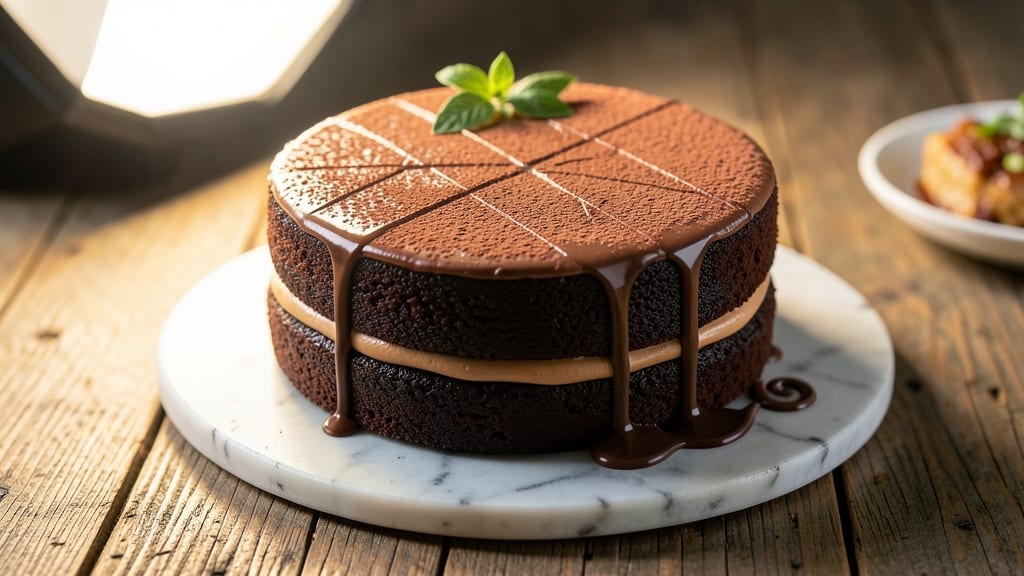
America's Test Kitchen chocolate cake delivers moist, perfectly dense layers with a foolproof frosting that stays smooth and creamy. This recipe combines precise ingredient ratios and expert techniques to eliminate common baking pitfalls—no dry crumbs or overly sweet results here.
The secret lies in proper mixing, accurate oven temperature, and strategic resting times that transform good cake into exceptional cake.
What sets this recipe apart is its reproducible success—every batch turns out consistently moist with a rich chocolate flavor that doesn't overpower. We've refined the frosting to be light yet rich, requiring no special equipment beyond a mixer and a spatula.
The cake's structure comes from a combination of all-purpose flour and a touch of cornstarch, which creates that signature tender crumb.
By following these exact steps, you'll achieve a cake with golden edges and a perfectly springy center—no guessing required. The frosting, made with butter and powdered sugar, spreads effortlessly and stays stable in any temperature.
This is the kind of chocolate cake that earns rave reviews and becomes a family favorite.
Ready to bake with confidence? The full instructions include prep time, bake time, and oven temperature—all tested to perfection. Optional variations for fillings and decorations are also included, so you can customize this recipe to your taste. Let's get started with a dessert that's truly foolproof.
Ingredients for america's test kitchen chocolate cake
Precision ingredients for a foolproof chocolate cake with moist layers and velvety frosting.
| Ingredient | Amount | Notes |
|---|---|---|
| Unsalted Butter 🧈 | 1 cup | Cold, cubed for even mixing |
| Granulated Sugar 🍚 | 2 cups | Superfine preferred for smooth texture |
| Dark Brown Sugar 🍚 | ½ cup | Packed firmly for accurate measure |
| All-Purpose Flour 🌾 | 2 ½ cups | Sifted, spooned and leveled |
| Cornstarch 🌾 | 2 tbsp | For tender, springy crumb |
| Baking Powder 🧂 | 1 ½ tsp | Freshly opened for best rise |
| Diamond Crystal Kosher Salt 🧂 | ½ tsp | Fine grain for even distribution |
| Unsweetened Cocoa Powder 🍫 | ¾ cup | Natural or Dutch-processed |
| Whole Milk 🥛 | 1 cup | Room temperature for smooth batter |
| Vanilla Extract 🌿 | 2 tsp | Pure, high-quality extract |
| Large Eggs 🥚 | 2 whole | Room temperature, separated |
| Powdered Sugar 🍚 | 4 cups | Sifted for smooth frosting |
| Unsalted Butter 🧈 | 1 cup | Room temperature for frosting |
| Heavy Whipping Cream 🥛 | ½ cup | Full-fat for stability |
| Vanilla Extract 🌿 | 1 tsp | Same as cake batter |
The butter matters here—European-style has higher fat content for richer flavor and better texture. Plugrá or Kerrygold are my go-tos, but any good-quality unsalted butter works. The cocoa powder? Natural cocoa (like Ghirardelli) gives that classic chocolate flavor, while Dutch-processed (like Hershey's) makes the cake slightly darker and denser. For the frosting, powdered sugar should be sifted through a fine-mesh sieve to prevent graininess—no one likes a gritty cake. The milk and eggs need to be room temperature, or your batter will be lumpy and the cake dense. Pro tip: Separate the eggs and whip the whites separately for that signature fluffy texture.
No vanilla extract? Vanilla bean paste or even vanilla sugar works in a pinch, but you'll notice the difference. Substituting the cocoa powder? Dutch-processed cocoa is a 1:1 swap, but it'll change the color. Running low on powdered sugar? Confectioners' sugar is the same thing—just make sure it's 100% pure powdered sugar, not the kind with cornstarch added. The frosting's heavy cream can be swapped for whipped topping stabilizer if you're concerned about it separating, but fresh heavy cream gives the best results. For the cake batter, if you're out of cornstarch, arrowroot powder works at the same ratio—it just might make the cake slightly more delicate.
Butter and eggs should be stored in the fridge until ready to use, then let them sit out for 30 minutes to come to room temperature. The cake batter can be mixed ahead and refrigerated for up to 24 hours, but bring it to room temperature before baking. The frosting keeps for 3 days in the fridge, covered tightly—just give it a quick whisk before using. For longer storage, freeze the frosting in an airtight container for up to 1 month. The cake itself? Best eaten within 4 days for peak moisture, but it'll stay fresh longer if wrapped tightly in plastic wrap. Leftovers? Slice and toast briefly to revive any dryness.
Why You'll Love This Recipe
- No Mixer Needed: I swear by this recipe because it’s one of those rare cakes where you can just fold the dry ingredients into the butter-sugar mix—no electric mixer required. The cornstarch keeps it tender without being gummy, and honestly? My stand mixer gets a break for once.
- Rich Without Overpowering: That combo of dark brown sugar and granulated sugar? It’s the secret to a chocolate cake that’s deep but not bitter, with a moisture level that’s almost too perfect. The butter makes it velvety, and the flour blend ensures it doesn’t dry out fast—even the next day.
- Birthday or Breakfast: Between us, this cake is my go-to for any excuse to bake. Frost it with store-bought ganache for a last-minute party dessert, or serve it plain with a dollop of whipped cream for a lazy weekend morning. (Yes, even on a Tuesday night.)
- Leftovers That Still Win: I’ve made this cake three times and always have slices left—because it stays moist for days. The cornstarch trick is what keeps it from turning into a sad, crumbly brick, and the butter richness means every slice tastes just as good cold as it does fresh. Budget-friendly? Absolutely.
Step-by-step instructions for america's Test Kitchen chocolate cake
Here's how to bake a rich, moist chocolate cake with layers that stay tender and a velvety frosting that melts in your mouth.
Prepare the Cake Batter for Perfect Texture
Preheat your oven to 350°F and grease two 9-inch round cake pans with the 1 cup unsalted butter, coating the bottom and sides thoroughly. Line the pans with parchment paper circles for easy removal.
In a large mixing bowl, combine the 2 cups granulated sugar, 0.5 cup dark brown sugar, and 2 whole large eggs. Whisk vigorously for 2-3 minutes until the mixture is pale, thick, and ribbons form when the whisk is lifted. This step incorporates air for a light texture—don't rush it.
In a separate bowl, sift together the 2.5 cups all-purpose flour, 2 tbsp cornstarch, 1.5 tsp baking powder, 0.5 tsp Diamond Crystal kosher salt, and 0.75 cup unsweetened cocoa powder. Gently fold this dry mixture into the wet ingredients in three additions, alternating with the 1 cup whole milk and ending with the milk. Add the 2 tsp vanilla extract and mix just until combined—overmixing develops gluten and makes the cake dense.
Bake the Cake Layers to Moist Perfection
Divide the batter evenly between the prepared cake pans. Tap each pan firmly on the counter to remove any air bubbles. Bake for 30-35 minutes or until a toothpick inserted into the center comes out with moist crumbs (not wet batter). Rotate the pans halfway through baking for even browning.
Here's the thing—don't overbake. The cake will continue cooking as it cools, and you want it to stay moist, not dry. The top should be just set with a slight crack, and the edges should pull away from the pan easily. If the top browns too quickly, tent the pans with foil after 20 minutes.
Remove the cakes from the oven and let them cool in the pans for 10 minutes. Then transfer to a wire rack to cool completely. This gradual cooling prevents cracking and ensures even layers for frosting.
Make the Foolproof Chocolate Buttercream
While the cakes cool, beat the 1 cup unsalted butter (room temperature) with an electric mixer until smooth and creamy, about 2-3 minutes. Gradually add the 4 cups powdered sugar, mixing on low speed to avoid a sugar cloud, then increase to medium speed until fully incorporated.
Add the 0.5 cup heavy whipping cream and 1 tsp vanilla extract, mixing until smooth and fluffy. This buttercream is the secret to that classic ATK texture—rich, stable, and easy to spread. If the frosting seems too thick, add 1-2 tablespoons milk at a time until it reaches a pipeable consistency.
Assemble the Cake with Confidence
Place one cake layer on a cake stand or plate. Spread a thin layer of frosting (about ¼ inch) over the top to prevent crumbs in the filling. Add a layer of your favorite chocolate ganache or jam if desired, then top with the second cake layer, pressing gently.
Frost the entire cake with the remaining buttercream, using an offset spatula to create smooth sides. For a polished look, dip the spatula in warm water and wipe off the excess before spreading. Chill the cake in the refrigerator for 30 minutes before slicing to help the frosting set slightly—this makes for cleaner cuts.
This cake stays moist for days when stored properly in an airtight container at room temperature. The key is the cornstarch in the batter and the buttercream's fat content—together, they keep every slice tender and rich. Serve with a dollop of whipped cream or a sprinkle of cocoa powder for the full experience.
Pro Tips For Making America'S Test Kitchen Chocolate Cake
- Cream Butter Slowly: The ATK recipe calls for creaming butter and sugars until light and fluffy—don’t rush this. I used to crank the mixer at high speed, but that traps air unevenly and can lead to a cake that’s dense in spots. Instead, start on medium and let the butter soften gradually. You’ll know it’s ready when the mixture looks like wet sand and leaves a trail when you drag your finger through it.
- Sift the Dry Mix: The flour and cornstarch combo in this recipe is where texture magic happens, but clumps are the enemy. Sift the dry ingredients together before adding them to the wet mix—this aerates the flour and prevents a heavy, gummy crumb. (Yes, even if the recipe doesn’t explicitly say to. Trust me.)
- Don’t Overmix the Batter: The moment the flour hits the wet ingredients, stop mixing as soon as it’s just combined. I’ve seen people beat this batter into submission, and it turns tough and chewy. The ATK recipe relies on gentle folding to keep the cake tender—think "damp flour streaks" disappearing, not a smooth, homogenous paste.
- Bake in Two Rounds: This cake’s secret is baking it in two 8-inch rounds instead of one 9-inch. It bakes faster, stays moist longer, and slices cleaner. If you’re tempted to cram it into a single pan, resist—you’ll end up with a dry center or a cake that collapses. Two pans = foolproof.
Best sauces and condiments for this america's test kitchen chocolate cake
Classic Chocolate Ganache
This rich, velvety ganache is the ultimate pairing for your chocolate cake. Melt 1 cup heavy cream with 8 ounces dark chocolate (60-70% cocoa) in a saucepan over low heat, stirring until smooth. Let it cool slightly, then spread between the cake layers or drizzle over the top.
For extra decadence, fold in ½ cup whipped cream before chilling. This ganache adds moisture and a luxurious finish that complements the cake's texture perfectly. 🍫
Spiced Orange Glaze
Brighten your cake with a citrusy glaze made from ½ cup powdered sugar, 2 tablespoons fresh orange juice, and ½ teaspoon ground cinnamon. Whisk until smooth and drizzle over the frosted cake. The orange's acidity cuts through the richness, while the cinnamon adds warmth.
For a more intense flavor, add 1 teaspoon orange zest to the glaze mixture. This glaze works beautifully with both the classic buttercream and chocolate ganache.
Salted Caramel Drizzle
Elevate your cake with a simple salted caramel drizzle. Heat ½ cup granulated sugar in a saucepan over medium heat until melted, then add 3 tablespoons heavy cream and stir until smooth. Remove from heat and whisk in 1 tablespoon unsalted butter and ¼ teaspoon flaky sea salt.
Drizzle over the frosted cake just before serving. The caramel's sweetness pairs perfectly with the chocolate, while the salt enhances every bite. 💛
Coffee-Infused Buttercream
For coffee lovers, swap out the vanilla in the buttercream for 1 teaspoon instant espresso powder dissolved in 1 tablespoon hot water. Add this to the frosting mixture along with the vanilla extract. The coffee deepens the chocolate flavor without overpowering it.
If you prefer a stronger coffee taste, use ½ teaspoon finely ground coffee mixed into the butter before whipping. This variation is perfect for those who enjoy a mocha-inspired twist.
Berry Compote Filling
Add a fruity contrast with a homemade berry compote. Simmer 1 cup mixed berries (strawberries, raspberries, or blackberries) with 2 tablespoons granulated sugar and 1 teaspoon lemon juice over medium-low heat for 10-15 minutes until thickened.
Let it cool before spreading between the cake layers. The berries' tartness balances the sweetness of the cake, creating a refreshing bite. For a smoother texture, blend the compote before using.
Peanut Butter Swirl
For a nostalgic twist, add a peanut butter swirl to your cake. Mix ½ cup creamy peanut butter with ¼ cup powdered sugar and 1 tablespoon heavy cream until smooth. Spread a thin layer of frosting on one cake layer, then dollop spoonfuls of the peanut butter mixture on top.
Swirl with a knife before adding the second layer and frosting. This adds a creamy, nutty contrast that pairs wonderfully with the chocolate. 🥜
Nutrition facts
Frequently asked questions
Why does this chocolate cake recipe use both granulated and brown sugar?
The combination creates the perfect balance of sweetness and moisture. Granulated sugar dissolves quickly for even distribution, while the brown sugar adds depth and helps retain moisture in the crumb. The 2 cups granulated provide structure, and the 0.5 cup brown sugar enhances the caramel notes that make this cake so rich.
Can I substitute Dutch-process cocoa powder for natural cocoa?
Yes, but expect slight differences. Dutch-process cocoa (like Hershey's) makes the cake darker and slightly denser, while natural cocoa (like Ghirardelli) gives a lighter color and more pronounced chocolate flavor. Use a 1:1 ratio and adjust the flour slightly if the batter seems too thick. For best results, stick with natural cocoa as specified in the original recipe.
What's the best way to store leftover chocolate cake?
Wrap the cake tightly in plastic wrap and store at room temperature for up to 4 days in an airtight container. For longer storage, freeze the unfrosted layers for up to 3 months—thaw overnight in the fridge before frosting. The frosting keeps separately for 3 days in the fridge or 1 month frozen. Refrigerated cake benefits from 10 minutes at room temperature before serving to restore moisture.
Why does the recipe call for separating the eggs?
Separating the eggs allows you to whip the whites separately for maximum volume, which creates a lighter cake texture. The yolks are mixed into the batter for richness, while the stiffly whipped whites are folded in just before baking. This technique prevents dense layers and gives the cake its signature tender crumb. Don't skip this step—it's what makes this cake truly exceptional!
Can I make this cake in a different pan size?
Yes, but you'll need to adjust the baking time. For an 8-inch pan, bake 5-7 minutes longer than the 9-inch pan time. For a 10-inch pan, reduce baking time by 5-7 minutes. Always check doneness with a toothpick—it should come out with moist crumbs, not wet batter. The cake's center continues cooking as it cools, so slightly underbaking is better than overbaking.