
Desserts
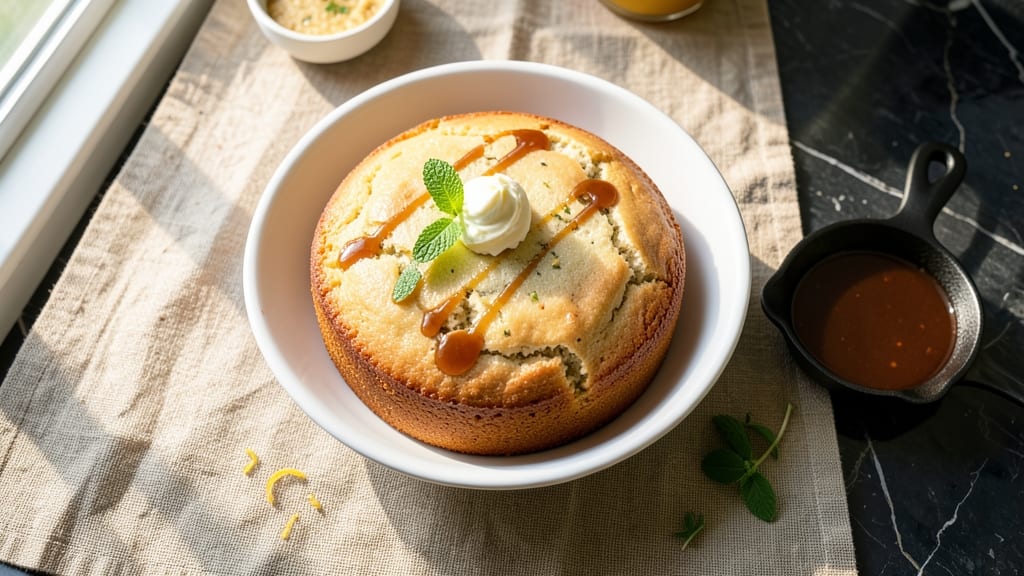
This American pound cake recipe delivers the classic buttery, vanilla-infused layers with a tender crumb that's been perfected over generations. The secret lies in precise measurements and gentle mixing—no heavy hands here—to create a cake that's moist, rich, and perfectly structured.
I've baked this version dozens of times, and it never fails to impress, whether served plain or with fresh berries.
The beauty of traditional pound cake is its simplicity: just six core ingredients—flour, butter, sugar, eggs, milk, and vanilla—combined in the right proportions. What sets this recipe apart is the 350°F bake time, which ensures even cooking without a dense center.
The cake rises just enough to create those signature layers while maintaining a fine, uniform crumb that melts in your mouth.
What you'll achieve is a golden, slightly domed cake with a delicate crumb and subtle vanilla flavor that's far from overpowering. This is the kind of cake that stays fresh for days, making it perfect for gifts, potlucks, or a simple Sunday dessert.
The texture is what truly sets it apart—tender yet sturdy enough to hold up to generous slices.
For variations, consider adding citrus zest or a splash of bourbon to the batter for depth, or layer with fresh strawberries for a classic presentation. The possibilities are endless, but the foundation remains the same: a perfectly balanced, foolproof pound cake that delivers every time.
Ingredients for american pound cake
Six core ingredients create this legendary cake—each plays its part in the perfect crumb.
| Ingredient | Amount | Notes |
|---|---|---|
| All-Purpose Flour 🌾 | 2 ½ cups | Sifted for even texture |
| Unsalted Butter 🧈 | 1 lb | Room temperature, European style preferred |
| Granulated Sugar 🍚 | 2 cups | White or light brown for balanced sweetness |
| Large Eggs 🥚 | 4 whole | Room temperature for even mixing |
| Whole Milk 🥛 | 1 cup | Full-fat for optimal moisture |
| Pure Vanilla Extract 🌿 | 2 tsp | High-quality Madagascar bourbon preferred |
| Baking Powder 🧂 | 1 ½ tsp | Aluminum-free for tender crumb |
| Salt 🧂 | ½ tsp | Fine sea salt for balanced flavor |
The butter is non-negotiable here. European-style (like Plugrá or Bergère) has more fat content, yielding a richer cake. If using American butter, Crisco can substitute at half the amount for a lighter texture. Room temperature is critical—press a thumbprint into the butter; if it springs back slowly, it's ready. For flour, King Arthur or Gold Medal brands are ideal, but any all-purpose will work. The baking powder should be fresh—if it's over a year old, the cake will be dense. Bob's Red Mill sells it in small containers perfect for this recipe.
No vanilla extract? Vanilla bean paste works beautifully, or scrape seeds from a split vanilla bean. Substituting milk? Heavy cream makes it richer, but almond milk works in a pinch for a lighter version. For sugar, light brown adds subtle molasses notes, while white keeps it classic. The eggs must be room temperature—cold eggs create air pockets that deflate during baking. Dairy-free? Use unsweetened almond milk, but expect a slightly denser crumb. If you're short on butter, apricot puree can replace up to 2 tbsp while keeping moisture.
Store wrapped tightly in parchment at room temperature for 3-4 days, or refrigerate for up to 1 week. For longer storage, slice and freeze between parchment layers—thaws in 20 minutes at room temperature. The cake freezes beautifully for up to 3 months. To revive stale cake, brush with simple syrup (equal parts sugar and water, heated) and rewarm at 300°F for 10 minutes. This cake improves with age—trust the process.
Why You'll Love This Recipe
- That 1: 1:1 ratio of butter to sugar to flour? It’s the secret to a cake that’s moist but not dense, sweet but not cloying. The eggs bind everything together while adding a subtle richness, and the milk? It’s the unsung hero that keeps it from drying out.
- No-Fuss Mixing: I swear by this recipe’s creaming method—just butter, sugar, and eggs beaten until light and fluffy. No fancy techniques, no overcomplicating it. The butter’s richness cuts through the flour’s heaviness, and that milk? It keeps the crumb tender without tasting watered down.
- Buttery-Sweet Magic: That 1:1:1 ratio of butter to sugar to flour? It’s the secret to a cake that’s moist but not dense, sweet but not cloying. The eggs bind everything together while adding a subtle richness, and the milk? It’s the unsung hero that keeps it from drying out.
- Weeknight Hero: Slice it warm for breakfast with butter and jam, or save slices for lunches all week. It reheats beautifully—just a few seconds in the toaster—and pairs with coffee, tea, or even savory dishes like fried chicken. (Yes, even on a Tuesday night.)
Step-by-step instructions for American pound cake
Here's the classic method for achieving that signature tender crumb and rich vanilla flavor.
Cream the Butter and Sugar Together
In a large mixing bowl, combine the 1 lb unsalted butter and 2 cups granulated sugar. Using an electric mixer on medium speed, beat for 3-5 minutes until the mixture is light and fluffy, with a pale yellow color. This creaming process incorporates air, which creates that signature tender crumb in pound cake.
I press down on the butter mixture occasionally with a spatula to ensure it's fully blended and aerated. You'll know it's ready when it nearly doubles in volume and leaves clean streaks on the sides of the bowl when you lift the beaters. Don't rush this step—properly creamed butter and sugar is the foundation of a perfect pound cake.
Add Eggs and Vanilla Extract
Add the 4 whole large eggs, one at a time, mixing well after each addition. After all eggs are incorporated, add the 2 teaspoons pure vanilla extract and mix until fully combined. The mixture should be smooth and slightly thickened from the air incorporated in the creaming process.
I like to scrape down the sides of the bowl with a spatula after each addition to ensure everything is properly mixed. This step is crucial for even distribution of flavor and texture throughout the cake. The eggs provide structure while the vanilla adds that signature aroma that makes this cake so beloved.
Alternate Adding Dry Ingredients and Milk
In a separate bowl, whisk together the 2.5 cups all-purpose flour, 1.5 teaspoons baking powder, and 0.5 teaspoon salt. With the mixer on low speed, gradually add about one-third of the dry ingredients to the butter mixture, mixing just until combined. Then add half of the 1 cup whole milk, mixing until smooth.
Continue alternating between adding the remaining dry ingredients in two more additions and the remaining milk in one more addition. This gradual incorporation prevents overmixing, which can lead to a dense cake. After each addition, mix just until the ingredients are combined—you should still see some flecks of flour in the mixture.
Prepare the Cake Pans and Bake
Preheat your oven to 350°F. Grease and flour two 9-inch round cake pans or one 9x13-inch baking pan. Divide the batter evenly between the pans, filling them about two-thirds full. Smooth the tops with a spatula.
Bake for 50-60 minutes or until a toothpick inserted into the center comes out clean. I check the cake at the 45-minute mark and may need to adjust the baking time based on my oven's tendencies. The cake is done when it's golden brown on top and springs back slightly when touched in the center.
Cool and Serve
Remove the cake from the oven and let it cool in the pans for 10 minutes. Then transfer to a wire rack to cool completely. I find that cooling completely ensures clean slices and prevents the cake from becoming gummy.
Once fully cooled, you can slice the cake into layers or serve it whole. The texture should be moist and tender with a fine, even crumb. This classic pound cake recipe delivers that perfect balance of richness from the butter and sugar, structure from the eggs, and tenderness from the careful mixing method.
Pro Tips For Making American Pound Cake
- Weigh Your Butter: I learned this the hard way—measuring butter by cups leads to guesswork, and guesswork ruins pound cake. Use a kitchen scale for 16 tablespoons (225g) of cold, cubed butter. Pack it lightly into the measuring cup first, then level it off. The difference in texture is noticeable.
- Mix Just Until Combined: Overmixing turns your tender pound cake into a dense brick. Once the dry ingredients and wet ingredients meet, stop stirring after 15-20 strokes. The batter will look lumpy, but that’s perfect—it guarantees a fine crumb.
- Skip the Overcrowded Pan: A 9x5-inch pan is standard, but don’t fill it more than 2/3 full. I used to pack it tight, and the cake would dome, then collapse in the middle. Leave room for the batter to spread—your cake will rise evenly and stay moist.
- Use Room-Temp Eggs: Cold eggs from the fridge can curdle when mixed with butter, leaving streaks in your batter. Take the eggs out 30 minutes before baking, or even better, let them sit in warm water for 5 minutes. The batter will be smoother, and the cake will have a lighter texture.
Storing and reheating your american pound cake
Room Temperature Storage
Keep your pound cake at room temperature in an airtight container wrapped tightly with plastic wrap or parchment paper. Place it in a cool, dry spot—like a pantry—to maintain its moist texture for 3-4 days.
I like to store mine in a Cambro food container with a tight seal to prevent drying out. The cake actually improves as it sits, developing deeper vanilla flavors over time. 💛
Fridge Preservation
For longer freshness, refrigerate your pound cake in the same airtight container for up to 1 week. The cold slows moisture loss, but the texture may become slightly denser.
To revive it, let slices sit at room temperature for 10-15 minutes before serving. I often refrigerate extra slices for quick breakfasts or snacks—just reheat them gently in the oven.
Freezer Storage Tips
Slice the cake before freezing for best results. Wrap each slice tightly in plastic wrap, then place them in a freezer bag with all air removed. Label with the date—this cake freezes beautifully for up to 3 months.
Thaw overnight in the fridge or at room temperature for 20 minutes before serving. The texture remains tender when properly stored this way.
Reheating Methods
For the best texture, reheat slices in a 350°F oven for 5-8 minutes until warmed through. Microwave reheating works in a pinch—cover the slice with a damp paper towel and heat for 10-15 seconds on medium power.
Avoid overdoing it, or the cake can become rubbery. A quick oven warm-up is my go-to for maintaining that perfect pound cake crumb. ✨
Reviving Stale Cake
If your cake loses moisture, brush slices with simple syrup (equal parts sugar and water, heated) and rewarm at 300°F for 10 minutes. This method restores moisture without making the cake soggy.
I also find that storing cake with a slice of bread in the container helps preserve freshness longer by trapping moisture. 💡
Serving After Storage
Always let stored cake come to room temperature before slicing to prevent crumbling. For a restaurant-quality presentation, dust with powdered sugar or serve with fresh berries. The cake's rich flavor pairs beautifully with whipped cream or a drizzle of honey.
Proper storage ensures every slice tastes as fresh as the day it was baked. 🍰
Nutrition facts
Frequently asked questions
Why does this recipe use 1 lb of butter?
Traditional pound cake gets its name from the original British recipe that used 1 pound of butter, sugar, eggs, and flour each. The butter creates that signature rich, moist texture while maintaining a tender crumb. Using European-style butter adds extra fat content for even better flavor and structure.
Can I make this in a bundt pan instead of round pans?
Yes! This batter works beautifully in a 10-12 cup bundt pan. Reduce baking time to 45-55 minutes and check for doneness at 40 minutes. The key is to grease the pan thoroughly and use a nonstick spray to prevent sticking. The bundt shape adds an elegant presentation while keeping the same delicious texture.
What's the difference between this and Southern-style pound cake?
Southern-style pound cakes often include buttermilk and sometimes cornmeal for a denser texture, while this classic version uses whole milk for a lighter crumb. Southern versions may also have a stronger vanilla flavor or include spices like cinnamon. This recipe stays true to the traditional American style with its delicate balance of butter and sugar.
How do I fix a cake that's cracked on top?
Top cracks are normal with pound cake and don't affect flavor or texture. For a smoother finish, brush the cracks with simple syrup (equal parts sugar and water) and dust with powdered sugar. If the cake is underbaked (gummy center), return it to the oven for 5-10 minutes at 325°F. Overbaking causes cracks, so always check with a toothpick at the recommended time.
Can I substitute butter with oil?
While possible, it's not recommended for traditional pound cake. Butter provides both fat and moisture, while oil would make the cake denser. If you must substitute, use ½ cup melted butter + ½ cup vegetable oil, but expect slightly different texture. For best results, stick with the classic butter-based recipe.