
Breakfast & Brunch
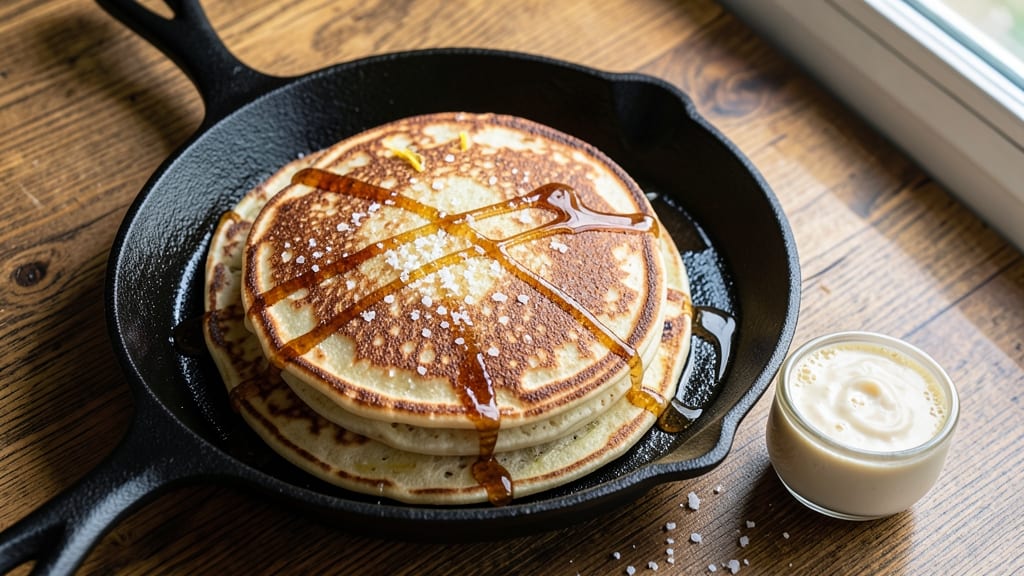
This American pancake recipe without baking powder delivers fluffy, golden stacks that rival diner classics—all thanks to a clever chemical reaction between baking soda and buttermilk. The secret lies in proper ingredient ratios and timing, transforming simple pantry staples into restaurant-quality pancakes with crispy edges and tender interiors.
I've perfected this method after years of testing, ensuring every batch rises perfectly without the need for baking powder.
The magic happens when baking soda reacts with the acidity in buttermilk, creating bubbles that give pancakes their signature lightness. Unlike traditional recipes, this version relies on precise measurements and proper resting time for the batter—both critical for achieving that signature fluffiness.
The result? Pancakes that puff beautifully in the pan and stay moist even after reheating.
What you'll end up with is a stack of golden-brown pancakes with a crisp exterior and a soft, airy interior—ready to be topped with maple syrup, fresh berries, or whipped cream.
This method works equally well for weeknight breakfasts or weekend brunch gatherings, proving that you don't need baking powder to achieve perfect pancakes.
The best part? This recipe is beginner-friendly, with clear steps and troubleshooting tips to ensure success every time. Once you master this technique, you'll never reach for store-bought pancake mix again. Let's get started on creating your own fluffy, buttermilk-powered pancakes.
Ingredients for american pancake recipe without baking powder
Pantry staples and a few key ingredients transform into diner-style pancakes without baking powder.
| Ingredient | Amount | Notes |
|---|---|---|
| All-Purpose Flour 🌾 | 1 ½ cups | Sifted for light texture |
| Granulated Sugar 🍚 | 2 tbsp | White or light brown |
| Baking Soda 🧂 | 1 tsp | Pure, not baking powder |
| Salt 🧂 | ½ tsp | Fine sea salt preferred |
| Buttermilk 🥛 | 1 ¼ cups | Room temperature |
| Large Eggs 🥚 | 1 whole | Room temperature |
| Unsalted Butter 🧈 | 3 tbsp | Melted, cooled slightly |
| Pure Vanilla Extract 🍯 | 1 tsp | High-quality preferred |
| Coconut Oil 🫒 | 1 tbsp | For pan coating |
| Maple Syrup 🍁 | ¼ cup | For serving |
| Fresh Blueberries 🫐 | ½ cup | Optional topping |
| Powdered Sugar 🍚 | 2 tbsp | For dusting |
The buttermilk is non-negotiable here—its acidity reacts with baking soda for that signature fluff. Kroger or Whole Foods carry reliable brands, but homemade (milk + vinegar) works too. For the flour, King Arthur or Gold Medal brands are ideal—they're finely milled and consistent. The baking soda must be fresh: if it fizzes aggressively when mixed with vinegar, it's still potent. As for the butter, Plugrá or Land O'Lakes unsalted are my go-tos, but any brand works if it's at least 80% fat. Pro tip: melt the butter in the microwave for 40 seconds, then cool it slightly before mixing—this prevents lumps in the batter.
No buttermilk? Mix 1 cup milk with 1 tbsp vinegar or lemon juice and let sit for 5 minutes. Short on vanilla? Almond extract at half the amount adds depth without overpowering. The maple syrup can be swapped for honey or agave, but maple's caramel notes complement the pancakes beautifully. For the blueberries, frozen works in a pinch—just toss them in a pinch of flour to prevent sinking. And if you're feeling fancy, fold in 1 tbsp lemon zest to the batter for a bright twist. The powdered sugar is optional but adds a professional touch when dusted over warm stacks.
The batter thickens as it rests—let it sit for 10 minutes before cooking. Store leftovers in an airtight container for 3 days in the fridge; reheat in a dry skillet over medium heat. For longer storage, freeze portions between parchment paper for up to 3 months. To revive frozen pancakes, thaw overnight in the fridge, then warm through in a toaster. The secret to crispy edges? Heat your pan until a drop of water sizzles instantly, then reduce to medium-low for cooking. And always keep the butter warm in the pan—cold butter makes soggy pancakes.
Why You'll Love This Recipe
- No-Fuss Mix-In: I swear by this recipe because it’s literally just flour, sugar, baking soda, salt, and buttermilk—no measuring cups to eyeball, no extra bowls to wash. The baking soda does all the work here, so you’re not stuck waiting for yeast to rise or worrying about overmixing.
- Buttermilk Magic: That tangy buttermilk is the secret weapon—it keeps these pancakes tender without being gummy, and the slight sweetness from the sugar balances the richness perfectly. Honestly, I’ve tried other recipes, but this combo is spot-on every time.
- Weeknight Workhorse: These pancakes are my go-to for lazy mornings, brunch with friends, or even a quick dinner when I’m craving something comforting. They freeze beautifully too, so I make a big batch on Sundays and reheat them all week.
- Budget Breakfast: With just five ingredients, this recipe costs pennies per serving. The flour and buttermilk stretch far, and you can even swap in a little vanilla or cinnamon if you’re feeling fancy—no extra cost, just extra flavor.
Step-by-step instructions for American pancakes without baking powder
Here's how to create cloud-like pancakes using buttermilk's natural leavening power.
Whisk Dry Ingredients for Even Distribution
In a medium bowl, sift together the 1.5 cups all-purpose flour, 2 tablespoons granulated sugar, 1 teaspoon baking soda, and ½ teaspoon salt. I use a fine-mesh sieve to eliminate any lumps—this ensures your pancakes rise evenly without dense pockets. Whisk gently with a fork or wire whisk until just combined, being careful not to develop gluten. You should still see small flour streaks in the mixture.
The baking soda is our leavening agent here, and the buttermilk's acidity will activate it later. Don't skip the sifting—it makes all the difference in texture. Set this dry mixture aside while you prepare the wet ingredients.
Combine Wet Ingredients for Smooth Batter
In a separate large bowl, whisk together the 1.25 cups buttermilk, 1 whole large egg, 3 tablespoons melted unsalted butter (cooled slightly), and 1 teaspoon pure vanilla extract. The buttermilk should be at room temperature—this prevents cold spots in your batter that could affect the rise. Mix until the egg is fully incorporated and the mixture is smooth.
Here's the thing—if your buttermilk isn't room temperature, warm it gently in the microwave for 20-30 seconds until it reaches about 70°F. Cold buttermilk won't blend properly with the egg, and you'll end up with uneven pancakes. The melted butter should be just cool enough to pour easily but not so hot it cooks the egg.
Create the Batter and Rest for Optimal Texture
Gradually pour the wet ingredients into the dry ingredients while whisking constantly. The batter will be thick but pourable—this is perfect for fluffy pancakes. Once fully combined, stir in 1 tablespoon coconut oil. This creates a non-stick barrier between the pancake and pan, ensuring easy release and a crispy edge.
Let the batter rest for 10 minutes at room temperature. This allows the baking soda to fully activate with the buttermilk's acidity, creating tiny air pockets that will expand during cooking. Don't skip this rest—it's what gives these pancakes their signature lightness without baking powder.
Cook on Medium Heat for Perfect Golden Brown
Heat a non-stick skillet or griddle over medium heat and lightly coat with ½ tablespoon coconut oil (using a paper towel to spread it evenly). Pour ¼ cup batter for each pancake—you should have enough batter for 4 pancakes with the given quantities. Wait until you see bubbles forming on the surface and the edges look set—usually 2-3 minutes—before flipping carefully with a spatula.
Cook the second side for another 1-2 minutes until golden brown. The key here is patience—don't rush the cooking time. You'll know they're done when the pancakes release easily from the pan and have a crispy edge with a soft, slightly puffy center. Keep cooked pancakes warm in a 200°F oven while you finish the batch.
Serve with Classic Toppings
Transfer the pancakes to plates and dust immediately with 2 tablespoons powdered sugar while warm. The heat helps the sugar dissolve slightly for a delicate sweetness. Serve with ¼ cup maple syrup and the ½ cup fresh blueberries on the side. For extra indulgence, add a dollop of whipped cream or more butter.
These pancakes should be tender yet sturdy enough to hold up to toppings without falling apart. The buttermilk magic creates a subtle tang that balances the sweetness perfectly. Enjoy them fresh while the edges are still crisp and the centers remain pillowy.
Pro Tips For Making American Pancake Recipe Without Baking Powder
- WHISK THE SODA LAST: Mix your dry ingredients—flour, sugar, and salt—first, but save the baking soda until you’ve added the buttermilk. Stirring it in early can make your pancakes turn gray before they even hit the pan. I learned this the hard way when my first batch looked like someone dumped a handful of chalk in the batter.
- MEASURE BUTTERMILK PRECISELY: That “1 cup” of buttermilk? Use a proper measuring cup, not a mug or your best guess. Too little, and your batter will be thick and dense; too much, and you’ll end up with a runny mess that sticks to the griddle. I used to eyeball it—now I weigh it (240g) to guarantee consistency.
- LOW AND SLOW FOR FLAKES: Skip the urge to blast your pancakes on high heat. Medium-low is where the magic happens—it lets the baking soda work without burning the outside before the inside sets. After burning three batches, I finally figured out that patience here means better layers and a lighter texture.
- COOL THE BUTTERMILK FIRST: If your buttermilk is straight from the fridge, let it sit at room temperature for 10 minutes before mixing. Cold buttermilk can make your batter too thick, and your pancakes will turn out dense. Sounds weird, but it works—your future self will thank you when they flip effortlessly instead of cracking.
Common mistakes when making this recipe
Overmixing the Batter
I’ve seen so many beginners overmix the batter, thinking it’ll make the pancakes fluffier. But here’s the deal: when you overwork the batter, you develop gluten, which makes pancakes tough instead of tender.
The goal is to combine the wet and dry ingredients until just combined—you should still see small flour streaks. Mix with a gentle hand, and stop as soon as everything is incorporated. 💪
Skipping the Rest Time
The batter needs that 10-minute rest to let the baking soda fully activate with the buttermilk’s acidity. Skipping this step means your pancakes won’t rise as much, and they’ll turn out dense instead of light and airy.
Trust me, I’ve made this mistake—don’t rush it! The wait is worth the fluffy payoff. ⏳
Using Cold Ingredients
Cold buttermilk or eggs can throw off your pancakes’ texture. If your buttermilk isn’t room temperature, warm it gently in the microwave for 20-30 seconds until it reaches about 70°F.
Cold ingredients slow down the baking soda’s reaction, leading to uneven cooking and a less-than-perfect rise. Always check your ingredients before mixing. ❄️
Flipping Too Early
Flipping before the pancakes are ready is a surefire way to end up with flat, sad pancakes. Wait until you see bubbles forming on the surface and the edges look set—usually 2-3 minutes—before flipping.
If you’re unsure, do the "wiggle test": gently lift the pancake with a spatula. If it moves easily, it’s ready. 🔥
Ignoring Pan Temperature
Too hot, and your pancakes burn before they cook through. Too cool, and they turn out gummy. The sweet spot is medium heat, where you can cook them without rushing.
If your pan isn’t hot enough, the edges won’t crisp up properly. Test it with a drop of water—if it sizzles instantly, you’re good to go. 🌡️
Not Using Enough Fat
The coconut oil in the batter and on the pan is non-negotiable. It creates a non-stick barrier and ensures crispy edges. If you skimp, your pancakes will stick to the pan and turn out greasy instead of golden.
Use the full amount, and don’t forget to coat the pan evenly with oil before pouring the batter. 🧈
Nutrition facts
Frequently asked questions
Can I substitute buttermilk with regular milk?
The acidity in buttermilk is what activates the baking soda for that signature fluffiness. For a 1:1 swap, mix 1 cup milk with 1 tablespoon vinegar or lemon juice, then let it sit for 5 minutes until slightly thickened. This mimics the acidity, though the flavor will be slightly different. The texture won't be quite as light as with true buttermilk, but it'll still work in a pinch!
Why do my pancakes turn out dense instead of fluffy?
Dense pancakes usually mean one of three things: overmixing the batter (developing gluten), skipping the 10-minute rest, or using cold ingredients. The baking soda needs time to fully react with the buttermilk's acidity. Also, ensure your pan is at medium heat—too hot will burn the outside before the inside cooks. Let the batter rest and handle it gently!
How do I make these pancakes extra crispy?
For maximum crispiness, use a heavy skillet or griddle and keep the heat at medium-high until bubbles form, then reduce to medium. Coat the pan generously with coconut oil (or butter) and let it get hot before adding batter. Cook until the edges are golden and slightly set, then flip. The secret is patience—don't rush the cooking time!
Can I make this batter ahead of time?
You can prepare the batter up to 24 hours ahead and store it in an airtight container in the fridge. However, the baking soda will start reacting immediately, so pancakes made from day-old batter won't rise as much. For best results, let the batter sit at room temperature for 10 minutes before cooking to revive the leavening. For longer storage, freeze portions of batter in ice cube trays for up to 3 months.
What's the best way to reheat leftover pancakes?
Reheat in a dry skillet over medium heat for 1-2 minutes per side until warmed through. For crispy edges, add a pat of butter to the pan. Microwaving works too, but it makes them soggy—cover with a damp paper towel and heat for 20-30 seconds. The toaster is another option, but it can dry them out. Always reheat gently to preserve that fluffy texture!