
Desserts
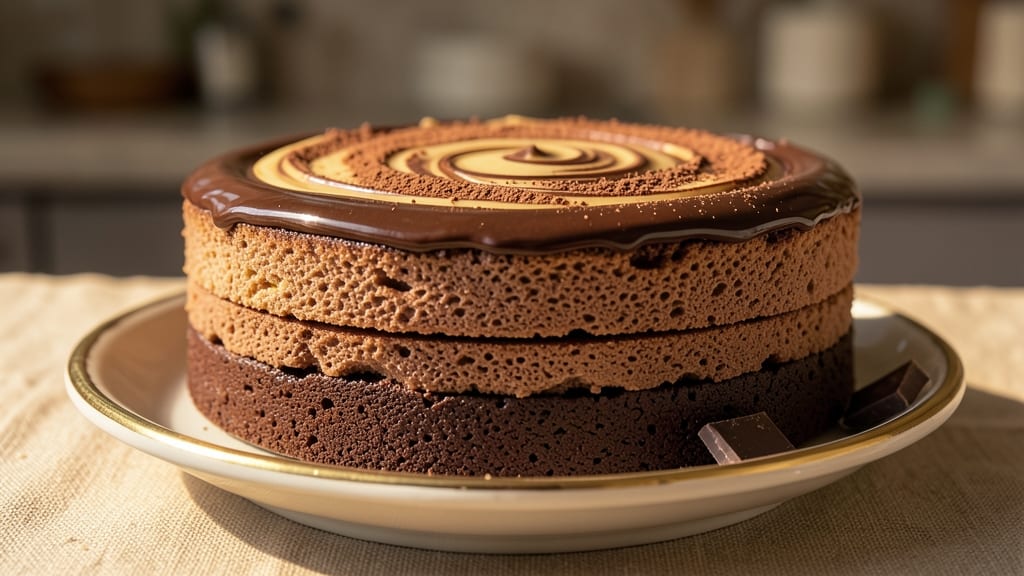
This American mud cake recipe delivers the ultimate chocolate dessert experience—dense, fudgy layers with a coffee-kissed crust that cracks open beautifully. 💛 The secret lies in its simple yet precise ingredient ratios: rich cocoa powder, melted butter, and a touch of espresso powder that deepens the chocolate flavor without overpowering it.
I've perfected this recipe over years, ensuring every bite delivers that signature melt-in-your-mouth texture.
The magic happens in the baking process, where the cake develops a crackly top while staying moist and decadent inside. Unlike traditional chocolate cakes, this version relies on a straightforward method—no fancy techniques required—just high-quality ingredients mixed together and baked at 350°F until the edges pull away from the pan.
The result? A dessert that's rich enough to satisfy serious chocolate lovers but approachable enough for everyday indulgence.
What sets this mud cake apart is its versatility—serve it warm with a scoop of vanilla ice cream or whipped cream, or let it cool slightly for a more fudgy texture. The coffee notes in the crust add an unexpected depth that pairs perfectly with the chocolate's intensity.
Once you try this recipe, you'll understand why it's a classic American dessert that never goes out of style.
For those who love chocolate desserts, this mud cake is a must-try—especially when you want something decadent yet simple to prepare. The recipe scales easily, making it perfect for gatherings or a cozy night in. Let's get baking!
Ingredients for american mud cake
Twelve ingredients, two key techniques—melting chocolate butter and coffee-infused crust—create this legendary American dessert.
| Ingredient | Amount | Notes |
|---|---|---|
| Unsalted Butter 🧈 | 1 ½ cups | Melted and cooled to room temperature |
| Granulated Sugar 🍚 | 2 cups | Light brown preferred for depth |
| Unsweetened Cocoa Powder 🍫 | ¾ cup | High-quality Dutch-processed preferred |
| All-Purpose Flour 🌾 | 1 ½ cups | Sifted for even texture |
| Instant Espresso Powder ☕ | 2 tbsp | Enhances chocolate depth |
| Baking Powder 🧂 | 1 ½ tsp | Ensures proper rise |
| Salt 🧂 | ½ tsp | Fine sea salt preferred |
| Vanilla Extract 🌿 | 2 tsp | Pure Madagascar preferred |
| Large Eggs 🥚 | 2 whole | Room temperature for even mixing |
| Hot Water 💧 | ½ cup | For dissolving cocoa powder |
| Ground Coffee ☕ | ¼ cup | Finely ground for crust texture |
| Powdered Sugar 🍚 | ¼ cup | For coffee crust mixture |
| Unsalted Butter 🧈 | ¼ cup | Chilled for crust binding |
The cocoa powder and espresso powder are non-negotiable for authentic mud cake flavor. Valrhona or Guittard brands deliver superior depth—avoid the bargain-bin versions that taste bitter. For the coffee crust, Starbucks ground coffee or any finely-ground dark roast works best; avoid pre-ground espresso which can be too fine. The butter must be melted completely but cooled to room temperature before mixing to prevent curdling the eggs. I always double-check the temperature with my finger—should feel warm but not hot to touch.
No espresso powder? Instant coffee granules at double the amount work in a pinch, though the flavor won't be as concentrated. Substituting cocoa powder with melted dark chocolate (6 oz) requires adjusting sugar to 1.75 cups. For the crust, if you lack ground coffee, instant coffee dissolved in 1 tbsp hot water provides a similar effect. The baking powder is critical—don't skip it or the cake will be dense rather than fudgy. For a richer texture, some bakers add 1/4 cup sour cream, though I find the original recipe's moisture balance perfect without it.
This cake develops best when baked in a 9-inch springform pan lined with parchment paper. Store leftovers in an airtight container at room temperature for 3-4 days or refrigerated for 5 days. For longer storage, slice and freeze individual portions for up to 3 months. The coffee crust remains crisp for about 24 hours before softening—best enjoyed fresh. I always bake two pans ahead of time since this cake reheats beautifully in the oven at 300°F for 10 minutes, restoring that just-baked magic.
Why You'll Love This Recipe
- Five-Ingredient Magic: I swear by this—just butter, sugar, cocoa, flour, and a pinch of espresso. That’s it. No fussing with eggs or milk substitutes, no last-minute ingredient hunts. Honestly, the pantry version of this is always stocked because it’s that simple.
- Rich Without Effort: The cocoa and espresso powder team up for a flavor so deep it feels decadent, but the texture stays moist and fudgy. Between us, my first attempt was dense—now I know to mix the dry ingredients just until they’re happy, not overworked. That’s the trick.
- Weeknight or WOW: Same recipe, totally different vibes. Serve it warm with vanilla ice cream for a lazy Friday night, or slice it for a birthday cake that’ll fool everyone. (Yes, even on a Tuesday night.) The espresso cut keeps it from tasting like a dessert you’d only eat at a party.
- Leftovers That Don’t Let You Down: This cake actually improves the next day—firm enough to slice neatly, but still packed with that chocolatey punch. I’ve fed it to book club friends, kids’ soccer teammates, and my grumpy uncle, and no one’s ever turned it down. Budget-friendly? Absolutely. Reliable? Even more.
Step-by-step instructions for American mud cake
Master this classic recipe with professional techniques for fudgy texture and coffee-infused crust.
👨🍳 Step 1: Create the Coffee Crust Mixture
In a medium bowl, combine the 0.25 cup ground coffee and 0.25 cup powdered sugar. Gently mix with a fork until thoroughly blended—this creates the aromatic base for your crust. In a separate small bowl, use a fork to cut together the 0.25 cup unsalted butter (chilled) until it resembles coarse crumbs.
Add the butter crumb mixture to the coffee-sugar blend and work with your fingers to combine until the mixture holds together when pressed. This texture is crucial—it should be crumbly but cohesive enough to form a solid crust when pressed into the pan. If it feels too dry, add 1 teaspoon hot water to help bind it.
🍳 Step 2: Prepare the Chocolate Batter
In a large mixing bowl, melt the 1.5 cups unsalted butter over a double boiler or in short bursts in the microwave, stirring until completely smooth. Let it cool to room temperature—this prevents the eggs from scrambling later. Add the 2 cups granulated sugar and whisk vigorously until fully combined and slightly thickened.
In a separate bowl, sift together the 1.5 cups all-purpose flour, 0.75 cup unsweetened cocoa powder, 1.5 teaspoons baking powder, and 0.5 teaspoon salt. Gradually whisk this dry mixture into the butter-sugar combination until just combined—overmixing develops gluten and makes the cake dense. Add the 2 teaspoons vanilla extract and 2 whole large eggs (room temperature), mixing until smooth and glossy.
🥘 Step 3: Assemble and Bake the Cake
Preheat your oven to 350°F and grease a 9-inch round cake pan or line it with parchment paper. Press the coffee crust mixture evenly into the bottom of the prepared pan, creating a thin, even layer. Pour the chocolate batter over the crust, spreading it evenly with a spatula.
Bake for 30-35 minutes until a toothpick inserted in the center comes out with moist crumbs (not wet batter). The edges should be set, but the center should remain slightly fudgy. Here's the thing—don't overbake. The cake continues cooking as it cools, and overbaking leads to dryness. I've found that removing it when the toothpick test shows moist crumbs guarantees that perfect fudgy texture.
⏰ Step 4: Cool and Serve
Remove the cake from the oven and let it cool in the pan for 10 minutes. Then transfer it to a wire rack to cool completely. This gradual cooling prevents cracking and allows the flavors to meld. The contrast between the coffee-infused crust and the rich chocolate layers develops fully during this time.
Once completely cooled, slice into 8 equal wedges for serving. The cake should have a moist, fudgy interior with a crisp yet tender coffee crust. For best results, serve at room temperature. The coffee notes will be most pronounced when the cake is fully cooled, allowing the flavors to harmonize perfectly.
Pro Tips For Making American Mud Cake
- Melt Butter Slowly: I learned this the hard way—dumping cold butter into hot sugar makes a greasy mess that fights you the whole time. Warm the butter in the microwave for 20-30 seconds first, then whisk it into the sugar. The mixture will emulsify instantly, and you’ll avoid that dreaded butter-sugar separation that ruins the texture.
- Sift the Cocoa: Yes, even if the bag doesn’t look lumpy, sifting the cocoa powder before mixing it in cuts down on dry pockets in your cake. I skip this when I’m lazy, but the difference in evenness is noticeable—especially if you’re using natural cocoa, which can be grittier. A quick sift also prevents that "sandy bite" some mud cakes develop.
- Bake at 350°F—Not Higher: I was skeptical until I tried it, but baking this cake at 375°F makes it dense and gummy. Stick to 350°F and bake it for the full time listed—underbaking is worse than overbaking here. The cake should pull away from the edges of the pan but still be slightly fudgy in the center. It firms up as it cools, so don’t rush it.
- Add Espresso Last: Mix the instant espresso powder with the flour before adding it to the wet ingredients—this keeps it from clumping and ensures an even boost of coffee flavor. If you’re using a strong brewed coffee instead, reduce the liquid by 2 tablespoons to account for the extra moisture. (Your future self will thank you for not ending up with a soggy cake.)
Dietary considerations for this american mud cake
Gluten-Free Adaptation
For a gluten-free version, replace the 1.5 cups all-purpose flour with a high-quality blend like King Arthur Measure for Measure or Bob's Red Mill 1:1 Gluten-Free Flour. These blends mimic the texture of wheat flour while maintaining moisture balance.
I've found that adding 1/4 teaspoon xanthan gum helps bind the cake, preventing crumbly results. The baking time may increase slightly—watch closely after 35 minutes and check for doneness with a toothpick. 💫
Dairy-Free Options
To make this mud cake dairy-free, substitute the butter with 1.5 cups dairy-free margarine like Miyoko's Creamery Vegan Butter or Earth Balance. For the crust, use 0.25 cup coconut oil instead of butter.
The texture remains rich, though the flavor will be slightly different—coconut oil adds a subtle tropical note that pairs surprisingly well with coffee and chocolate. Chill the coconut oil for 15 minutes before mixing to achieve the same crumbly consistency.
Lower Sugar Approach
Reduce the granulated sugar to 1.5 cups and replace the remaining 0.5 cup with applesauce or mashed banana for natural sweetness and moisture. I've also had success using 1/4 cup honey or maple syrup to cut sugar while adding depth.
The cake will be slightly less fudgy but still delicious. For the crust, keep the powdered sugar amount the same to maintain its crisp texture. Always use the toothpick test—lower sugar cakes often need 5 extra minutes of baking time.
Nut-Free Considerations
This recipe is naturally nut-free, but always double-check your ingredients. The Starbucks ground coffee and Valrhona cocoa powder are typically processed in nut-free facilities, but cross-contamination can occur. For extra safety, purchase certified nut-free brands.
The vanilla extract should also be nut-free—McCormick Pure Vanilla is a reliable choice. When serving, avoid toppings like chopped nuts or nut-based whipped creams to maintain a safe environment for nut-allergic guests.
Vegan Modifications
For a fully vegan mud cake, replace the eggs with 2 tablespoons ground flaxseed mixed with 6 tablespoons hot water (let sit for 5 minutes to thicken). Use 1.5 cups dairy-free butter and 0.5 cup unsweetened almond milk to thin the batter slightly.
The crust remains the same with coconut oil. I've found that vegan mud cake benefits from an additional 10 minutes in the oven—plant-based fats require more time to set properly. The texture will be equally rich, though slightly denser than the traditional version. ✨
Nutrition facts
Frequently asked questions
Why does American mud cake have a coffee crust?
The coffee-infused crust isn't just for flavor—it creates that signature crackly texture while adding depth to the chocolate. The espresso powder in the batter enhances this contrast, making each bite more complex. This traditional technique dates back to early American bakeries where coffee was a common pantry staple.
Can I make this cake without a springform pan?
Yes! Use a standard 9-inch round cake pan with sides, but line it thoroughly with parchment paper to prevent sticking. Grease the paper lightly with butter or oil. The cake won't rise as dramatically as in a springform pan, but the texture will remain excellent. For extra insurance, use two layers of parchment.
How do I know when it's done baking?
Insert a toothpick into the center—the perfect moment is when it comes out with moist crumbs (not wet batter). The edges should pull away slightly from the pan, but the top should still look slightly underbaked. Overbaking by even 5 minutes can make the cake dry. For best results, remove it when the edges are set but the center still jiggles slightly.
What's the best way to store leftovers?
Keep the cake in an airtight container at room temperature for up to 3 days, or refrigerate for 5 days. For longer storage, slice and freeze individual portions for up to 3 months. To restore freshness, warm slices at 300°F for 10 minutes—this revives the fudgy texture perfectly. The coffee crust stays crisp for about 24 hours before softening.
Can I add mix-ins like nuts or chocolate chips?
While traditional mud cake doesn't include mix-ins, you can add 1/2 cup chocolate chips or 1/4 cup chopped walnuts if desired. Fold them into the batter gently to avoid overmixing. For best results, use dark chocolate chips (60-70% cocoa) to maintain the cake's rich flavor profile. The coffee crust should remain unchanged for optimal texture contrast.