
Desserts
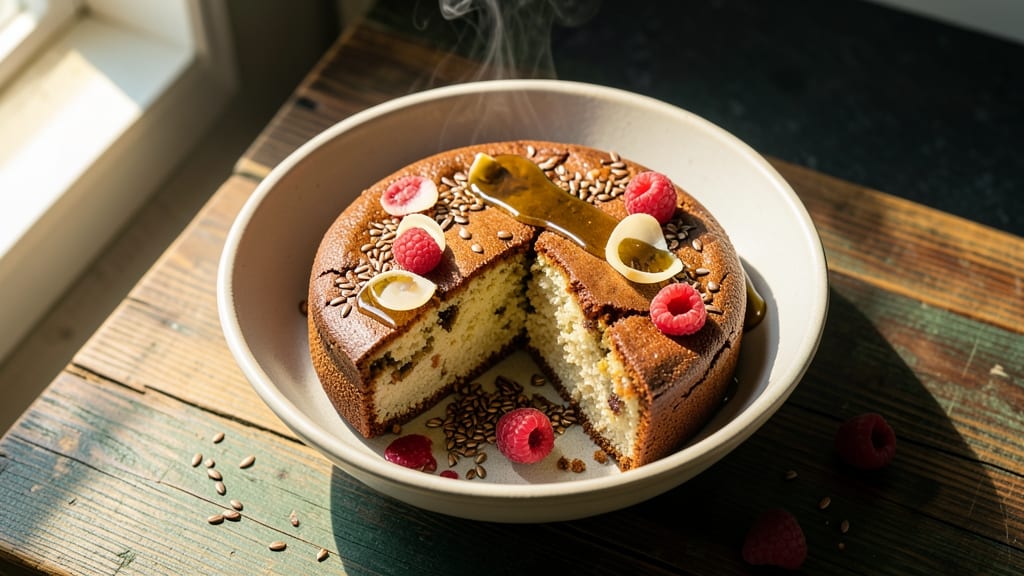
Amaranth cake delivers the perfect gluten-free alternative with its nutty flavor and moist crumb—no dryness here. This recipe harnesses the power of amaranth flour, a protein-rich grain that creates a naturally dense yet tender texture, making it ideal for those avoiding gluten or seeking a nutrient-packed dessert.
The secret lies in proper hydration and gentle mixing to preserve its unique chewiness.
What sets this cake apart is its foolproof technique that ensures a consistently moist result, even without dairy or eggs. The amaranth flour absorbs liquid differently than wheat flour, so we balance it with applesauce and flaxseed for structure and richness.
Every bite offers a subtle nutty depth that pairs beautifully with vanilla or citrus notes.
By the time you pull this cake from the oven, you'll have a golden, fragrant loaf with a tender crumb that stays moist for days. The natural sweetness of amaranth shines through without needing excessive sugar, making it perfect for health-conscious bakers who still crave indulgence.
Top with fresh berries or a dusting of powdered sugar for an elegant finish.
This recipe scales beautifully for special occasions or everyday treats, and the leftovers reheat perfectly. Whether you're baking for dietary needs or simply exploring gluten-free grains, this amaranth cake proves that nutritious desserts can be just as satisfying as traditional ones. Let's get baking!
Ingredients for amaranth cake
Gluten-free baking just got easier with these nutrient-packed ingredients for your amaranth cake.
| Ingredient | Amount | Notes |
|---|---|---|
| Amaranth Flour 🌾 | 2 cups | Protein-rich, gluten-free flour |
| Unsweetened Applesauce 🍎 | 1 cup | For moisture and binding |
| Ground Flaxseed 🌱 | ½ cup | Mixed with water for egg substitute |
| Pure Maple Syrup 🍯 | ¾ cup | Natural sweetener, not refined |
| Extra-Virgin Olive Oil 🫒 | ½ cup | For richness and moisture |
| Vanilla Extract 🌸 | 1 tbsp | Pure, high-quality vanilla |
| Baking Powder 🧂 | 1 tsp | Gluten-free baking powder |
| Salt 🧂 | ½ tsp | Fine sea salt preferred |
| Almond Milk 🥛 | 1 cup | Unsweetened, for hydration |
| Lemon Zest 🍋 | 1 tbsp | Freshly grated lemon peel |
| Fresh Blueberries 🫐 | 1 cup | Optional topping, washed |
| Powdered Sugar 🍬 | ¼ cup | For dusting, optional |
Amaranth flour is the star here—look for Bob's Red Mill or Anthony's Goods for the best quality. It's pricier than regular flour, but the nutty flavor and protein boost make it worth it. If you can't find it, Bob's Red Mill gluten-free 1:1 flour works in a pinch, though texture won't be identical. Fresh blueberries? Trader Joe's has the best organic ones at a reasonable price. For the flaxseed, ground flaxseed meal from the bulk section is ideal—just don't use whole seeds. The maple syrup should be 100% pure, no fillers, and Green Mountain Maple is my go-to for that rich flavor.
No applesauce? Mashed banana or pumpkin puree works at the same amount—just adjust sweetness to taste. Running low on almond milk? Oat or soy milk are great swaps, but avoid rice milk as it can make the cake gummy. The lemon zest can be zested from two small lemons or one large one—just avoid the bitter white pith. For the vanilla, Madagascar Bourbon is my favorite, but imitation will work if that's all you've got. If you're feeling fancy, add a pinch of cardamom to the batter for a sophisticated twist. The powdered sugar topping is optional, but it adds that bakery-style finish that everyone loves.
This cake keeps beautifully—wrap tightly in plastic wrap and store at room temperature for 3 days, or refrigerate for 5 days if you want it to last longer. For freezing, slice it first and store in an airtight container for up to 3 months. I like to portion it into single servings before freezing so I can grab one whenever I want a treat. Reheat slices in the microwave for 10-15 seconds to bring back that fresh-from-the-oven warmth. The blueberries will keep their color best if you toss them with a tiny bit of flour before baking—just a teaspoon or two.
Why You'll Love This Recipe
- No Mixer Needed: I swear by this recipe when my hands are full—just stir, pour, and bake. The amaranth flour blends like a dream with applesauce (no dry lumps!), and the flax egg keeps it light without extra fuss.
- Maple-Glazed Richness: That first bite? Pure comfort—caramel notes from the maple syrup balanced by the nutty depth of amaranth. The olive oil adds a silky texture that makes it feel indulgent, not health-obsessed.
- Packable for Days: Between us, this cake holds up better than most. Slice it into muffins for grab-and-go breakfasts or stash it in the fridge for a midweek treat. The applesauce keeps it moist for actual leftovers, not just sad crumbs.
- Pantry Staple Magic: Honestly, I keep these ingredients on hand just for this. Amaranth flour is shelf-stable, flaxseed is cheap, and you’re already using olive oil—no extra shopping trips. It’s my go-to when I need something reliable that doesn’t skimp on flavor.
Step-by-step instructions for gluten-free amaranth cake
This cake delivers rich texture and perfect moisture every time—no gluten, no compromise.
Prepare the Flax Egg Substitute
In a small bowl, combine the 0.5 cup ground flaxseed with 0.5 cup almond milk. Stir vigorously and let sit for 10 minutes until it thickens into a gel-like consistency—this is your egg substitute. The flax mixture should look like a pudding when fully thickened, not runny. This step is crucial for binding our gluten-free flour.
While you wait, preheat your oven to 350°F. Grease an 8-inch round cake pan or line it with parchment paper for easy removal. I like to use a light coating of olive oil and dust with a bit of amaranth flour to prevent sticking. The hot oven will be ready just as your flax egg is set.
Mix Wet and Dry Ingredients Separately
In a large mixing bowl, whisk together the 0.5 cup extra-virgin olive oil, 0.75 cup pure maple syrup, 1 tbsp vanilla extract, and 1 tbsp lemon zest. The lemon zest adds a bright citrus note that cuts through the richness of the olive oil and maple syrup. Mix until fully combined—you should see a smooth, glossy liquid.
In a separate bowl, sift together the 2 cups amaranth flour, 1 tsp baking powder, and 0.5 tsp salt. Sifting prevents lumps and ensures even distribution of leavening. The amaranth flour has a fine, nutty texture that works beautifully when properly incorporated.
Combine Wet and Dry Mixtures
Gradually add the dry ingredients to the wet mixture, mixing on low speed with an electric mixer or by hand with a spatula. Start slow to avoid developing gluten—we want a tender crumb, not a dense one. After combining, gently fold in the 1 cup unsweetened applesauce and the thickened flax egg mixture.
For the blueberries, if using, gently fold them in last using a spatula to avoid crushing. You want them to stay intact for bursts of juicy flavor in each bite. The batter should be thick but pourable—if it's too stiff, add 1-2 tablespoons almond milk to loosen it slightly.
Bake to Golden Perfection
Pour the batter into your prepared cake pan and smooth the top with a spatula. Tap the pan gently on the counter to remove any air bubbles. Bake in the preheated 350°F oven for 35-40 minutes, or until a toothpick inserted in the center comes out clean. The edges should be golden brown while the top remains slightly springy to the touch.
Real talk: Amaranth cakes can dry out if overbaked, so start checking at the 30-minute mark. The cake is done when it pulls away from the sides of the pan and has a firm yet moist interior. Let it cool in the pan for 10 minutes, then transfer to a wire rack to cool completely before slicing.
Dust and Serve
Once fully cooled, dust the top with 0.25 cup powdered sugar using a fine-mesh sieve for an elegant finish. The powdered sugar adds a delicate sweetness that complements the natural flavors of the cake. For extra flair, you can also drizzle with a simple glaze made from 2 tablespoons maple syrup and 1 tablespoon almond milk, thinned and brushed over the top.
Slice into 8 equal portions and serve with a dollop of whipped coconut cream or fresh berries. This cake keeps well at room temperature for 3 days or can be refrigerated for up to 5 days. The moist texture comes from the combination of applesauce and olive oil—trust the process, and you'll get that perfect gluten-free crumb every time.
Pro Tips For Making Amaranth Cake
- Whisk the Flaxseed: DESCRIPTION: Mix the ground flaxseed with 3 tablespoons of hot water first—let it sit for 5 minutes until it turns gel-like. I learned this the hard way: dry flaxseed just sits there like sand in your batter, and the cake ends up dense instead of tender.
- Preheat Pan and Oven: DESCRIPTION: Get your 8-inch pan and oven to 350°F before you start mixing. Amaranth flour loves heat, and skipping this step means your edges won’t set properly—you’ll end up with a gummy, uneven cake. Trust me, the extra 10 minutes saves you from scrapping a batch.
- Measure Applesauce Cold: DESCRIPTION: Scoop the unsweetened applesauce straight from the fridge—it’s thicker and won’t thin out your batter like room-temperature sauce will. I used to eyeball it, and the cake would turn out too wet and sink in the middle. Cold applesauce keeps everything balanced.
- Olive Oil, Not Shortcut: DESCRIPTION: Use the full ¼ cup of extra-virgin olive oil—don’t swap for neutral oil or butter. Amaranth’s earthy flavor needs that rich, fruity fat to shine, and it keeps the crumb moist without making the cake greasy. I know it sounds indulgent, but it’s the thing that matters most.
Troubleshooting great amaranth cake
Dry Batter Too Stiff
Amaranth flour absorbs moisture differently than wheat flour, so if your batter feels too thick, don’t panic. The fix is simple: add 1-2 tablespoons almond milk at a time while gently folding with a spatula.
Mix just until combined—overmixing introduces gluten-like proteins that can make the cake dense. If you’re using blueberries, fold them in last to avoid crushing, which releases excess moisture. 💧
Cake Stays Dense
The most common reason for a dense amaranth cake is overmixing or insufficient leavening. First, ensure your baking powder is fresh—old baking powder loses potency. Second, mix the wet and dry ingredients just until combined on low speed.
For extra lift, whisk the 1 cup applesauce vigorously before adding it to the batter. Also, avoid opening the oven door during the first 25 minutes of baking to prevent collapsing. 🌬️
Overly Dry Texture
If your cake turns out dry, it’s likely overbaked or the oven temperature wasn’t accurate. Amaranth cakes are delicate—pull them out when a toothpick comes out with moist crumbs, not completely clean. For extra moisture, brush the warm cake with 2 tablespoons maple syrup while still in the pan.
If storing, wrap tightly in plastic wrap and refrigerate for up to 5 days to preserve moisture. 🍯
Cracked Top
Temperature fluctuations cause cracks, especially in gluten-free baking. Ensure your oven is fully preheated to 350°F before adding the cake. If your pan isn’t large enough, the batter may overflow and crack.
For an 8-inch round pan, fill it ¾ full to prevent spillage. Also, avoid placing the cake on the top rack—middle rack ensures even heat distribution. 🔥
Flax Egg Not Thickening
If your flax egg substitute doesn’t gel properly, it’s usually due to insufficient mixing or old flaxseed. Measure 0.5 cup ground flaxseed precisely and whisk vigorously with 0.5 cup almond milk for at least 1 minute before letting it sit.
For extra insurance, place the bowl in the fridge for 5 minutes to speed up thickening. If it’s still runny, add 1 teaspoon more flaxseed and let it sit another 5 minutes. 🌱
Blueberries Sinking
To keep blueberries evenly distributed, toss them in 1 teaspoon flour before folding into the batter. This creates a light coating that helps them stay suspended. Alternatively, fold them in just before baking so they rise with the cake.
If they sink excessively, reduce the amount to ½ cup or omit them entirely—this cake shines even without fruit. 🫐
Nutrition facts
Frequently asked questions about amaranth cake
Why does amaranth cake need applesauce?
The applesauce serves three key purposes: it adds moisture to balance amaranth flour's dryness, provides natural sweetness without refined sugar, and helps create that signature tender crumb. Without it, the cake would turn out dense and dry. For a variation, you could substitute with mashed banana or pumpkin puree at the same ratio.
Can I make this cake without flaxseed?
Yes! If you don't have flaxseed, use 0.5 cup chia seeds mixed with 0.5 cup water (let sit 10 minutes) or 1 tbsp ground psyllium husk per 0.5 cup liquid. For egg-free baking, you could also try 1 ripe banana mashed as a binder, though it adds natural sweetness. The key is maintaining the same thickening effect.
How do I store leftovers to keep them moist?
Wrap cooled cake tightly in plastic wrap and store at room temperature for 3 days, or refrigerate for 5 days for maximum freshness. For longer storage, slice and freeze portions in airtight containers for up to 3 months. To revive, microwave slices for 10-15 seconds or warm in a 300°F oven for 5 minutes.
What's the best way to add chocolate to this recipe?
For a rich chocolate version, replace 0.25 cup amaranth flour with 0.25 cup unsweetened cocoa powder and add 2 tablespoons melted dark chocolate to the wet ingredients. Fold in 0.5 cup dairy-free chocolate chips at the end for pockets of melted chocolate. Use a 70% dark chocolate for best flavor balance with the nutty amaranth.
Can I use this recipe for cupcakes?
Divide the batter evenly among 12 lined cupcake tins and bake at 350°F for 18-22 minutes until a toothpick comes out clean. For extra height, fill cups ¾ full and bake on the middle rack. Top with dairy-free frosting or a sprinkle of crushed nuts for texture contrast. The cupcake version works particularly well with the blueberry variation!