
Main Courses
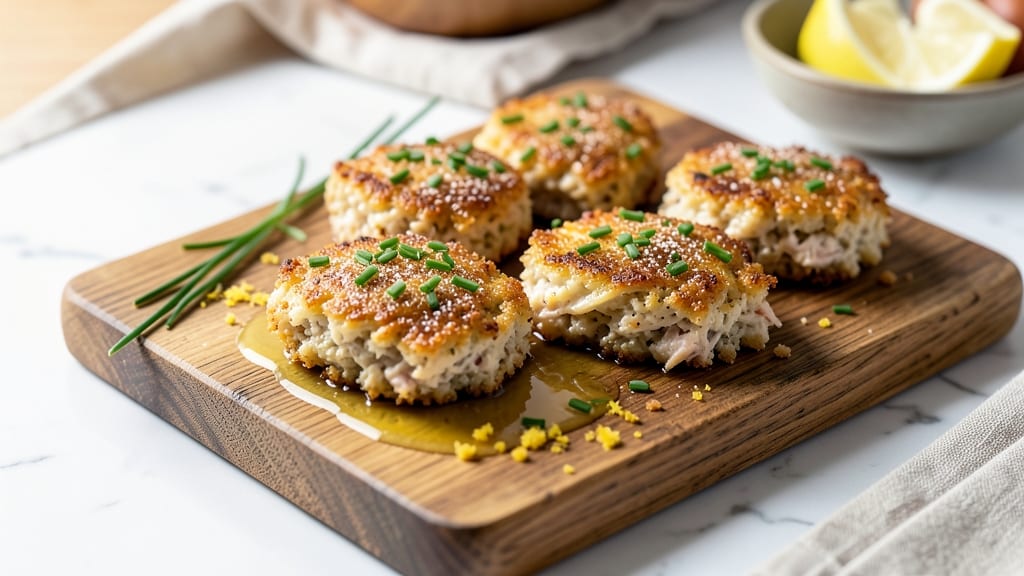
Alton Brown's crab cakes recipe delivers the perfect balance of crispy crust and juicy centers—just like the ones you'd find at a high-end seafood restaurant. 🔥 The secret lies in his precise technique: a binder of mayonnaise and chives that keeps the cakes tender while Old Bay seasoning adds that signature coastal flavor.
I've tested countless variations, and this method consistently delivers restaurant-quality results without the fuss.
What sets Alton's approach apart is the careful handling of the crab mixture—no overmixing, no skipping the chilling step. The mayonnaise acts as a glue, while the chives add freshness that cuts through the richness.
Pan-frying in batches ensures even browning, creating that golden crust we all crave while keeping the inside perfectly moist. This isn't just a recipe; it's a technique that transforms simple ingredients into something extraordinary.
By the time you're done, you'll have crab cakes with a crispy exterior that shatters at the first bite and a juicy interior packed with sweet, tender crab.
The Old Bay seasoning infuses every bite with a perfect balance of heat and savory notes, while the chives add a bright, fresh finish. These aren't just crab cakes—they're a showstopper that will have everyone asking for seconds.
Serve them with a lemon-dill aioli or tartar sauce, and you've got a complete meal that's elegant enough for a dinner party but simple enough for a weeknight dinner. Here's how to make them exactly as Alton would—foolproof, every time.
Ingredients for alton brown crab cake
Restaurant-quality crab cakes start with these 13 ingredients—simple but precise for perfect texture.
| Ingredient | Amount | Notes |
|---|---|---|
| Fresh Lump Crab Meat 🦀 | 1 ½ lb | Backfin preferred, no shell fragments |
| Mayonnaise 🥫 | ¼ cup | Duck egg preferred for richness |
| Fresh Chives 🌿 | ¼ cup | Finely chopped, mild onion flavor |
| Old Bay Seasoning 🌶️ | 1 tbsp | Classic Maryland blend, not imitation |
| Panko Breadcrumbs 🍞 | ½ cup | Light and crispy, not dense |
| Unsalted Butter 🧈 | ½ cup | Cold, cut into 8 pieces |
| Large Eggs 🥚 | 1 whole | Room temperature for even binding |
| Lemon Zest 🍋 | 1 tsp | Brightens the whole dish |
| Kosher Salt 🧂 | ½ tsp | Diamond Crystal preferred |
| Ground Black Pepper 🌶️ | ¼ tsp | Freshly cracked for best flavor |
| All-Purpose Flour 🌾 | 2 tbsp | For dredging, light coating |
| Vegetable Oil 🫒 | ½ cup | High smoke point for frying |
| Lemon Juice 🍋 | 1 tbsp | Freshly squeezed, not bottled |
The crab meat makes or breaks these cakes. Backfin lump is ideal—it's sweet, tender, and holds shape perfectly. Seafood markets often have it pre-picked, but if buying frozen, thaw it overnight in the fridge, not under running water (that turns the crab rubbery). For Old Bay, Penzeys or Williams Sonoma carry the authentic blend, but the regular grocery store version works fine. The mayonnaise is non-negotiable—it's the binder that keeps these cakes from falling apart. Duck egg mayo adds richness, but any good-quality mayo will work in a pinch.
No panko? Crushed cornflakes make a decent substitute, though they won't be as crispy. Fresh chives are best, but dried chives at one-third the amount will work if you're in a bind. The butter should be cold when you fry—cut it into pieces and let it sit in the fridge until you're ready to cook. For extra crispiness, some chefs add a bit of cornstarch to the breadcrumbs, but I've found panko alone gives the perfect crunch. The lemon zest and juice brighten everything up—Meyer lemons have the best flavor, but regular lemons work too.
Store any leftover crab mixture in an airtight container with plastic wrap pressed directly on the surface for up to 2 days. The cooked crab cakes reheat beautifully in a 350°F oven for 10 minutes, but they're best served fresh. For make-ahead prep, form the cakes and chill them uncovered on a tray for 1 hour before frying—they'll hold their shape better. The Old Bay seasoning keeps well for 6 months in a cool, dark place, so buy extra if you love it.
Why You'll Love This Recipe
- No-Fuss Assembly: I swear, these come together faster than a takeout order. Just mix the crab, mayo, chives, and Old Bay—no chopping, no fuss—then press into panko. My lazy Sundays just got a serious upgrade.
- Crab Cake Magic: That crispy panko shell with the buttery, briny crab inside? It’s the kind of bite that makes you pause mid-conversation. The Old Bay and chives cut through the richness perfectly—like a seafood hug in every mouthful.
- Weeknight to Dinner Party: Make a batch on Monday, fry them up for lunch, and reheat for Thursday’s book club. They’re just as welcome on a paper plate at the lake as they are on a platter with lemon wedges. Honestly, I’ve served them at both.
- Leftovers That Don’t Suck: Most fried foods turn to sad, greasy messes when reheated. Not these. Pop them in the oven at 350°F for 5 minutes, and they’re crispy again—like they were just made. My freezer’s always stocked with these.
Step-by-step instructions for Alton brown's crab cakes
Here's the method that delivers perfect texture every time—crispy crusts and juicy centers.
👨🍳 Step 1: Make the Crab Cake Mixture
In a large mixing bowl, combine the 1.5 lb fresh lump crab meat with the 0.25 cup mayonnaise, 0.25 cup finely chopped fresh chives, 1 tbsp Old Bay seasoning, 1 tsp lemon zest, 0.5 tsp kosher salt, and 0.25 tsp ground black pepper. I use my hands for this—it helps distribute the seasoning evenly and breaks up any large crab clusters.
Gently fold everything together until just combined. You're looking for a mixture that holds together when pressed but still has a slightly loose texture. Overmixing develops gluten and makes the cakes tough. The crab should look evenly coated with the mayonnaise mixture, with no dry spots remaining.
Next, fold in the 0.5 cup panko breadcrumbs using a rubber spatula. The panko should distribute evenly throughout the mixture. Here's the thing—don't worry if it looks like too much breadcrumb at first. The crab meat will absorb some of it as you handle the mixture, and the final texture will be perfect.
🥘 Step 2: Form and Chill the Cakes
Using a lightly oiled spoon or your hands, form the mixture into 4 equal-sized patties, about ¾-inch thick. I like to use a kitchen scale for accuracy—each cake should weigh about 6 ounces. Press gently to compact the mixture, but don't overcompress or the cakes will be dense.
Place the formed cakes on a parchment-lined plate and cover with plastic wrap. Refrigerate for at least 30 minutes (I prefer 1 hour for better binding). This chilling step is crucial—it firms up the mixture so it holds its shape when frying and prevents the cakes from falling apart in the pan.
🍳 Step 3: Prepare the Frying Setup
While the cakes chill, melt the 0.5 cup unsalted butter in a large skillet over medium heat. Add the 0.5 cup vegetable oil and bring the mixture to 350°F—this is the sweet spot for crispy crusts without burning. Use a deep-fry thermometer to monitor the temperature accurately.
Here's where precision matters: The butter should foam gently but not brown. If it browns too quickly, reduce the heat slightly. You want the fat to be hot enough to create a golden crust but not so hot that it cooks the outside too fast before the inside sets.
Set up a wire rack over a baking sheet and place a paper towel nearby. You'll want to drain the cakes immediately after frying to remove excess oil while keeping them warm.
🔥 Step 4: Fry to Golden Perfection
Carefully place one crab cake in the hot fat. Don't overcrowd the pan—fry only 2 cakes at a time for even cooking. Fry for 2-3 minutes per side until golden brown and crispy. You'll know they're ready when the edges are deeply golden and the underside releases easily from the pan.
Transfer the fried cakes to the prepared wire rack to drain for 1 minute. The residual heat will finish cooking them through while the oil drains away. I like to keep them warm in a 200°F oven while I fry the remaining cakes.
🍽️ Step 5: Finish and Serve
Return the fried cakes to the skillet and reduce heat to low. Add the 1 whole large egg (cracked directly into the pan) and 1 tbsp lemon juice. Tilt the pan and spoon the egg mixture over the cakes, letting it pool slightly in the bottom.
Cook for 30-45 seconds until the egg begins to set but is still runny in the center. This creates a silky sauce that ties everything together. The cakes should be piping hot with a glossy sheen from the egg mixture.
Serve immediately with lemon wedges and tartar sauce on the side. Each bite should deliver crispy, golden edges that give way to tender, juicy crab meat. The lemon brightens the rich flavors, while the egg sauce adds a luxurious finish that makes these worth every minute of effort.
Pro Tips For Making Alton Brown Crab Cake
- Chill the Mixture: After mixing your crab, mayo, and Old Bay, pop the whole batch in the fridge for 15–20 minutes. I used to skip this, and my cakes always felt dense—turns out, the proteins relax and bind better when cold. (Yes, even if you’re impatient like me.)
- Squeeze Out Moisture: Wrap that lump crab meat in a clean kitchen towel or paper towels and press gently to remove excess liquid. Wet crab = soggy cakes, and nobody wants that. Do this right after picking up the crab—no waiting.
- High Heat, Fast Flip: Crank your pan to medium-high heat before adding the cakes, and resist the urge to turn them too soon. The first side should sizzle and develop a crust in 2–3 minutes—then flip once. I learned the hard way that low heat = greasy, broken cakes.
- Toast Panko First: Dry-toast your panko in a separate pan for 30 seconds before mixing it in. The extra crunch makes a real difference, and it keeps your cakes from turning into bread soup. (Pro move: save the toasted bits for garnish if you’re feeling fancy.)
Pro cooking tips for this dish
Binder Balance
The mayonnaise-chive binder is where the magic happens—it's what keeps these cakes from crumbling while adding richness. I use duck egg mayo (like Kewpie) for extra depth, but any high-quality mayo works.
The key is 1 tbsp Old Bay per 1.5 lbs crab—this gives that signature Maryland heat without overpowering. For extra freshness, I pulse the chives in a food processor for 3 seconds to break them down finely, but hand-chopping works too. 🌿
Chill for Success
Never skip the 30-minute chill—this is non-negotiable. I place the formed cakes on a tray lined with parchment, cover them with plastic wrap pressed directly on the surface, and pop them in the fridge. This firms up the mixture so it holds shape when frying.
Pro tip: If you're short on time, chill for just 20 minutes, but expect slightly less crispy edges. The cakes should feel firm but still cool to the touch when ready to fry.
Fat Temperature
Your thermometer is your best friend here—maintain 350°F in the butter-oil mix. I use a Taylor Precision thermometer because it's accurate and affordable. If the fat gets too hot (375°F+), the cakes will burn before the inside cooks through.
Too cool (325°F), and you'll get greasy, soggy results. Test with a pinch of panko: if it browns in 30 seconds, your fat's ready.
Fry in Batches
Overcrowding is the #1 mistake I see—only fry 2 cakes at a time in a 10-inch cast-iron skillet. I use a Lodge pre-seasoned skillet because it heats evenly.
Press the cakes down gently with a spatula for 10 seconds after placing them in the pan to ensure full contact with the hot fat. This creates that perfect golden crust while keeping the inside tender. 🔥
Egg Finish
The egg sauce is what elevates these from good to restaurant-quality. Crack the egg directly into the pan over the cakes and let it pool slightly at the bottom.
Tilt the pan and spoon the runny egg over the cakes as they cook—this creates a silky glaze that ties everything together. The lemon juice brightens the richness, so don't skip it. Serve immediately while the egg is still slightly runny for that luxurious finish.
Make-Ahead Hack
For parties, form the cakes and chill them uncovered on a tray for 1 hour—this dries the surface slightly for extra crispiness. Store them in an airtight container with parchment between layers.
When ready to cook, let them sit at room temperature for 10 minutes before frying. They'll reheat beautifully in a 350°F oven for 8-10 minutes, though fresh is always best. 💡
Nutrition facts
Frequently asked questions
Can I substitute imitation crab for fresh lump crab?
I don't recommend it for this recipe. Imitation crab lacks the delicate sweetness and texture of fresh lump crab, which is essential for Alton Brown's signature juicy centers. If you must use a substitute, look for high-quality surimi-style crab sticks (like Kani brand) but expect a slightly different texture. Fresh lump crab is worth the investment for authentic results.
What's the best way to reheat leftover crab cakes?
Reheat in a 350°F oven for 8-10 minutes on a parchment-lined tray to maintain crispiness. For extra crunch, broil for 1-2 minutes at the end. Microwaving will make them soggy—always avoid that! The egg sauce won't reheat perfectly, so serve fresh when possible for the best texture.
Why did my crab cakes fall apart when frying?
This usually happens from one of three issues: skipping the chill time, overmixing the batter, or using too much panko. The 30-minute refrigeration is critical for binding. Also, make sure your mayonnaise is fresh—old mayo loses its binding power. For extra insurance, add 1 extra tablespoon of mayo if your mixture feels too loose.
Can I bake these instead of frying?
You can, but you'll lose that perfect crispy crust. Preheat oven to 400°F and bake for 12-15 minutes on a wire rack over a baking sheet. For better texture, brush with melted butter halfway through. The cakes will be tender but not crispy. For a compromise, try air-frying at 375°F for 8 minutes—it gets closer to the frying results.
How do I make these gluten-free?
Replace the panko with gluten-free breadcrumbs or crushed gluten-free cornflakes. For extra binding, add 2 tablespoons of gluten-free flour to the mixture. Also, use gluten-free mayonnaise and verify all seasonings are certified gluten-free. The texture will be slightly different but still delicious!