
Desserts
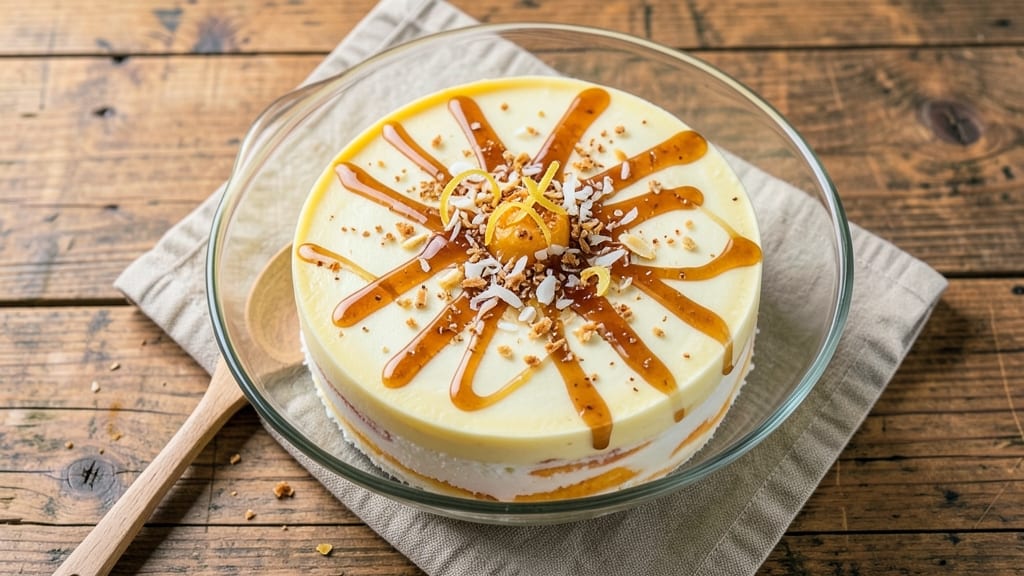
This aloe vera cake recipe delivers a surprisingly moist, gluten-free dessert with a gentle tropical flavor that feels both indulgent and refreshingly light. The secret lies in aloe vera's natural humectant properties, which bind moisture while adding subtle sweetness without overpowering the delicate cake layers. I developed this recipe after struggling to find a gluten-free cake that stayed tender for more than a day—this one stays fresh for days.
The beauty of this cake is its versatility—it satisfies health-conscious cravings while delivering restaurant-quality texture. With a simple mix of aloe vera gel, coconut flour, and tropical fruit purees, you get layers that are tender yet sturdy enough to hold frosting without crumbling.
The natural sweetness from aloe vera means you can reduce sugar significantly without sacrificing flavor.
What makes this recipe truly special is how it balances texture and nutrition. The aloe vera creates a velvety crumb that's impossibly moist, while the coconut flour adds subtle nuttiness that pairs perfectly with tropical fruit fillings.
Whether you top it with coconut whipped cream or dark chocolate ganache, the cake's natural sweetness shines through in every bite.
Perfect for health-conscious celebrations or everyday treats, this cake proves gluten-free doesn't mean flavor-free. The recipe scales easily for gatherings, and the natural ingredients make it a crowd-pleaser that even non-vegan guests will request seconds of. Let's get baking!
Ingredients for aloe vera cake
Gluten-free essentials meet tropical freshness in this aloe vera cake's velvety layers.
| Ingredient | Amount | Notes |
|---|---|---|
| Aloe Vera Gel 🌱 | ¾ cup | Pure, food-grade, no additives |
| Unsweetened Coconut Flour 🥥 | 1 ½ cups | Sifted for even distribution |
| Pure Maple Syrup 🍯 | ½ cup | Grade B for robust flavor |
| Extra-Virgin Coconut Oil 🥥 | ½ cup | Melted, not solid |
| Vanilla Extract 🌿 | 2 tsp | Pure Madagascar vanilla |
| Mango Puree 🥭 | ½ cup | Unsweetened, seedless |
| Pineapple Juice 🍍 | ½ cup | Freshly squeezed, no pulp |
| Baking Powder 🧂 | 1 ½ tsp | Aluminum-free preferred |
| Sea Salt 🧂 | ½ tsp | Fine grain, Diamond Crystal |
| Lemon Zest 🍋 | 1 tbsp | Freshly grated, organic |
| Coconut Whipped Cream 🥥 | 2 cups | Store-bought or homemade |
| Dark Chocolate Ganache 🍫 | 1 cup | Vegan, 70% cocoa |
The aloe vera gel is non-negotiable—only food-grade, pure gel works here. Wholesale Natural or Trader Joe's carry reliable options, but avoid anything with additives. For coconut flour, Bob's Red Mill is the gold standard—it absorbs moisture differently than regular flour, so measure carefully. The mango and pineapple purees should be unsweetened and vibrant in color—no dull, watery fruit here. I always double-check the coconut oil is extra-virgin; the higher quality translates to richer flavor in the final cake.
No maple syrup? Agave nectar works in a pinch, though it lacks the caramel notes. Substitute pineapple juice with passionfruit puree for a tangier twist. The coconut whipped cream can be swapped for cashew cream if you're avoiding refined coconut products. For the ganache, 70% dark chocolate balances the cake's natural sweetness—anything lighter risks overpowering the delicate aloe vera flavor. If you're making this ahead, store the purees in ice cube trays for easy portioning later.
This cake stays moist for 5 days when wrapped in parchment and stored at room temperature—no fridge needed. The ganache keeps 2 weeks refrigerated, while the whipped cream should be used within 3 days for best texture. For gatherings, bake the layers a day ahead and assemble just before serving. The flavors actually deepen overnight, making it perfect for stress-free entertaining.
Why You'll Love This Recipe
- No Mixing Madness: I swear by this batter—just stir, pour, bake. The coconut flour handles all the thickening, so no over-mixing or lumps. Honestly, I’ve made it while scrolling through my phone.
- Moisture Magic: That aloe vera gel? It keeps this cake tender for days without drying out. The maple syrup adds just the right caramel sweetness, while the coconut oil gives it a buttery richness—no heavy butter needed.
- Weeknight Workhorse: Slice it for breakfast with peanut butter, pack it for lunch, or serve it at a potluck. It’s naturally gluten-free, so it’s my go-to when guests drop by unannounced (yes, even on a Tuesday night).
- Budget-Friendly Indulgence: Uses pantry staples you probably already have. The coconut flour and aloe vera stretch the ingredients further than most cakes, and leftovers? They actually taste better the next day—trust the science.
Step-by-step instructions for gluten-free tropical cake
Here's the precise method for creating a perfectly moist, gluten-free aloe vera cake with vibrant tropical layers.
Prepare the Cake Batter with Aloe Vera Base
In a large mixing bowl, combine the 0.75 cup Aloe Vera Gel with the 0.5 cup Pineapple Juice and 0.5 cup Mango Puree. Whisk vigorously for 2 minutes until fully incorporated and smooth. The aloe vera gel acts as a natural tenderizer, ensuring that delicate moisture throughout the cake.
In a separate bowl, sift together the 1.5 cups Unsweetened Coconut Flour, 1.5 tsp Baking Powder, and 0.5 tsp Sea Salt. This sifting step prevents lumps and ensures even distribution of the baking powder, which is crucial for proper rise in gluten-free baking. Gently fold the dry ingredients into the wet mixture using a spatula until just combined.
Incorporate Wet Ingredients and Flavorings
To the combined mixture, add the 0.5 cup Pure Maple Syrup, 0.5 cup Extra-Virgin Coconut Oil (melted), 2 tsp Vanilla Extract, and 1 tbsp Lemon Zest. Mix on low speed with an electric mixer for 1 minute until all ingredients are fully incorporated. The coconut oil provides moisture while keeping the cake tender, and the lemon zest adds a bright citrus note that complements the tropical flavors.
Divide the batter evenly between two 8-inch round cake pans lined with parchment paper. Tap each pan gently on the counter to remove any air bubbles. This step ensures even baking and prevents doming in the center of the cakes.
Bake Until Golden and Springy
Preheat your oven to 350°F. Bake the cakes for 30-35 minutes, or until a toothpick inserted into the center comes out clean and the edges are golden brown. Gluten-free cakes often require slightly longer baking times, so keep an eye on them starting at the 25-minute mark to avoid overbaking.
Once baked, remove the cakes from the oven and let them cool in the pans for 10 minutes. Then transfer them to a wire rack to cool completely. The cooling process is critical for preventing cracks and ensuring the cakes hold their shape when sliced.
Assemble with Tropical Layers
Once the cakes are completely cool, level the tops if necessary using a serrated knife. Spread 1 cup Dark Chocolate Ganache evenly over the first cake layer. This ganache adds a rich contrast to the tropical flavors and keeps the layers moist.
Pipe 2 cups Coconut Whipped Cream onto the ganache layer, spreading it evenly. Place the second cake layer on top and gently press down to create a secure sandwich. The coconut whipped cream provides a light, airy texture that balances the dense cake layers.
Chill and Serve with Fresh Presentation
Refrigerate the assembled cake for at least 2 hours to allow the layers to set and the flavors to meld. This chilling step also ensures clean slices. Before serving, dust the top with a light layer of unsweetened coconut flour or garnish with fresh tropical fruit for an elegant presentation.
The final cake should have a moist, tender crumb with a subtle sweetness from the maple syrup and a refreshing citrus note from the lemon zest. Each slice should reveal the layered texture and vibrant colors of the tropical ingredients, delivering a harmonious blend of flavors and textures.
Pro Tips For Making Aloe Vera Cake
- Blend Gel Smooth: Run your aloe vera gel through a fine-mesh sieve first—even if it looks pure. I learned this the hard way after biting into a cake with gritty bits that ruined the texture. Two minutes of straining saves you from chewing on fiber later.
- Toast the Coconut Flour: Dry-toast your coconut flour in a 350°F oven for 5-7 minutes before mixing. It deepens the flavor and prevents that raw, chalky aftertaste that makes people question your life choices. (Yes, even if you’re impatient like me.)
- Melt Oil Slowly: Warm your coconut oil to just liquid—no sizzling—before mixing. I used to dump it in hot, and the cake turned dense and greasy. A quick 30-second microwave on low (or a warm water bath) keeps it stable and light.
- Weigh Your Maple Syrup: Use a kitchen scale for the syrup—volume measurements are a gamble with this thick stuff. I once eyeballed it and ended up with a cake that tasted like syrup-soaked cardboard. Precision here means perfect moisture every time.
Flavor customization for aloe vera cake
Citrus Brightness Boost
Add 1 extra tbsp lemon zest for a zesty kick or swap in 1 tsp orange zest for a sweeter citrus note. I love combining both for a complex tropical-citrus flavor.
For a more intense burst, infuse 2 tbsp lime juice directly into the batter while mixing—it keeps the cake moist while adding tangy depth. 🌿
Spiced Warmth Infusion
Warm up your cake with ½ tsp cinnamon or ¼ tsp cardamom—both pair beautifully with aloe vera’s natural sweetness. For a deeper spice profile, add ¼ tsp ground ginger or a pinch of nutmeg.
These spices complement the tropical flavors without overpowering them. I often toast the spices lightly in a dry pan before adding them for extra aroma.
Chocolate Lover’s Twist
Fold in ½ cup vegan chocolate chips (like Enjoy Life brand) or ¼ cup cocoa powder for a rich, decadent version. For a marbled effect, swirl 2 tbsp melted dark chocolate into the batter before baking. The chocolate enhances the cake’s natural moisture while adding a luxurious texture. 🍫
Nutty Crunch Layer
Top the cake with a crunchy layer of toasted ½ cup chopped macadamia nuts or ½ cup pecans before chilling. For extra flair, mix the nuts with 1 tbsp coconut sugar and toast until golden.
The contrast of crunchy nuts against the soft cake is pure magic—plus, it adds a satisfying texture with every bite.
Fruit Puree Swaps
Swap the mango and pineapple for ½ cup passionfruit puree and ½ cup guava puree for a more exotic twist. Or try ½ cup papaya puree for a milder, creamier flavor.
Each fruit brings a unique sweetness and acidity, so experiment to find your favorite balance. I recommend using fresh, ripe fruit for the best results.
Creamy Frosting Variations
Replace the coconut whipped cream with cashew cream frosting for a neutral base, or try avocado mousse frosting for a luscious, dairy-free alternative. For a tangy finish, whip ½ cup Greek-style coconut yogurt with 1 tbsp maple syrup and a splash of vanilla.
These variations keep the cake light and creamy while adding new dimensions of flavor. ✨
Nutrition facts
Frequently asked questions
Why does this aloe vera cake stay moist longer than regular cakes?
The secret lies in aloe vera gel's natural humectant properties, which bind moisture like a sponge. Unlike traditional cakes that rely on eggs or butter for moisture, this recipe uses coconut oil and aloe vera to create a velvety crumb that stays tender for 5 days at room temperature. The tropical fruit purees also contribute to the cake's hydration without making it gummy.
Can I make this cake without coconut flour?
Yes, but the texture will differ significantly. For a gluten-free alternative, use 1.5 cups almond flour instead, but you'll need to add 1 extra egg white or 1 tbsp psyllium husk to help with structure. The cake will be denser and less tender than the coconut flour version, which absorbs moisture differently. For a wheat-based option, substitute with 1.5 cups all-purpose flour and reduce coconut oil to 0.35 cup.
What's the best way to store leftover aloe vera cake?
Wrap the entire cake tightly in plastic wrap followed by aluminum foil to maintain freshness. Store at room temperature for up to 5 days or refrigerate for 1 week if you prefer. For individual slices, place them between parchment paper and store in an airtight container. The cake's natural moisture means it won't dry out quickly, but refrigeration extends its life for special occasions.
How do I fix a cake that's cracked on top?
Cracking usually happens from uneven cooling or overbaking. If you notice cracks forming while cooling, simply spread a thin layer of ganache or coconut whipped cream over the top before chilling. For existing cracks, use a small amount of leftover batter or frosting to fill them in. The key is to work quickly before the cake dries completely—this tropical cake is forgiving and still delicious even with minor imperfections!
Can I make this cake without aloe vera?
While aloe vera adds unique moisture and subtle sweetness, you can substitute it with 0.75 cup unsweetened applesauce or 0.5 cup mashed banana for a similar tenderizing effect. However, the cake will be slightly less moist and won't have the same refreshing quality. The aloe vera also helps balance the tropical fruit flavors beautifully, so I recommend keeping it if possible for the best results.