
Desserts
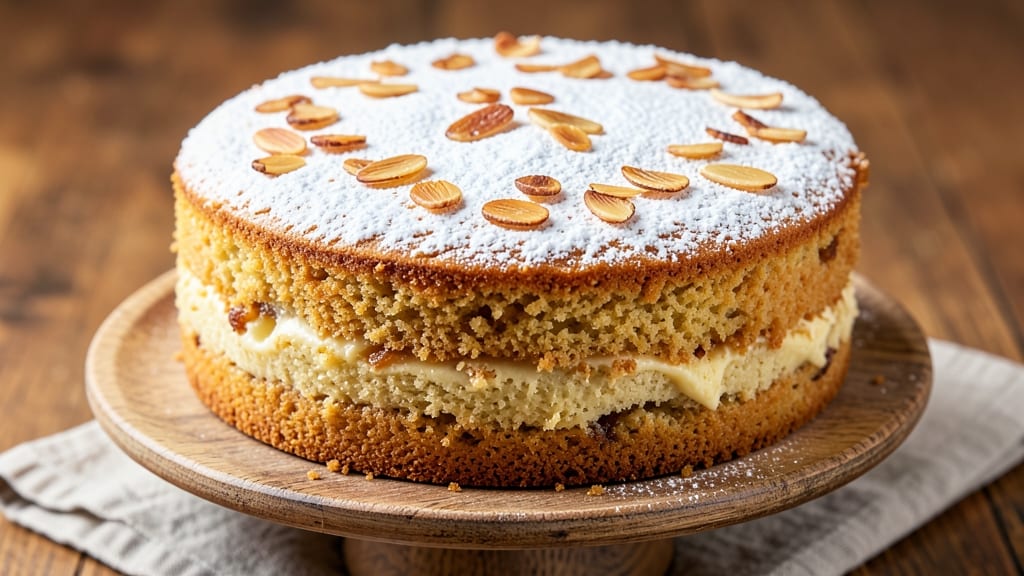
This almond pound cake delivers Duncan Hines-inspired layers of moist, tender crumb with rich nutty depth and classic vanilla warmth. The secret lies in creaming butter and sugar properly—this step creates the airy texture that makes every slice irresistible.
I've refined this recipe over years to ensure it stays perfectly tender without drying out, even when sliced the next day.
The cake's signature flavor comes from toasted almonds folded into the batter, adding both texture and a subtle crunch that contrasts beautifully with the soft crumb.
Unlike many pound cakes, this version includes a touch of almond extract for extra depth, while vanilla bean paste ensures that signature Duncan Hines vanilla kiss. The recipe uses all-purpose flour for reliability, but cake flour can be substituted for an even lighter texture.
Baking at 325°F for 50-60 minutes yields a golden dome with a crackly top that signals perfect doneness. The cake emerges from the oven with a delicate aroma that fills the kitchen—this is the moment you'll know it's worth the wait.
For serving, a simple powdered sugar glaze or fresh berries add elegant finishing touches that elevate it from homemade to restaurant-quality.
This recipe produces a foolproof cake that's perfect for celebrations, gift giving, or satisfying your own sweet tooth. The moist crumb and nutty flavor make it a standout dessert that pairs beautifully with tea or coffee. Let's get baking—your kitchen will smell like comfort with every slice.
Ingredients for almond pound cake recipe duncan hines
Twelve simple ingredients create this Duncan Hines-inspired almond pound cake with signature moist crumb and nutty depth.
| Ingredient | Amount | Notes |
|---|---|---|
| Unsalted Butter 🧈 | 1 cup | Room temperature for creaming |
| Granulated Sugar 🍚 | 2 cups | Superfine preferred for smoothness |
| All-Purpose Flour 🌾 | 2 cups | Sifted for light texture |
| Toasted Sliced Almonds 🥜 | 1 cup | Skin-on, lightly toasted |
| Almond Extract 🌿 | 1 tbsp | Pure almond flavor |
| Vanilla Bean Paste 🌸 | 2 tsp | For authentic vanilla depth |
| Large Eggs 🥚 | 4 whole | Room temperature preferred |
| Baking Powder 🧂 | 1 tsp | Aluminum-free preferred |
| Salt 🧂 | ½ tsp | Fine sea salt |
| Whole Milk 🥛 | ½ cup | Room temperature |
| Powdered Sugar 🍚 | 2 cups | For glaze (optional) |
| Fresh Berries 🍓 | 1 ½ cups | For garnish (optional) |
The butter and sugar are where the magic happens—properly creamed, they create the airy texture that makes this cake legendary. Use European-style butter for higher fat content (like Plugrá or Land O'Lakes European Style), which yields a richer crumb. If you're in a hurry, let the butter sit at room temperature for 30 minutes before creaming, or microwave it in 20-second bursts until just soft. The almonds should be toasted until fragrant but not browned—lightly golden is perfect. For the vanilla, vanilla bean paste delivers more flavor than extract, though pure vanilla extract works in a pinch. Sifting the flour removes lumps and ensures an even texture, which is especially important for pound cakes where structure matters.
No almond extract? Vanilla extract at double the amount works, though the nutty depth will be slightly less pronounced. Substituting cake flour for all-purpose flour will yield a lighter texture, but you'll need to add 1 tsp baking powder extra to compensate. For the milk, any dairy milk works, but plant-based milks like almond or oat can alter the moisture slightly—stick with dairy for authenticity. If you're making this ahead, the cake actually tastes better the next day once the flavors meld. The optional glaze? Powdered sugar plus 1 tbsp milk is all you need—no fancy equipment required. For the berries, fresh is ideal, but frozen works if you thaw them first and pat them dry.
This cake keeps beautifully wrapped at room temperature for 3 days, though it's best enjoyed within 24 hours. For longer storage, slice and freeze individual portions for up to 3 months—they reheat perfectly in the microwave. The secret to serving? Let it cool completely before slicing to maintain that perfect crumb. I always bake this in a 9x5-inch loaf pan for elegant slices, but a tube pan works too. The crackly top is a good sign—it means the cake is perfectly baked. If you're gifting, wrap slices in parchment and tie with twine for a restaurant-quality presentation.
Why You'll Love This Recipe
- No Fuss Mixing: I swear by this recipe’s simplicity—just cream butter and sugar, fold in dry ingredients, and sprinkle those toasted almonds on top. No food processor, no whisking until your arm falls off. Honestly, the hardest part is waiting for it to bake.
- Buttery Almond Magic: That almond extract and toasted almonds? It’s like a warm hug in cake form. The moist crumb with that nutty aroma and a whisper of vanilla from the extract makes every slice taste like a bakery’s secret.
- Brunch or Dessert Star: Serve it warm with a drizzle of honey for breakfast, or save it for a fancy dessert with whipped cream. Between us, it’s the one cake that works for both—no judgment if you eat it at 10 AM.
- Budget-Friendly Luxury: You’re using pantry staples (butter, sugar, flour) with just a handful of almonds to make it feel special. And leftovers? They last days in the fridge—perfect for when you’re too tired to bake again. (Yes, even on a Tuesday night.)
Step-by-step instructions for almond pound cake
This method ensures a tender crumb, nutty depth, and perfect moisture every time.
Cream Butter and Sugars for Light Texture
In a stand mixer fitted with the paddle attachment, beat the 1 cup unsalted butter and 2 cups granulated sugar on medium speed for 5-7 minutes. You'll see the mixture lighten in color and nearly double in volume—this creaming process incorporates air, which creates that signature tender crumb. I press down on the butter-sugar mixture occasionally to ensure everything is fully combined.
Stop when the mixture is thick, pale, and fluffy. If you lift the paddle and the mixture holds its shape with a slight peak, it's ready. This step is critical for achieving that classic pound cake texture—don't rush it. The butter should be at room temperature, so if it feels cool or grainy, let it sit at room temperature for another 10 minutes before proceeding.
Add Eggs and Flavorings Gradually
Add the 4 whole large eggs, one at a time, mixing on low speed after each addition until fully incorporated. Then add the 2 tsp vanilla bean paste and 1 tbsp almond extract, mixing just until combined. The vanilla bean paste adds depth that regular extract can't match, and the almond extract enhances the nutty flavor from the toasted sliced almonds.
I like to scrape down the sides of the bowl with a silicone spatula at this point to ensure everything is evenly distributed. The mixture should be smooth and homogeneous. If you notice any streaks of flour or egg whites, mix for another 30 seconds on low speed. This step ensures the cake will rise evenly and have a consistent texture throughout.
Combine Dry Ingredients and Fold in Almonds
In a separate bowl, whisk together the 2 cups all-purpose flour, 1 tsp baking powder, and 0.5 tsp salt. Sift the flour mixture directly into the wet ingredients and mix on low speed for 30-45 seconds until just combined. You should still see some flour streaks—overmixing develops gluten and can make the cake dense.
Remove the bowl from the mixer and gently fold in the 1 cup toasted sliced almonds using a silicone spatula. Be careful not to overmix; just combine until the almonds are evenly distributed. The toasted almonds add texture and flavor, but they're delicate, so handle them gently. Here's the thing—if the dough looks too thick, add the 0.5 cup whole milk and mix just until combined. The milk helps create that moist crumb we're after.
Bake for Evenly Moist Layers
Preheat your oven to 350°F and grease two 9-inch round cake pans with butter or baking spray. Divide the batter evenly between the pans and smooth the tops. Bake for 50-60 minutes, or until a toothpick inserted into the center comes out clean. The cake should spring back slightly when pressed gently in the center.
I check the cake at the 50-minute mark—sometimes ovens run hot, and you don't want to overbake. The edges should be golden brown, but the top should still look slightly underdone. This ensures the cake stays moist inside. Once done, remove from the oven and let the cakes cool in the pans for 10 minutes before transferring to a wire rack to cool completely.
Glaze and Garnish for Finishing Touches
While the cakes are cooling, prepare the optional glaze by whisking together the 2 cups powdered sugar and 0.5 cup whole milk until smooth. The glaze should be thick enough to coat the back of a spoon but still drizzle easily. If it's too thick, add a splash more milk; if too thin, add a bit more powdered sugar.
Once the cakes are completely cool, spread the glaze evenly over the top of each cake. For garnish, arrange the 1.5 cups fresh berries on top in a decorative pattern. The berries add a pop of color and a fresh contrast to the rich, nutty cake. Let the glaze set for 10 minutes before slicing. Each slice should be moist, tender, and packed with almond flavor—exactly what you'd expect from a Duncan Hines classic.
Pro Tips For Making Almond Pound Cake Recipe Duncan Hines
- CREAM BUTTER AND SUGAR FIRST: The Duncan Hines recipe calls for creaming butter and sugar, but don’t rush this step—beat them together for at least 3 minutes until the mixture is pale and fluffy. I used to skip this, and my cakes turned out dense; the air incorporated here is what makes the texture light.
- TOAST ALMONDS UNTIL GOLDEN: Skip the pre-packaged toasted almonds—they’re often overdone and bitter. Toast your own sliced almonds in a dry skillet over medium-low heat for 5-7 minutes, stirring often, until they’re fragrant and just golden. Watch them like a hawk—they burn fast, and burnt almonds ruin the flavor.
- DON’T OVERMIX THE BATTER: Once you add the flour, eggs, and almond extract, mix just until combined—no more. Overmixing develops gluten, which turns your tender pound cake into a tough brick. Fold in the almonds gently with a spatula; they’re heavy enough to drag the batter down if you’re rough.
- WEIGH YOUR FLOUR (OR SCOOP RIGHT): This recipe is precise, and volume measurements with flour can vary wildly. If you don’t have a scale, scoop the flour directly from the bag into your measuring cup and level it off—don’t spoon it in. Too much flour = dry cake; too little = a gummy mess. I learned this after a cake collapsed mid-bake.
Essential equipment for this recipe
Stand Mixer Essentials
A stand mixer with a paddle attachment is your best friend for this recipe. The paddle creates the light, airy texture we want by incorporating air into the butter and sugar mixture.
I recommend the KitchenAid Artisan Series for its durability and consistent performance—it’s a one-time investment that pays off with every batch. If you don’t have a mixer, a hand mixer works, but you’ll need to work in shorter bursts to avoid overmixing. 💪
Precision Tools for Measuring
Accurate measurements are key for a perfect pound cake. Use a digital kitchen scale for the flour and sugar to ensure consistency—this eliminates packing issues that can happen with scooping. For the butter, I like the OXO Good Grips measuring cups because their non-slip design prevents spills.
A fine-mesh sieve is also essential for sifting the flour, which removes lumps and ensures an even texture. Don’t skip this step—it makes a noticeable difference in the final crumb.
Baking Pans and Prep
For this recipe, you’ll need two 9-inch round cake pans—I prefer Wilton Perfect Results pans because they’re non-stick and distribute heat evenly. Grease them thoroughly with unsalted butter or use a baking spray like Baker’s Joy to prevent sticking.
If you’re baking in a tube pan, reduce the baking time by 5-10 minutes since the shape can trap heat differently. Always place the pans on the middle rack of your oven for even baking.
Toasting Almonds Properly
Toasted almonds add depth to this cake, but they need to be done right. Use a large skillet over medium heat and toast the 1 cup sliced almonds for 3-4 minutes, stirring constantly, until they’re fragrant and just beginning to turn golden.
Watch them closely—they can burn quickly! Transfer them to a plate lined with a clean kitchen towel to absorb excess oil. If you’re short on time, a 30-second burst in the microwave works too, but the stovetop method gives better flavor. 🥜
Cooling and Storing Tools
Let your cakes cool in the pans for 10 minutes before transferring them to a wire cooling rack—this prevents soggy bottoms. For storing, wrap slices in parchment paper and place them in an airtight container to keep them fresh for up to 3 days.
If you’re freezing, use quart-sized freezer bags and squeeze out excess air to prevent freezer burn. A sharp serrated knife is a must for clean slices—dip it in hot water and wipe dry between cuts for perfect edges.
Optional Glazing Setup
The powdered sugar glaze is simple but elevates the cake. Use a small mixing bowl and a whisk to combine the 2 cups powdered sugar and 0.5 cup milk until smooth. A fine-mesh strainer helps remove any lumps before drizzling.
For garnishing, a small offset spatula makes it easy to spread the glaze evenly, and a pastry brush helps arrange berries neatly. If you’re feeling fancy, add a sprinkle of crushed pistachios or edible gold leaf for extra flair.
Nutrition facts
Frequently asked questions
Can I substitute cake flour for all-purpose flour in this recipe?
Yes, you can! Use 1 cup minus 2 tablespoons of cake flour for every 1 cup of all-purpose flour called for. Since cake flour has a lower protein content, you'll need to add an extra 1 teaspoon baking powder to maintain the cake's lift. This substitution will yield an even lighter, more tender crumb—just be sure to sift it thoroughly to avoid lumps.
Why does my Duncan Hines-inspired almond pound cake turn out dry?
Dryness usually comes from overbaking or overmixing. Check your oven temperature with an oven thermometer—many home ovens run hot. Bake at 325°F and remove the cake when a toothpick comes out with a few moist crumbs (not wet batter). Also, mix the batter just until combined after adding flour to avoid developing gluten. For extra moisture, brush warm slices with simple syrup before serving.
How do I make this recipe gluten-free?
Replace the all-purpose flour with a 1:1 gluten-free flour blend (like Bob's Red Mill 1-to-1) and add 1 extra teaspoon xanthan gum to improve structure. Use the same measurements, but don't skip sifting. For best results, let the batter rest for 15 minutes before baking to help the gluten-free flour hydrate properly. The texture will be slightly denser but still delicious.
Can I bake this cake in a bundt pan instead?
Use a 10-12 cup bundt pan and reduce the baking time by 10-15 minutes (around 45-50 minutes). The shape will give you beautiful ridges, but check for doneness at 40 minutes since bundt pans can bake faster. Grease the pan thoroughly with butter and flour to prevent sticking. The cake will have a more intricate presentation but the same moist texture.
What's the best way to store leftover almond pound cake?
Wrap individual slices in plastic wrap or place the whole cake in an airtight container at room temperature for up to 3 days. For longer storage, slice the cake and freeze portions in quart-sized freezer bags for up to 3 months. Thaw overnight in the fridge—microwaving can make it gummy. The cake actually tastes better the next day as the flavors meld!