
Desserts
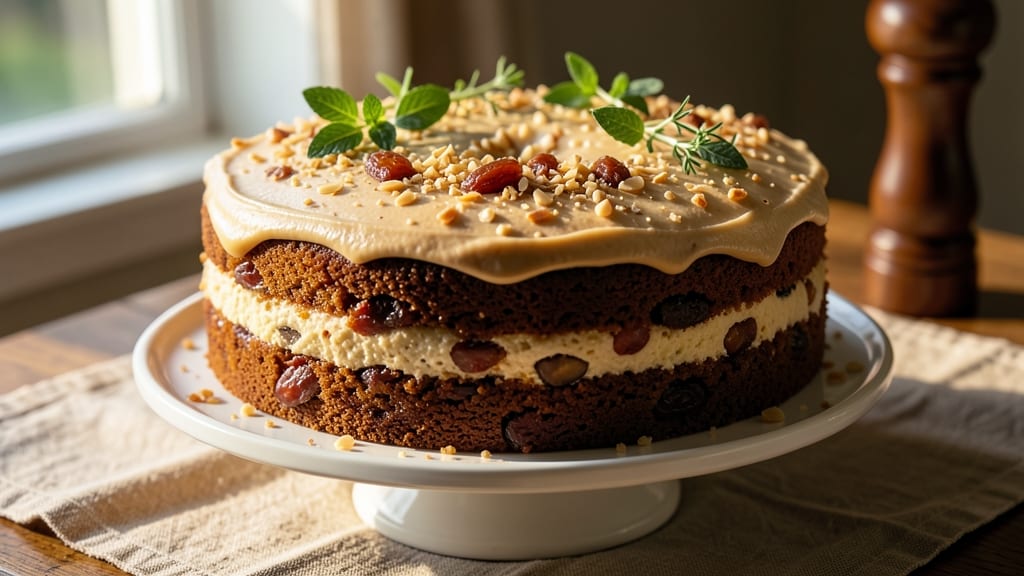
This almond date cake delivers a perfect balance of moist texture and caramelized sweetness that keeps every slice irresistible. The combination of ground almonds and tender dates creates a rich, nutty depth that pairs beautifully with the cake's tender crumb.
I've perfected this recipe to ensure it stays moist for days, making it ideal for gatherings or satisfying a sweet craving anytime.
The secret to this cake's success lies in the preparation—dates are soaked and blended into a thick paste, ensuring they distribute evenly and add natural sweetness without overpowering the almond flavor.
A simple wet-and-dry mixing method guarantees a light, airy texture, while a touch of cinnamon enhances the warm, comforting notes. Baking at the right temperature ensures the cake rises evenly and develops a golden crust.
What makes this cake truly special is its ability to satisfy both nut lovers and those who appreciate a naturally sweet dessert. The caramelized dates create pockets of intense flavor in every bite, while the almonds provide a satisfying crunch and richness.
It's the kind of cake that feels indulgent yet remains balanced, making it perfect for breakfast, an afternoon treat, or a dessert that won't leave you feeling overly heavy.
For an extra touch of elegance, dust with powdered sugar or drizzle with a simple glaze before serving. This cake keeps well at room temperature, so you can bake it ahead and enjoy it over several days without compromising its moist, flavorful quality.
Let's get started on this delightful almond date cake!
Ingredients for almond date cake
Eight essential ingredients blend almond richness with caramelized date sweetness for a cake that stays moist for days.
| Ingredient | Amount | Notes |
|---|---|---|
| All-Purpose Flour 🌾 | 2 cups | Sifted for light texture |
| Ground Almonds 🌰 | 1 ½ cups | Finely ground for even distribution |
| Pitted Dates 🍈 | 1 ½ cups | Pitted and soaked in warm water |
| Granulated Sugar 🍚 | 1 cup | Light brown preferred for caramel notes |
| Unsalted Butter 🧈 | 1 cup | Softened to room temperature |
| Large Eggs 🥚 | 2 whole | Room temperature for even mixing |
| Vanilla Extract 🌿 | 1 tbsp | Pure extract for authentic flavor |
| Ground Cinnamon 🌶️ | 1 ½ tsp | Freshly ground for warmth |
| Baking Powder 🧂 | 1 ½ tsp | Aluminum-free for best rise |
| Salt 🧂 | ½ tsp | Fine sea salt for balance |
| Warm Water 💧 | ½ cup | For soaking dates and blending |
| Powdered Sugar 🍚 | ¼ cup | For dusting or glaze |
The ground almonds and dates are the heart of this cake, so quality matters. Trader Joe's carries excellent pitted dates, and their ground almonds are finely milled—perfect for even distribution. For the almonds, Bob's Red Mill brand is a reliable choice if you prefer pre-ground. The dates should be plump and moist; if they're dry, soak them in warm water for 15 minutes before blending. The cinnamon enhances the caramelized notes, so McCormick's pure ground cinnamon is ideal for its consistent flavor. For the flour, King Arthur unbleached all-purpose flour ensures a light, tender crumb without overpowering the nutty sweetness.
No ground almonds? Toasted slivered almonds blended into a fine powder works in a pinch, though texture may vary slightly. Substituting dried dates for fresh? Adjust the soaking time to 20-30 minutes to ensure they soften properly. The butter can be swapped for vegetable shortening if you prefer a slightly denser texture, though unsalted butter adds depth. For a dairy-free option, Earth Balance vegan butter performs well. The vanilla extract is non-negotiable here—imitation flavors lack the complexity. If you're short on powdered sugar for the glaze, sifted granulated sugar can be used, though it won't dissolve as smoothly.
This cake keeps beautifully at room temperature for up to 5 days when stored in an airtight container. For longer storage, wrap tightly in plastic and refrigerate for up to 2 weeks. The moist texture actually improves after a day or two, making it perfect for baking ahead. To reheat, warm slices in a 200°F oven for 5-10 minutes to restore the caramelized notes. For serving, dust with powdered sugar or drizzle with a simple glaze of powdered sugar and lemon juice for added elegance. Portion into individual servings for easy grab-and-go treats.
Why You'll Love This Recipe
- No Mixer Needed: I swear by this—just toss the ground almonds, pitted dates, and flour together until it’s almost crumbly. The butter comes in last, and suddenly you’ve got a dough that’s forgiving enough to handle even if you skip measuring to the gram.
- Chewy Caramel Magic: Those dates? They’re the secret weapon. When they soften just right, they turn into little pockets of caramel that melt in your mouth. Honestly, I’ve tried adding chocolate, but the natural sweetness of the dates—paired with the nutty crunch—is already dangerously addictive.
- Weeknight Dinner Guest: Between us, this cake is my go-to when I’m hosting but don’t want to slave over dessert. Slice it warm, serve it with a dusting of powdered sugar, and suddenly you’ve got something that feels fancy but took less time than ordering takeout. (Yes, even on a Tuesday night.)
- Budget-Friendly Indulgence: Ground almonds and dates bulk up the flavor without breaking the bank, and this recipe stretches to feed four—or five, if you’re like me and sneak extra slices. Plus, leftovers? They keep for days, so you’re not scrambling to use up a whole cake before it dries out.
Step-by-step instructions for almond date cake
This method delivers a perfectly moist, nutty-sweet cake with caramelized dates throughout.
Prepare the Date Puree
Begin by soaking the 1.5 cups pitted dates in the 0.5 cup warm water for 15 minutes. This softens them enough to blend into a smooth puree that adds natural sweetness and moisture to the cake. Drain any excess water after soaking—you want the dates to release their liquid but not become waterlogged.
Transfer the soaked dates to a blender or food processor and blend until completely smooth. The puree should be thick and syrupy, with no visible date chunks remaining. Taste it—it should be intensely sweet and slightly caramelized. Set the puree aside; you'll use it to replace some of the liquid in the batter, ensuring a rich, moist texture without over-reliance on dairy or eggs.
Cream Butter and Sugar
In a stand mixer fitted with the paddle attachment, beat the 1 cup softened unsalted butter and 1 cup granulated sugar on medium speed for 3-4 minutes. The mixture should lighten in color and nearly double in volume, becoming pale and fluffy. This creaming process incorporates air, which creates a tender crumb and helps the cake rise evenly.
I always check for proper creaming by lifting the paddle—if the mixture holds a peak for a few seconds, it's ready. If it's still too dense, continue beating for another minute. The butter should be completely smooth, with no graininess remaining. This step is critical for achieving that signature moist yet light texture.
Mix Wet Ingredients
Add the 2 whole large eggs, one at a time, mixing on low speed after each addition until fully incorporated. Then add the 1 tbsp vanilla extract and the date puree you prepared earlier. Mix on low speed for 1 minute until the batter is smooth and homogeneous. The date puree will make the batter slightly thicker, but it should still be pourable.
This is where the magic happens—the date puree not only adds natural sweetness but also binds the ingredients together, preventing dryness. The vanilla extract enhances the nutty flavors of the almonds while adding depth. At this stage, the batter should smell rich and caramelized, with a hint of warm spices.
Combine Dry Ingredients
In a separate bowl, whisk together the 2 cups all-purpose flour, 1.5 cups ground almonds, 1.5 tsp baking powder, 1.5 tsp ground cinnamon, and 0.5 tsp salt. Sift the flour and almonds together to aerate them and prevent lumps in the final batter. This step is essential for achieving a tender, even crumb throughout the cake.
With the mixer on low speed, gradually add the dry ingredients to the wet mixture. Mix just until combined—you should still see some flour streaks. Overmixing develops gluten, which can make the cake dense. The moment the dry ingredients disappear into the wet mixture, stop mixing. The batter should be thick but smooth, with a consistency similar to heavy pudding.
Bake to Golden Perfection
Preheat your oven to 350°F and grease an 8-inch round cake pan or line it with parchment paper. Pour the batter into the prepared pan and smooth the top with a spatula. Bake for 40-45 minutes, or until a toothpick inserted into the center comes out clean. The cake should be golden brown on top, with slight pulling at the edges when gently tugged.
Here's the thing—dates can make cakes dense if not baked properly. To ensure moisture, I recommend tenting the cake with foil after 25 minutes if the top is browning too quickly. This prevents over-browning while allowing the center to cook through. Let the cake cool in the pan for 10 minutes, then transfer it to a wire rack to cool completely before slicing.
Pro Tips For Making Almond Date Cake
- Soften Dates Overnight: I learned this the hard way—dates straight from the jar resist blending into a smooth paste. Toss them in warm water for 4+ hours (or overnight) to break down their fibers, then drain and blend until silky. The cake’s texture will be actually tender, not chewy like when you force dry dates through a food processor.
- Melt Butter Slowly: Skip the microwave’s uneven heat—melt the butter in a small saucepan over low heat, stirring until it’s just liquid but not browned. Cold butter creates lumps that won’t emulsify with the almonds or dates, leaving your batter grainy. (Yes, even if you’re impatient like me.)
- Weigh Ground Almonds: Scooping ground almonds by volume is a disaster—they pack differently every time. Use a kitchen scale for 1:1 accuracy; the cake’s structure depends on the right ratio of flour to almonds. Off by even 10 grams, and you’ll end up with a dense brick instead of a light crumb.
- Bake Until Golden: The cake’s edges will pull away from the pan before it’s fully done—insert a skewer at the center. If it comes out clean but the core’s still doughy, tent with foil and bake 5–10 more minutes. Rushing leads to a gummy center that ruins the whole thing. (Your future self will thank you.)
Troubleshooting this recipe
Dense Cake Texture
If your cake turns out dense instead of light and moist, the issue is likely overmixing or insufficient leavening. Dates contain natural sugars that can interfere with baking powder activation, so ensure your 1.5 tsp baking powder is fresh—old leavening agents lose potency.
Also, mix the dry ingredients just until combined; overmixing develops gluten, which makes the cake tough. For extra lift, whisk the flour and almonds together before adding to the wet mixture to aerate them properly. 💫
Dry or Crumbly Cake
Dryness usually means the cake didn't retain enough moisture during baking. Dates are naturally hydrating, but if your cake feels dry, check your date puree consistency—it should be thick but not grainy. If using store-bought date paste, add 1-2 tbsp extra warm water to the batter to compensate for dryness.
Another trick? Brush the cooled cake with a simple syrup made from 2 tbsp powdered sugar + 1 tbsp warm water to restore moisture. Store properly in an airtight container to prevent drying out.
Uneven Baking
Uneven baking—where the edges cook faster than the center—is common with dense batters like this one. To fix it, tent the cake with aluminum foil after 25 minutes in the oven to slow browning while allowing the center to cook through.
Also, rotate the pan halfway through baking (22-25 minutes in) for even heat distribution. If your oven runs hot, reduce the temperature to 325°F for the last 15 minutes of baking. A cake thermometer inserted into the center should read 205-210°F for perfect doneness.
Dates Sinking to Bottom
If you notice dates pooling at the bottom of your cake, it’s likely because they weren’t blended into a smooth puree. For a foolproof texture, blend the soaked dates until completely smooth—no visible chunks should remain.
If you’re short on time, pulse them briefly in a food processor, then strain through a fine-mesh sieve to remove any fibers. Another tip: Fold the date puree into the wet ingredients last, just before adding the dry mix, to keep it suspended evenly throughout the batter.
Cake Sticks Too Quickly
A toothpick coming out clean too early usually means the cake is underbaked or the oven temperature is inconsistent. Double-check your oven’s accuracy with an oven thermometer—many home ovens run 25-50°F hotter than set.
If your cake tests done before the 40-minute mark, tent it with foil and continue baking for another 5-10 minutes to ensure even cooking. For extra insurance, let the cake cool completely before slicing—dates continue to release moisture as they cool, so rushing this step can make the texture gummy.
Bitter or Harsh Taste
A bitter aftertaste often comes from overbrowning or using old spices. If your cake tastes harsh, it might be due to overcooking—dates caramelize quickly and can turn bitter if baked too long.
To prevent this, keep a close eye on the cake after 35 minutes and remove it as soon as the edges pull away from the pan. For flavor balance, ensure your cinnamon is fresh (McCormick’s pure ground cinnamon is a reliable choice) and avoid over-sweetening.
A pinch of fine sea salt** (as listed in the recipe) enhances sweetness without adding bitterness.
Nutrition facts
Frequently asked questions
Why do I need to soak the dates before blending?
Soaking the dates for 15 minutes softens them enough to blend into a smooth puree that distributes evenly throughout the cake. This prevents dry, grainy pockets while adding natural sweetness and moisture. Skipping this step can make your cake dense or crumbly.
Can I substitute ground almonds with another nut?
Yes! You can use finely ground walnuts or hazelnuts as a 1:1 replacement, but the flavor will differ slightly. Almonds provide the classic marzipan-like richness this cake is known for. For a seed option, try sunflower seed butter (thinned with water) or tahini, though texture may vary.
How do I make this cake gluten-free?
Replace the 2 cups all-purpose flour with a 1:1 gluten-free baking flour blend (like Bob's Red Mill 1-to-1). Add 1 tsp xanthan gum to help bind the crumb. For best results, let the batter rest for 10 minutes before baking to improve texture. The cake may be slightly denser but still delicious!
Should I add extra sugar if using very sweet dates?
Taste your date puree before adding it to the batter. If it's intensely sweet (like Medjool dates), reduce the granulated sugar to ¾ cup. For less sweet varieties, keep the full 1 cup. The recipe balances naturally, but dates vary in sweetness—trust your taste buds!
What's the best way to store leftovers?
Wrap cooled slices tightly in plastic wrap, then store in an airtight container at room temperature for up to 3 days. For longer storage, refrigerate for 1 week or freeze for 3 months. To reheat, warm at 200°F for 5 minutes to restore moisture and caramelized notes.