
Desserts
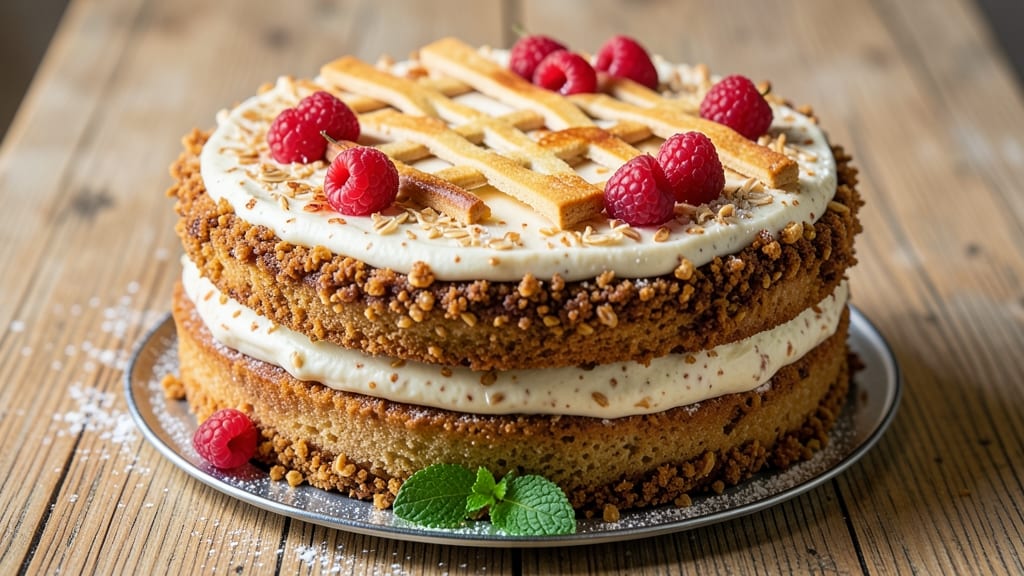
Aunt May's wheat cake delivers the perfect balance of Southern charm and comforting texture—moist, buttery, and lightly spiced with just enough wheat flour to create that signature crumbly yet tender bite. 💛 This recipe has been passed down through generations, offering a taste of home with every slice.
The secret lies in the slow baking process and the careful combination of ingredients that ensure it stays moist for days.
What sets this wheat cake apart is its ability to satisfy both sweet and savory cravings, thanks to the subtle warmth of cinnamon and nutmeg. The recipe uses a mix of all-purpose flour and whole wheat flour, giving it a hearty texture while keeping it light enough to cut easily.
Unlike many wheat-heavy cakes, this one never turns dense or dry—it stays wonderfully moist with a delicate crumb.
Baking at a moderate temperature ensures even cooking without over-browning, while the buttery frosting adds a touch of elegance that makes it perfect for special occasions or Sunday suppers. The aroma alone will bring back memories of family gatherings and holiday celebrations, making it a staple in Southern kitchens.
Whether you're serving it at a church social, family reunion, or just enjoying a slice with morning coffee, this cake is a testament to the art of baking with love. The recipe is designed to be approachable yet impressive, ensuring every bite feels like a hug from Aunt May herself.
Ingredients for aunt may wheat cake
Twelve ingredients for a cake that tastes like Southern memories—moist, tender, and spiced just right.
| Ingredient | Amount | Notes |
|---|---|---|
| All-Purpose Flour 🌾 | 2 ½ cups | Sifted for light texture |
| Whole Wheat Flour 🌾 | 1 cup | For hearty texture |
| Granulated Sugar 🍚 | 1 ½ cups | Light brown preferred |
| Unsalted Butter 🧈 | 1 cup | Softened to room temp |
| Large Eggs 🥚 | 2 whole | Room temperature |
| Milk 🥛 | 1 cup | Whole milk preferred |
| Vanilla Extract 🍯 | 1 tbsp | Pure extract preferred |
| Baking Powder 🧂 | 2 tsp | Diamond Crystal preferred |
| Ground Cinnamon 🌿 | 1 tsp | Freshly ground preferred |
| Ground Nutmeg 🌿 | ½ tsp | Finely ground |
| Salt 🧂 | ½ tsp | Fine sea salt |
| Powdered Sugar 🍚 | 2 cups | For frosting |
| Butter 🧈 | ½ cup | Cold for frosting |
| Heavy Cream 🥛 | ¼ cup | Optional for richness |
The flour blend is key here. King Arthur all-purpose and Bob's Red Mill whole wheat give the perfect balance of lightness and heartiness. Grocery stores usually carry these, but baking sections at Whole Foods often have higher-quality options. Sifting the flour removes lumps and creates that signature tender crumb. For the butter, Land O'Lakes or Plugrá are reliable choices—just make sure it's unsalted. The eggs should be room temperature for even baking, and whole milk adds richness that low-fat can't match.
No whole wheat flour? Substitute all-purpose plus 1 tbsp vital wheat gluten for that chewy texture. Short on butter? Applesauce or Greek yogurt at half the amount works in a pinch, though texture will differ slightly. The spices are non-negotiable—McCormick or Penzeys for fresh-ground cinnamon and nutmeg makes all the difference. For the frosting, powdered sugar from a canister (like Domino) dissolves better than pre-sifted. The heavy cream is optional but adds a silky finish—skip it if you prefer a simpler glaze.
Store the cake in an airtight container at room temperature for 2 days or refrigerated for 5 days. The frosting keeps 3 days in the fridge, though it's best used fresh. For make-ahead baking, wrap the unfrosted cake in plastic and freeze for up to 3 months. Thaw overnight before frosting. The aroma alone will fill your kitchen with nostalgia—worth every minute of the slow baking process.
Why You'll Love This Recipe
- No-Mix Madness: I swear, this cake comes together faster than my coffee order at the drive-thru. Just fold the dry ingredients—half all-purpose, half whole wheat—into the creamed butter and sugar, then whisk in those eggs. No sifting, no measuring cups out the wazoo, just dump-and-stir magic.
- Golden Crust, Soft Heart: That whole wheat blend gives it a subtle nuttiness, but the real star is the butter crust—crisp on the edges, tender inside. Honestly, the first time I bit in, I nearly dropped the fork. It’s the kind of cake that makes you pause mid-bite, like, "Wait, is this actually homemade?"
- Breakfast or Dessert: Between us, I’ve served this with jam for breakfast and whipped cream for dessert—no judgment. The neutral flavor plays nice with anything, and the texture holds up whether you’re slicing it warm or cold. (Yes, even on a Tuesday night when you’re running late.)
- Budget-Friendly Staples: You’re already stocked for this—flour, sugar, butter, eggs. No specialty ingredients, no last-minute grocery runs. I’ve made this for potlucks, school fundraisers, and lazy Sunday mornings, and it’s never let me down. Plus, the leftovers? They disappear faster than my willpower during holiday baking.
Step-by-step instructions for Aunt May's wheat cake
Here's how to create a tender, moist wheat cake with perfect spice balance.
👨🍳 Step 1: Combine Dry Ingredients for Even Texture
In a large mixing bowl, whisk together the 2.5 cups all-purpose flour and 1 cup whole wheat flour. Sift in the 2 tsp baking powder, 1 tsp ground cinnamon, 0.5 tsp ground nutmeg, and 0.5 tsp salt. Use a whisk to break up any lumps and ensure everything is evenly distributed. The whole wheat flour adds heartiness while the all-purpose keeps it tender.
Set this mixture aside. The key here is to sift the dry ingredients thoroughly—this prevents dense pockets in your cake and ensures that baking powder distributes evenly for proper rise. I like to press the sift over the bowl several times to guarantee no clumps remain.
👨🍳 Step 2: Cream Butter and Sugar for Lightness
In a separate large bowl, combine the 1 cup softened unsalted butter and 1.5 cups granulated sugar. Beat with an electric mixer on medium speed for 3-4 minutes until light and fluffy. You'll see the mixture nearly double in volume and turn pale—this incorporates air that helps create a tender crumb.
Add the 2 large eggs, one at a time, mixing well after each addition. Scrape down the sides of the bowl as needed. Then stir in the 1 tbsp vanilla extract and 1 cup milk. The mixture should be smooth and slightly thickened. This step is crucial for moisture—don't skip it, or your cake will turn out dry.
🥘 Step 3: Gently Fold Wet and Dry Ingredients
With the mixer on low speed, gradually add the dry ingredients to the wet mixture. Mix just until combined—about 1 minute. Be careful not to overmix, as this develops gluten and makes the cake tough. The batter should be smooth with a few small lumps remaining.
This is where the magic happens. The whole wheat flour absorbs more liquid, so the batter will be slightly thicker than traditional cake batter. If it seems too stiff, add 1-2 tablespoons of milk to loosen it. Pour the batter into two 9-inch round cake pans lined with parchment paper.
🔥 Step 4: Bake to Golden Perfection
Preheat your oven to 350°F. Bake the cakes for 30-35 minutes, or until a toothpick inserted into the center comes out clean. The edges should be golden brown, but the top might still look slightly underdone—this is normal.
Don't open the oven during baking, or the cakes may sink. If the tops brown too quickly, loosely cover them with aluminum foil. Once done, let the cakes cool in the pans for 10 minutes, then transfer to a wire rack to cool completely. This resting period prevents cracking and allows the moisture to distribute evenly.
🍳 Step 5: Prepare and Frost the Cake
While the cakes cool, prepare the frosting by beating the 0.5 cup cold butter until creamy. Gradually add the 2 cups powdered sugar and 0.25 cup heavy cream, mixing on low speed until smooth. The frosting should be thick but spreadable—if it's too stiff, add 1-2 teaspoons of milk to loosen it.
Once the cakes are completely cool, spread a thin layer of frosting between the layers, then cover the entire cake with the remaining frosting. Use a spatula to create smooth sides, and sprinkle any extra powdered sugar on top for a classic Southern touch. Serve at room temperature for the best texture and flavor balance.
Pro Tips For Making Aunt May Wheat Cake
- Weigh the Flours: Whole wheat flour absorbs more liquid than all-purpose, and guessing by volume leads to dense, gummy cake. Use a kitchen scale for precise measurements—this recipe depends on the balance between the two flours.
- Cream Butter and Sugar Slowly: I used to rush this step, and the butter would melt instead of emulsifying. Beat the butter and sugar on medium speed for 3-4 minutes until pale and fluffy—this creates air pockets that make the cake light, not heavy.
- Don’t Overmix the Batter: Whole wheat flour develops gluten faster than all-purpose, and once you see streaks of flour, stop mixing. Overworking the batter leads to a tough, chewy texture—fold just until combined.
- Room-Temp Eggs and Butter: Cold eggs and butter create pockets of steam in the oven, causing the cake to sink or crack. Let them sit out for 30 minutes before measuring—this ensures even baking and a consistent crumb.
Pro cooking tips for this recipe
Butter Temperature Matters
The butter used in Aunt May’s wheat cake makes all the difference. For the cake batter, use softened unsalted butter at room temperature—about 68°F—so it blends smoothly with sugar without turning greasy. I press my butter between parchment paper for 10-15 minutes to ensure even softness.
For the frosting, cold butter is key—cut it into small cubes and chill for 30 minutes before whipping to create fluffy peaks. 🧈
Mixing Method Precision
This recipe relies on the creaming method for a tender crumb, but avoid overmixing once dry ingredients are added. Use a hand mixer on low speed for just 1 minute after combining wet and dry—any longer risks developing gluten and making the cake tough.
The batter should look slightly lumpy; don’t panic! The whole wheat flour absorbs more liquid, so if it’s too stiff, add 1 tbsp milk at a time until smooth. A spatula helps scrape down bowl sides for even mixing.
Baking Time Flexibility
Wheat cakes bake slower than traditional cakes due to the whole wheat flour’s density. Start checking for doneness at 30 minutes using a toothpick test—it should come out with a few moist crumbs, not wet batter.
If the tops brown too quickly, tent with aluminum foil after 20 minutes to prevent over-browning. Let cakes cool in pans for 10 minutes before transferring to a rack; this prevents cracking and ensures even moisture distribution. 🔥
Frosting Consistency Tricks
The frosting should be thick but spreadable, like a thick glaze. Beat the cold butter until creamy (about 2-3 minutes), then gradually add powdered sugar to avoid clumping. For extra smoothness, sift the sugar first. If the frosting is too stiff, add 1 tsp milk at a time.
For a smoother finish, use a bench scraper to create clean edges. The heavy cream adds richness, but omit it for a simpler glaze if preferred.
Oven Calibration Check
Ovens vary wildly—mine runs 25°F hotter than the thermostat reads. Test your oven’s accuracy with an oven thermometer before baking. If your wheat cake browns too quickly, reduce the temperature to 325°F and add 5-10 minutes to the bake time.
For even baking, place pans on the middle rack and rotate them halfway through if your oven has hot spots. The goal is golden edges with a slightly domed top—never dry or cracked.
Storage Secrets
Wrap cooled, unfrosted cakes in plastic wrap and store at room temperature for up to 2 days in an airtight container. For longer storage, freeze the unfrosted cake for up to 3 months—thaw overnight before frosting.
The frosting keeps 3 days refrigerated but tastes best fresh. To revive stale cake, warm slices in a 200°F oven for 5 minutes—the heat reactivates the moisture and restores tenderness. ✨
Nutrition facts
Frequently asked questions
Can I make this wheat cake in a single layer instead of two?
Yes, you can bake it as a single 9-inch layer for 40-45 minutes at 350°F. Use the same batter quantity but reduce baking time by about 10 minutes since a single layer cooks faster. The texture will be slightly denser, but still delicious! This works well for small gatherings or when you prefer a taller slice.
What's the secret to keeping this wheat cake moist for days?
The whole wheat flour absorbs moisture differently than all-purpose, so the key is balancing liquids and fats. The 1 cup milk and 1 cup butter create a rich, tender crumb, while the 10-minute pan rest after baking traps steam inside. Store in an airtight container with a slice of bread or lemon wedge to maintain freshness for up to 5 days. The frosting also helps seal in moisture!
Can I substitute the whole wheat flour with something else?
For a 1:1 substitution, use all-purpose flour plus 1 tbsp vital wheat gluten to mimic the protein structure. If avoiding gluten entirely, try a 1:1 gluten-free flour blend (like Bob's Red Mill 1:1) but expect a slightly denser texture. The wheat flour gives this cake its signature heartiness—without it, the cake will be lighter but lose that classic Southern texture.
Why does my wheat cake turn out dense or dry?
Overmixing develops gluten, making the cake tough. Mix wet and dry ingredients just until combined (1 minute max). Also check your oven temperature—wheat cakes need 350°F for even cooking. If using whole wheat flour, ensure it's fresh (old flour loses moisture). Finally, don't skip the 10-minute pan rest after baking—this critical step prevents cracking and helps moisture distribute evenly.
How can I make this cake gluten-free while keeping it tender?
Replace the flour blend with a 1:1 gluten-free baking flour (like King Arthur Measure for Measure) plus 1 tsp xanthan gum. Add 2 extra tbsp milk to compensate for reduced moisture absorption. Use almond milk for richness, and reduce baking powder to 1.5 tsp to prevent over-rising. The texture won't be identical but will still be moist and flavorful.