
Desserts
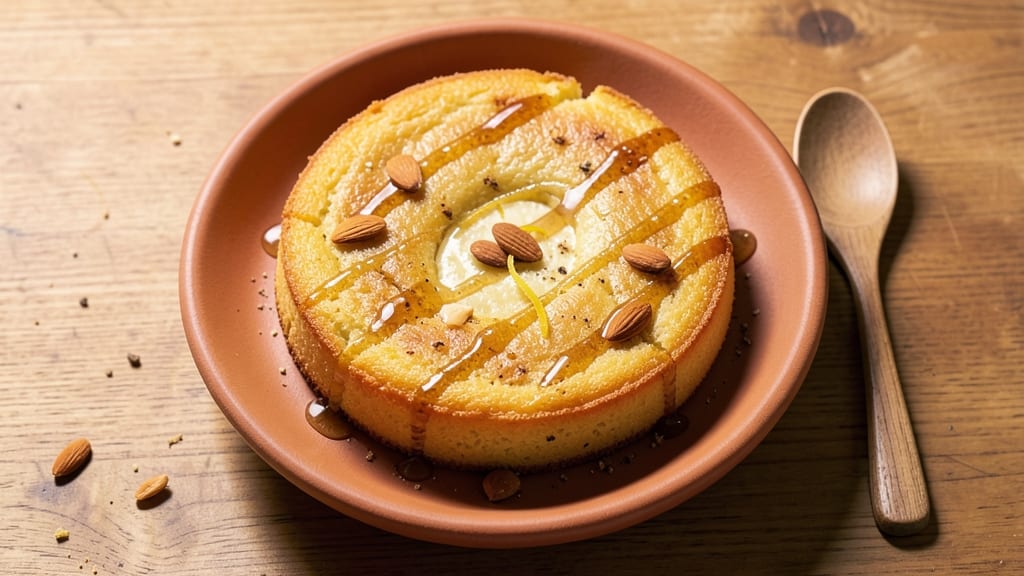
This eggless atta cake delivers all the fluffy, moist perfection of traditional cakes without a single egg—just whole wheat flour, baking powder, and clever substitutions.
The secret lies in a combination of yogurt, baking soda, and melted butter that creates that signature tender crumb, while a touch of vinegar ensures rise without eggs.
I've perfected this recipe over years of baking for dietary restrictions, and it never disappoints—whether you're avoiding eggs or simply want a healthier dessert option.
The beauty of this recipe is its versatility—you can keep it classic with vanilla and citrus zest, or add chocolate chips, crushed nuts, or dried fruit for modern twists.
The cake bakes up golden with a fine, even crumb that stays moist for days, thanks to the yogurt's natural moisture retention. What makes it truly special is how it achieves that light, airy texture without eggs, using simple pantry staples instead of specialized ingredients.
What you'll end up with is a cake that's rich enough to satisfy cravings but light enough to feel indulgent, all while being completely egg-free. The flavor is subtly sweet with warm wheat notes, and the texture is perfectly balanced—neither too dense nor too crumbly.
This recipe proves that dietary restrictions don't have to mean sacrificing flavor or texture, and it's become a staple in my baking rotation for its foolproof results.
Whether you're baking for a celebration or just treating yourself, this atta cake delivers restaurant-quality results with minimal effort. The best part? It's equally impressive as a gift or a daily indulgence. Let's get baking!
Ingredients for atta cake recipe eggless
Simple pantry staples transform into a light, eggless atta cake that's moist and perfect every time.
| Ingredient | Amount | Notes |
|---|---|---|
| Whole Wheat Flour (atta flour) 🌾 | 1 ½ cups | Sifted for even texture |
| Plain Yogurt 🥛 | 1 cup | Full-fat preferred for moisture |
| Unsalted Butter 🧈 | ½ cup | Melted and cooled slightly |
| White Vinegar 🍶 | 1 tbsp | For lift without eggs |
| Granulated Sugar 🍚 | ¾ cup | Adjust to taste for sweetness |
| Baking Powder 🍞 | 1 tsp | Freshly opened for best rise |
| Baking Soda 🍞 | ½ tsp | Ensures fluffiness |
| Salt 🧂 | ½ tsp | Kosher or sea salt |
| Vanilla Extract 🌿 | 1 tsp | Pure extract preferred |
| Lemon Zest 🍋 | 1 tbsp | Brightens flavor naturally |
| Milk 🥛 | ½ cup | Any variety works fine |
| Chocolate Chips (optional) 🍫 | ½ cup | Vegan chocolate chips preferred |
The whole wheat flour is the star here—atta flour from the bulk section at Whole Foods or your local Indian grocery store works best. If you can't find atta, whole wheat pastry flour is a decent substitute (though texture will differ slightly). The yogurt needs to be plain, not flavored—Fage or Siggi's are my go-tos, but any full-fat variety keeps the cake rich and moist. For the butter, Land O'Lakes or Plugrá melt beautifully, but don't use margarine—it won't give the same tender crumb. The vinegar might seem odd, but it's what creates that lightness without eggs, so don't skip it.
No vanilla extract? Vanilla bean paste or even vanilla sugar works in a pinch. Short on lemon zest? Orange zest or a splash of lemon juice keeps the brightness. The chocolate chips can be swapped for crushed walnuts or dried cranberries if you're feeling adventurous. For a nutty twist, fold in toasted almonds or pecans instead. If you're baking at high altitude, add another 0.25 tsp baking powder to prevent a dense cake. The milk can be swapped for almond or oat milk if you prefer dairy-free, though the texture might be slightly less tender.
This cake keeps beautifully—3-4 days in an airtight container at room temperature or 1 week in the fridge. For longer storage, slice and freeze between parchment paper for up to 3 months. I always bake two small cakes and freeze one—perfect for when cravings hit. The leftovers reheat wonderfully in the microwave for 10 seconds to restore freshness. Store the dry ingredients (flour, baking powder, etc.) in airtight containers to keep them fresh for 6-12 months.
Why You'll Love This Recipe
- No Eggs, No Stress: I’ll admit—it took me three tries to get the vinegar-to-yogurt ratio right, but now? The batter’s foamy without a single egg. Just whisk, pour, bake. That’s it. No cracked yolks, no messy cleanup.
- Sweet-Savory Magic: The yogurt keeps it tender, the vinegar adds a subtle tang, and the butter? Oh, the butter makes every bite rich without being heavy. Honestly, it’s the kind of cake that tastes like a hug—especially with a dusting of sugar on top.
- Breakfast or Dessert: Between us, I’ve served this warm with tea for breakfast and cold with jam for dessert. It’s the ultimate crowd-pleaser, whether you’re feeding kids after school or guests who “don’t eat carbs.” (They’ll never know it’s whole wheat.)
- Pantry Staple Power: You’re already using these ingredients? Then you’re golden. No specialty items, no last-minute grocery runs. And the leftovers? They stay moist for days—perfect for sneaking into lunches or reheating with a sprinkle of cinnamon. My secret weapon for lazy mornings.
Step-by-step instructions for eggless atta cake
Here's how to create a light, moist cake using simple pantry staples—no eggs required.
Mix Wet Ingredients for Perfect Texture
In a large mixing bowl, combine the 1 cup plain yogurt, 0.5 cup melted unsalted butter (cooled slightly), 0.75 cup granulated sugar, 1 tbsp white vinegar, and 0.5 cup milk. The vinegar reacts with the yogurt to create lift, just like eggs would in traditional recipes. Whisk until everything is fully incorporated and smooth—you should see a uniform, slightly thick mixture.
This is the foundation of your cake's moisture. The melted butter should be warm to the touch but not hot—if it is, let it cool for a few minutes first. Add the 1 tsp vanilla extract and 1 tbsp lemon zest next, mixing gently to distribute the bright citrus flavor throughout. The lemon zest will add a subtle tang that balances the sweetness beautifully.
Combine Dry Ingredients with Precision
In a separate bowl, sift together the 1.5 cups whole wheat flour (atta flour), 1 tsp baking powder, 0.5 tsp baking soda, and 0.5 tsp salt. Sifting is crucial here—it prevents lumps and ensures your cake rises evenly. If you're using the 0.5 cup chocolate chips, fold them in now using a spatula to distribute them evenly throughout the dry mixture.
I press down gently on the flour mixture with my fingers to break up any remaining clumps before adding it to the wet ingredients. This step guarantees a smooth batter without any gritty surprises. The baking powder and soda work together to create that light, airy texture—don't skip measuring them accurately, as too much will make your cake taste bitter.
Gently Fold Wet and Dry for Fluffy Structure
Gradually add the dry ingredients to the wet mixture, folding gently with a spatula instead of mixing vigorously. You're looking for a thick, smooth batter that coats the back of the spatula—it should hold its shape when you lift it, but still be pourable. Overmixing develops gluten in the flour, which can make your cake dense rather than light and fluffy.
Here's the thing—your batter should be thicker than traditional cake batter but still smooth. If it looks too stiff, add 1-2 tablespoons of milk to loosen it slightly. The batter should be just thick enough to hold its shape when you pour it, but still flow gently. This consistency is key for that perfect rise and moist crumb.
Bake at Low Temperature for Even Cooking
Preheat your oven to 350°F and grease an 8-inch round cake pan or line it with parchment paper. Pour the batter into the prepared pan and smooth the top with a spatula. Tap the pan gently on the counter a few times to release any air bubbles—this prevents sinkholes in your finished cake.
Bake for 40-45 minutes until a toothpick inserted into the center comes out clean or with just a few moist crumbs clinging to it. The edges should be golden brown, but the top might still look slightly underdone—this is normal for atta cakes. The low temperature ensures even cooking without a dry crust, which is especially important for whole wheat flour that can dry out more quickly.
Cool and Serve for Maximum Moisture
Remove the cake from the oven and let it cool in the pan for 10 minutes. Then transfer it to a wire rack to cool completely. This gradual cooling process helps the cake set properly and prevents it from becoming gummy in the center. If you're in a hurry, you can serve it slightly warm, but it's best enjoyed at room temperature.
Once fully cooled, slice and serve. You'll notice the cake has a tender crumb and stays moist for days—thanks to the yogurt and butter combination. The lemon zest adds a refreshing brightness that cuts through the richness of the butter and whole wheat flour. For an extra treat, dust the top with powdered sugar or drizzle with a simple glaze made from powdered sugar and milk.
Pro Tips For Making Atta Cake Recipe Eggless
- Mix the Vinegar Last: Whole wheat flour hates acid upfront—it makes the batter gummy. Add the vinegar after the yogurt and butter mix, then fold it in just until combined. This keeps the texture light instead of dense, and you won’t end up with a cake that tastes like a sad, sour sponge.
- Use Room-Temp Butter: Cold butter creates pockets in the batter that won’t melt evenly, leaving you with a cake that’s greasy in spots and dry in others. Let the butter sit out for 20-30 minutes until it’s soft enough to press easily with your finger—but not melted. I learned this the hard way after a batch split like a poorly set Jell-O.
- Don’t Overmix the Batter: Whole wheat flour releases gluten like it’s auditioning for a Broadway musical. Mix just until the flour disappears—about 15 strokes max—then stop. Overmixing turns your cake into a chewy, dense brick. If you’re worried, give it a quick pulse in the mixer instead of hand-stirring like a maniac.
- Rest the Batter 15 Minutes: This isn’t a step you can skip. After mixing, let the batter sit covered while you preheat the oven. The flour absorbs the yogurt and butter better, and the sugar dissolves more evenly. I was skeptical until I tried it—now my cakes rise higher and stay moist longer. (Yes, even if you’re impatient like me.)
Dietary considerations for this recipe
Gluten-Free Adaptations
If you need to make this atta cake gluten-free, replace the 1.5 cups whole wheat flour with a 1:1 gluten-free flour blend like Bob's Red Mill or King Arthur. For best results, use a blend that includes xanthan gum or guar gum, which mimics gluten's binding properties.
I've found that almond flour can be substituted at a 1:1 ratio, but the texture will be denser—add 1 extra egg white (if eggs aren't restricted) or 1 tbsp ground flaxseed mixed with 3 tbsp water to compensate. 🌾
Dairy-Free Options
For a dairy-free version, swap the 0.5 cup unsalted butter for 0.5 cup coconut oil (melted and cooled) or 0.5 cup vegan butter like Miyoko's. Replace the 0.5 cup milk with unsweetened almond milk or oat milk, though the texture may be slightly less tender.
The yogurt can be substituted with unsweetened coconut yogurt or soy yogurt—just ensure it's full-fat for the best moisture. The cake will still be delicious, just with a slightly different mouthfeel. 🥛
Nut-Free Considerations
If you're avoiding nuts, skip the chocolate chips and opt for dried fruit like raisins or chopped dates instead. For extra texture without nuts, try toasted coconut flakes or crushed pretzels for a salty contrast. I've also used seeds like sunflower or pumpkin seeds (toasted lightly) for a nut-free crunch.
Always check labels on chocolate chips or other add-ins to ensure they're processed in nut-free facilities if allergies are a concern. 🌰
Lower Sugar Versions
To reduce sugar, replace the 0.75 cup granulated sugar with 0.5 cup honey or maple syrup (reduce other liquids by 2 tbsp to account for moisture). For a more refined approach, use 0.5 cup coconut sugar, which has a lower glycemic index.
If you're watching carbs, consider monk fruit sweetener or erythritol, but reduce the amount by 25% since they're much sweeter than sugar. The cake will still be moist, but the flavor profile will shift slightly. 🍯
Egg-Free Leavening
The vinegar-and-yogurt combination is the secret to this cake's rise without eggs. For extra insurance, add 1 tbsp aquafaba (chickpea brine) to the wet ingredients—whisk it until frothy before combining with the rest.
Another option is 1 tbsp ground flaxseed mixed with 3 tbsp water, which acts as a binder. If your yogurt isn't very tangy, add ½ tsp cream of tartar to the dry ingredients for additional lift.
The key is balancing these substitutes to avoid a dense or flat cake. 🧪
Nutrition facts
Frequently asked questions
Why does this eggless atta cake need vinegar?
The 1 tbsp white vinegar reacts with the yogurt to create a chemical lift similar to eggs, helping the cake rise properly. It also balances flavors by neutralizing any sourness from the yogurt. Without it, your cake might be denser or collapse slightly in the center.
Can I substitute atta flour with regular whole wheat flour?
Yes, but the texture will differ slightly. Regular whole wheat flour lacks the fine texture of atta flour, which can make the cake denser. For best results, use a 1:1 ratio and add 1 tbsp cornstarch to improve moisture retention. The flavor will still be delicious, just with a slightly heavier crumb.
How do I prevent my eggless cake from being dry?
Keep the batter thick but pourable, and don't overbake. The yogurt and butter provide moisture, but if your kitchen is dry, tent the cake with foil after 30 minutes of baking. Also, let it cool completely before slicing—this helps the moisture distribute evenly. For extra tenderness, brush warm slices with melted butter.
What's the best way to store leftovers?
Store in an airtight container at room temperature for 2-3 days or refrigerate for 5-7 days. For longer storage, slice and freeze between parchment paper for up to 3 months. To revive, microwave for 10-15 seconds or warm in a 300°F oven for 5 minutes.
Can I make this cake without butter?
Yes! Replace the butter with 0.5 cup coconut oil (melted) or 0.5 cup unsweetened applesauce for a lighter texture. The cake will be slightly less rich but still moist. For extra flavor, add 1 tsp vanilla extract or ½ tsp cinnamon to compensate for the butter's absence.