
Desserts
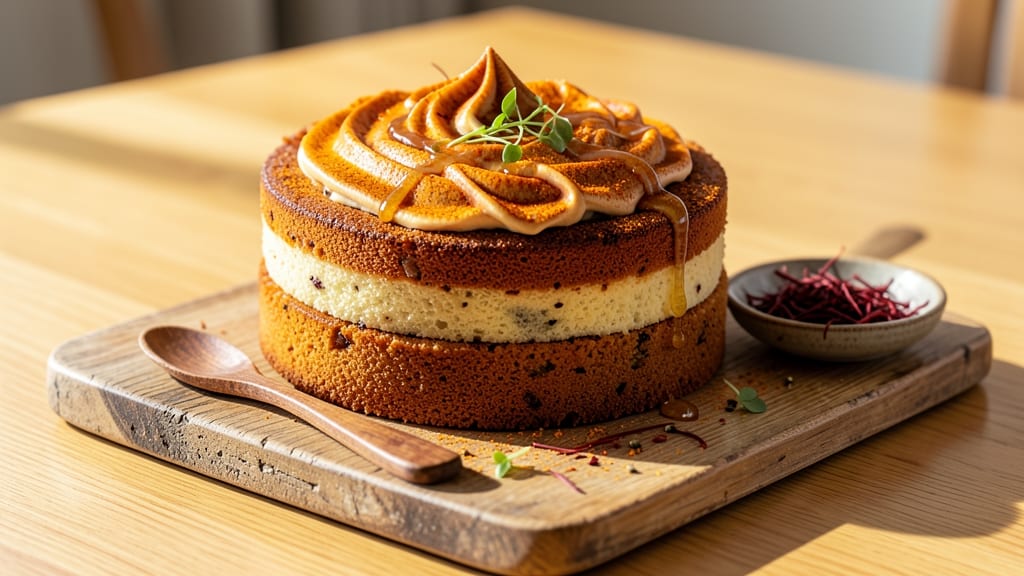
This Arabic saffron cake recipe brings the golden hues and delicate aroma of Middle Eastern tradition to your kitchen, where layers of tender crumb and fragrant saffron create a dessert that feels both luxurious and comforting. 🌟 The secret lies in the slow infusion of saffron threads, which transform simple cake batter into something extraordinary—rich with floral notes and a subtle warmth that lingers with every bite.
What sets this recipe apart is the balance of traditional techniques and modern convenience. The cake features a golden crust that crackles just enough to contrast the soft, spice-infused layers inside, while the saffron’s natural sweetness reduces the need for excessive sugar.
Perfect for celebrations or quiet afternoons, this cake is as impressive to serve as it is to eat.
Baking at 350°F for about 45 minutes, the cake emerges with an even rise and a tender crumb that melts in your mouth. The saffron’s vibrant color seeps through the layers, creating a stunning visual that’s as beautiful as it is delicious.
Whether you’re hosting a gathering or simply craving a taste of the Middle East, this recipe delivers.
For those looking to adapt, gluten-free or vegan variations are possible with simple ingredient swaps—just let me know, and I’ll guide you through the adjustments. The result is a cake that honors tradition while feeling fresh and approachable for any kitchen.
Ingredients for arabic saffron cake
Golden saffron threads and warm spices transform simple pantry staples into this luxurious Middle Eastern dessert.
| Ingredient | Amount | Notes |
|---|---|---|
| All-Purpose Flour 🌾 | 3 cups | Sifted for light texture |
| Granulated Sugar 🍚 | 2 cups | White or light brown |
| Unsalted Butter 🧈 | 1 ½ cups | Cold, cubed for crust |
| Saffron Threads 🌼 | ¼ tsp | High-quality, finely crushed |
| Whole Milk 🥛 | 1 cup | Room temperature |
| Vanilla Extract 🍯 | 1 tsp | Pure, high-quality |
| Ground Cardamom 🌿 | ½ tsp | Freshly toasted preferred |
| Ground Cinnamon 🌶️ | ½ tsp | Sweet, not spicy |
| Baking Powder 🍞 | 1 ½ tsp | Aluminum-free preferred |
| Salt 🧂 | ½ tsp | Fine sea salt |
| Large Eggs 🥚 | 3 whole | Room temperature |
| Orange Zest 🍊 | 1 tbsp | Fresh, finely grated |
| Toasted Almond Slices 🥜 | ½ cup | For golden crust |
| Powdered Sugar 🍚 | ¼ cup | For dusting |
The saffron is non-negotiable here—look for Spanish or Iranian threads at specialty markets like Whole Foods or Middle Eastern grocers. They should be deep red, not yellowish. Toast the almonds in a dry pan until golden (about 3 minutes) for that signature crunch. Fresh cardamom pods are ideal, but ground works in a pinch. I always buy mine from Penzeys Spices—their quality is unmatched. The butter needs to be cold when mixed with the sugar for that perfect golden crust.
No saffron? Turmeric at 1/4 tsp mimics the color (though not the flavor), or skip it entirely. Substitute orange zest with lemon zest at double the amount—it's brighter but works. Out of almonds? Pistachios or hazelnuts add a different but lovely crunch. For a gluten-free version, swap the flour with a 1:1 gluten-free blend (like Bob's Red Mill), but add an extra 1/4 cup almond flour for structure. The eggs must be room temperature—cold eggs cause the batter to curdle.
Store the cake in an airtight container at room temperature for up to 3 days, or refrigerate for 1 week if you prefer it chilled. The flavors deepen overnight, so making it a day ahead is ideal. To revive, warm at 300°F for 10 minutes. Freezes beautifully for 2 months—wrap tightly in plastic wrap, then foil. The golden crust stays crisp if you dust it with powdered sugar right after baking, then store in a cool, dry place.
Why You'll Love This Recipe
- No-Fuss Mixing: I swear by this recipe because it’s just three bowls—no fancy techniques. The saffron soaks in warm milk while you cream butter and sugar, then it’s a matter of folding in flour. Honestly, even if I’m distracted, this cake still turns out golden and tender.
- Golden Luxury: That first bite of saffron-infused crumb? Rich, floral, and subtly aromatic—like a whisper of a bakery in Damascus. The butter keeps it moist, but the saffron gives it this unexpected depth that makes it feel special without being complicated.
- Crowd-Pleaser Any Day: Between us, this cake disappears at gatherings. It’s light enough for brunch but hearty enough for dessert, and the milk-soaked saffron makes every slice feel like a treat. I’ve served it at weddings, potlucks, and lazy Sundays—it never fails.
- Budget-Friendly Magic: Saffron’s pricey, but you only need a pinch—just steep those threads in warm milk for 10 minutes. The rest? Pantry staples. A whole cake costs me less than takeout, and it keeps for days without drying out. (Yes, even on a Tuesday night.)
Step-by-step instructions for Arabic saffron cake
Here's how to craft this luxurious cake with its signature floral saffron aroma and delicate spice notes.
👨🍳 Step 1: Infuse the Saffron and Prepare the Dough
Start by crushing the 0.25 tsp saffron threads between your palms to release their vibrant color and aroma. Add them to the 1 cup whole milk and let steep for 10 minutes while you prepare the rest. This infusion creates the cake's signature floral fragrance and golden hue.
In a stand mixer fitted with the paddle attachment, cream the 1.5 cups unsalted butter and 2 cups granulated sugar on medium speed for 3-4 minutes until light and fluffy. You'll see the mixture nearly double in volume and turn pale. This step is crucial for creating that tender, airy texture that makes this cake so special.
👨🍳 Step 2: Combine Wet Ingredients and Add Spices
Add the 3 whole large eggs, one at a time, mixing well after each addition. Then stir in the 1 tbsp orange zest, 1 tsp vanilla extract, and the saffron-infused milk. Mix until just combined—don't overbeat or the cake will become dense.
In a separate bowl, whisk together the 3 cups all-purpose flour, 1.5 tsp baking powder, 0.5 tsp salt, 0.5 tsp ground cardamom, and 0.5 tsp ground cinnamon. Sift the dry ingredients directly into the wet mixture and mix on low speed just until combined. The batter should be smooth but slightly thick—this is normal for a cake with this rich flavor profile.
🍳 Step 3: Fold in Almonds and Prepare the Pans
Using a spatula, gently fold in the 0.5 cup toasted almond slices to distribute them evenly throughout the batter. The almonds add a delightful crunch that contrasts beautifully with the soft cake layers.
Preheat your oven to 350°F and grease two 9-inch round cake pans with butter or baking spray. Line the bottoms with parchment paper for easy removal. Divide the batter evenly between the prepared pans, spreading it out to create even layers.
⏰ Step 4: Bake to Golden Perfection
Bake for 25-30 minutes or until a toothpick inserted into the center comes out clean. The edges should be golden brown but the tops should remain slightly domed. If your oven runs hot, start checking at the 22-minute mark—every oven behaves differently.
Once baked, remove the cakes from the oven and let them cool in their pans for 10 minutes. Then transfer them to a wire rack to cool completely. This gradual cooling prevents cracking and allows the flavors to meld beautifully.
🍽️ Step 5: Assemble and Dust with Powdered Sugar
While the cakes cool, prepare your filling if using (traditional Arabic cakes often include a rosewater or saffron cream). Once completely cool, level the tops if needed, then place one cake layer on a serving plate.
Spread your chosen filling evenly over the first layer, then place the second layer on top. Dust the entire cake generously with the 0.25 cup powdered sugar for that signature finish. Slice and serve—each bite delivers that perfect balance of tender crumb, floral saffron aroma, and warm spice notes.
Pro Tips For Making Arabic Saffron Cake
- Soak the Saffron Right: I learned this the hard way—just tossing saffron threads into warm milk and hoping for the best? Nope. Crush the threads with a pinch of sugar first, then steep in ¼ cup warm milk for 10 minutes. That concentrated infusion is what gives the cake its signature golden hue and deep aroma—don’t skip the sugar, or the threads will clump like sad little knots.
- Cream Butter and Sugar Slow: High heat makes butter sweat, and sweaty butter means a cake that’s dense or greasy. Use room-temperature butter (yes, even if you’re impatient like me), then beat it with the sugar on medium speed until just pale. Push a finger through the mixture—if it holds a peak but doesn’t look like wet sand, you’re golden. Overmixing later? That’s when you get a tough crumb.
- Don’t Overmix the Batter: I used to think more folding = better texture, but this cake rebels against brute force. Once you add the flour, mix until just combined—lumps and all. Overmixing develops gluten, and that turns your tender saffron cake into a sad, chewy brick. Two minutes max with a spatula, then stop. The butter and milk will do the work.
- Bake Until Golden, Then Wait: The cake pulls away from the edges and springs back when pressed—that’s the classic test, but don’t pull it at 350°F. Let it bake until the top is deep golden, not just pale. Then, here’s the kicker: walk away for 5 minutes before checking. The residual heat finishes the job, and you’ll avoid a dry crumb or a cake that collapses like a deflated balloon. (Your future self will thank you.)
Serving suggestions for arabic saffron cake
Traditional Serving Style
This cake shines when served in thin, delicate slices on a gold-rimmed platter—a nod to classic Middle Eastern hospitality. I like to arrange slices in a sunburst pattern, with the saffron-infused layers facing outward to showcase their golden hue.
Serve with Arabic coffee (like Turkish kahve) or mint tea to complement the warm spices. The contrast of the warm cake with the cooling beverage is pure magic. 🌟
Modern Plating Ideas
For a restaurant-worthy presentation, dust the cake with edible gold leaf and add fresh pomegranate seeds scattered around the base. The tartness of the pomegranate cuts through the richness beautifully.
Another trendy option is drizzling honey (about 2 tbsp) over each slice—it enhances the saffron’s floral notes while adding a touch of elegance. 🍯
Flavor Pairings
Pair this cake with date-filled pastries like ma'amoul for a dessert table that feels authentic yet refined. For a lighter option, serve with whipped yogurt and a drizzle of rosewater syrup—the tanginess balances the cake’s richness.
If you’re feeling adventurous, try a spiced fruit compote made with dried apricots, cinnamon, and orange juice for a sophisticated twist. 🍇
Occasion Adaptations
For Eid celebrations, stack the cake with saffron cream and top with silver-dusted almonds for a festive look. For birthday gatherings, add candied orange peel on top and serve with champagne—the bubbles cleanse the palate between rich bites.
The cake’s versatility makes it perfect for any occasion, from intimate family dinners to grand celebrations. 🎉
Make-Ahead Serving Tips
This cake tastes even better the next day, so bake it a day ahead if possible. Store it in an airtight container at room temperature, and bring it to room temp before serving. If you’re short on time, reheat slices at 300°F for 5-7 minutes to revive the crust’s crispness.
The flavors deepen as the saffron and spices meld overnight—trust me, your guests will notice the difference. ⏰
Garnish Like a Pro
Before serving, dust the cake with powdered sugar using a fine-mesh sieve for an even, snowy finish. Add toasted pistachios or crushed cardamom pods on top for extra texture and aroma.
For a luxurious touch, place a single saffron thread on each slice—it’s a stunning visual and a subtle reminder of the cake’s star ingredient. The presentation elevates the experience just as much as the taste. ✨
Nutrition facts
Frequently asked questions
Can I substitute saffron with turmeric in this cake?
Turmeric won't replicate saffron's floral aroma, but you can use 1/4 tsp turmeric for color—just reduce the orange zest to 1/2 tbsp to balance flavors. For authentic taste, seek out saffron at specialty stores or online. The cake will still be delicious, but the signature saffron fragrance will be missing.
How do I know when the cake is fully baked?
Test doneness by inserting a toothpick into the center—it should come out clean with just a few moist crumbs. The edges should be golden brown while the top remains slightly domed. If your oven runs hot, check at 22 minutes—every oven behaves differently.
Can I make this cake gluten-free?
Yes! Replace the all-purpose flour with a 1:1 gluten-free blend (like Bob's Red Mill) and add 1/4 cup almond flour for better structure. Use xanthan gum if your blend doesn't contain it. The texture will be slightly denser but still delicious. Always measure carefully—gluten-free flours absorb liquids differently.
Why does my cake smell amazing but taste bland?
This usually happens when saffron isn't properly infused. Crush the threads between your palms before steeping in warm milk for 10 minutes—this releases maximum flavor. Also check your spices: fresh cardamom and cinnamon make a huge difference. If needed, add 1/4 tsp more orange zest for brightness.
How should I store leftovers?
Keep the cake in an airtight container at room temperature for up to 3 days, or refrigerate for 1 week. To revive, warm slices at 300°F for 5-7 minutes—this restores the crust's crispness. The flavors actually improve overnight as the saffron and spices meld!