
Desserts
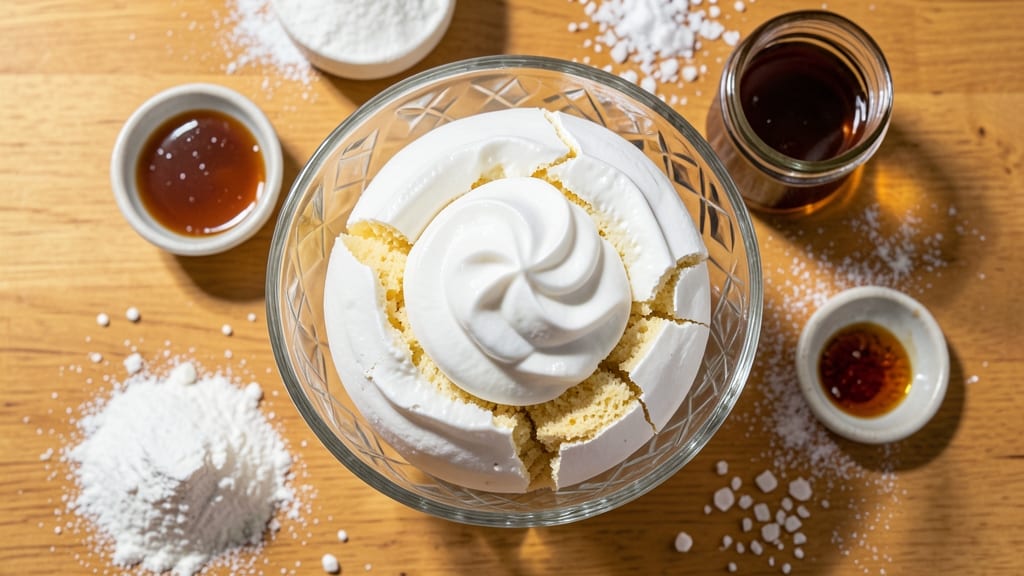
Aquafaba sponge cake proves you don’t need eggs to achieve that signature light, airy texture—just chickpea brine and a whisk. This vegan recipe delivers the same height and delicate crumb as traditional sponge cakes, with a method so simple even beginners will succeed. The key lies in properly whipping aquafaba into stiff peaks, mimicking egg whites' ability to trap air and create structure.
What makes this recipe remarkable is its versatility—it works for birthdays, afternoon tea, or spontaneous dessert cravings without compromising on elegance. The cake bakes up with a golden crust and tender interior, perfect for layering with vegan frosting or dusting with powdered sugar.
Unlike many vegan cakes that can turn dense, this method ensures a true sponge-like texture that rivals classic recipes.
The process begins with reducing aquafaba to remove excess starch, then gradually whipping it to stiff peaks while adding sugar incrementally. This careful technique creates the air pockets essential for a light cake.
Once baked, the result is a delicate yet sturdy cake that slices cleanly and holds its shape—ideal for decorating or serving as-is.
Whether you're baking for dietary reasons or simply curious about plant-based alternatives, this aquafaba sponge cake delivers professional results with minimal effort. The recipe scales easily for gatherings, and leftovers keep well for 3 days when stored properly. Let’s get started on creating your egg-free masterpiece.
Ingredients for aquafaba sponge cake
Eight simple ingredients transform chickpea brine into a light, airy sponge cake with restaurant-quality texture.
| Ingredient | Amount | Notes |
|---|---|---|
| Aquafaba (Chickpea Brine) 🥄 | 1 cup | Unsalted, from canned chickpeas |
| Granulated Sugar 🍚 | 1 ½ cups | Superfine preferred for smooth texture |
| All-Purpose Flour 🌾 | 1 ½ cups | Sifted, plus extra for dusting |
| Baking Powder 🧂 | 1 tsp | Aluminum-free for best results |
| Vanilla Extract 🌸 | 1 tsp | Pure alcohol-free preferred |
| Salt 🧂 | ¼ tsp | Fine sea salt preferred |
| Cornstarch 🌾 | 1 tbsp | For reducing aquafaba starch |
| Vegetable Oil 🫒 | 2 tbsp | Light, neutral flavor preferred |
| Lemon Zest 🍋 | 1 tbsp | Fresh, finely grated |
| Powdered Sugar 🍚 | ½ cup | For dusting (optional) |
| Unsweetened Almond Milk 🥛 | ¼ cup | For brushing cake layers |
The aquafaba is the star here—always use unsalted brine from canned chickpeas (the salted kind throws off the balance). Trader Joe's or Whole Foods carry high-quality canned chickpeas with minimal additives. For best results, reduce the aquafaba first by simmering it with cornstarch to remove excess starch, which prevents a gummy texture. The sugar should be superfine for smooth whipping, but if you only have granulated, pulse it in a food processor until fine. The vanilla extract should be pure—alcohol-free versions work just as well and avoid any aftertaste.
No aquafaba on hand? Vegan egg whites (like Just Egg) work as a 1:1 substitute, though texture may vary slightly. Running short on sugar? Maple syrup or agave nectar can replace up to half the granulated sugar, though the cake will be denser. For a citrus twist, swap lemon zest for orange zest or lime zest. The baking powder must be fresh—if it's over a year old, test it first by mixing with water (should bubble immediately). And if you're making layers, almond milk for brushing keeps the cake moist without adding richness.
This cake keeps beautifully for 3 days at room temperature wrapped in parchment, or up to 1 week refrigerated in an airtight container. For longer storage, freeze layers between parchment for up to 3 months. To serve, dust with powdered sugar just before slicing—it adds a professional finish. The cake reheats well in a 200°F oven for 5-10 minutes if it's been refrigerated, restoring its softness. Portion into individual slices for parties, or store whole for easy grab-and-go desserts.
Why You'll Love This Recipe
- No Eggs, No Problem: I’ll admit, I was skeptical about using chickpea brine instead of eggs—but that aquafaba whips into a cloud so light, you’d never guess it’s plant-based. The texture? Chef’s kiss—moist but airy, with that perfect crumb you’d expect from a classic sponge.
- Vanilla Kiss: That little splash of vanilla extract? It’s the secret weapon. The cake has a gentle sweetness that lingers just enough to make it feel indulgent, without tasting like dessert. Honestly, my coffee-loving husband now asks for seconds.
- Budget-Friendly Baking: Between us, baking powder and flour are pantry staples, and you’re already using chickpea brine from a can of beans. This cake costs me pennies to make—yet it’s the kind of treat I’d normally splurge on. (Yes, even on a Tuesday night.)
- Make-Ahead Magic: Slice it, wrap it, and stash it for days. The sponge stays fresh longer than store-bought, and it’s perfect for breakfast toasts or a quick snack. I’ve even packed it in lunches—no one suspects it’s just flour, sugar, and a little liquid gold from a can.
Step-by-step instructions for aquafaba sponge cake
Master this plant-based technique for a light, airy sponge that rivals traditional egg-based cakes.
Prepare the Aquafaba Meringue
Pour the 1 cup aquafaba (chickpea brine) into a clean, grease-free metal bowl. Using a hand mixer or stand mixer fitted with the whisk attachment, beat on high speed for 10-12 minutes until stiff, glossy peaks form. You'll notice the mixture gradually thicken, then lighten in color as air incorporates—this is when you know it's ready.
For best results, I recommend using unsalted aquafaba from canned chickpeas. If your brine contains salt, reduce the added 0.25 teaspoon salt slightly to balance flavors. Stop beating as soon as you see those classic meringue peaks—overmixing can make the cake dense.
Whisk Dry Ingredients and Combine
In a separate bowl, sift together the 1.5 cups all-purpose flour, 1 teaspoon baking powder, and 0.25 teaspoon salt. This ensures even distribution and prevents lumps in your final cake. Whisk in the 1 tablespoon cornstarch and set aside.
To the aquafaba meringue, gradually add the 1.5 cups granulated sugar while mixing on medium speed. Then add the 1 teaspoon vanilla extract and 1 tablespoon lemon zest. With the mixer running on low speed, carefully fold in the dry ingredients using a spatula, mixing just until combined. Be gentle here—overmixing develops gluten and makes the cake tough.
Bake in Prepared Pans
Preheat your oven to 350°F. Generously grease two 8-inch round cake pans with vegetable oil and line the bottoms with parchment paper. Divide the batter evenly between the pans, tapping them gently on the counter to remove air bubbles. The batter should fill the pans about ⅔ full—don't overfill or the cake will spill over.
Bake for 25-30 minutes or until a toothpick inserted in the center comes out clean. The cake should spring back when gently pressed in the center. I've found that removing the cakes from the oven 2-3 minutes early prevents overbrowning while still ensuring they're fully cooked through.
Cool and Layer (Optional)
Allow the cakes to cool in their pans for 10 minutes, then transfer to a wire rack to cool completely. For a layered cake, place one layer on a serving plate and brush the top with 0.25 cup unsweetened almond milk mixed with 1 tablespoon vegetable oil. Add the second layer and dust the top and sides with 0.5 cup powdered sugar for a professional finish.
This cake keeps well at room temperature for 2-3 days when stored in an airtight container. For best texture, serve at room temperature—never refrigerated, as this makes aquafaba cakes dry out. The lemon zest adds a bright citrus note that pairs beautifully with fresh berries or a dusting of powdered sugar.
Pro Tips For Making Aquafaba Sponge Cake
- WHISK AQUAFABA COLD: I learned this the hard way—whisking warm aquafaba introduces air bubbles that won’t hold. Use straight-up cold brine straight from the fridge (yes, even if you’re impatient like me). The cold fat in the chickpeas stabilizes the foam better, giving you that signature lightness without collapsing.
- SIFT DRY INGREDIENTS TOGETHER: Mixing flour and baking powder separately risks uneven distribution, which leads to dense spots. Sift them together first, then fold gently into the whipped aquafaba. This isn’t the prettiest method, but it’s the tastiest—your cake will rise evenly and stay tender.
- BAKE UNTIL SPRINGY: That toothpick test is overrated for sponge cakes. Press the center lightly—it should bounce back almost instantly. If it springs up like a trampoline, you’re golden. Overbaking dries out the aquafaba’s delicate structure, so resist the urge to peek.
- ADD VANILLA LAST: Vanilla extract’s alcohol can weaken the aquafaba’s foam if mixed in too early. Stir it into the batter just before folding in the flour. This keeps the volume high and the flavor bright—no sad, flat cakes here.
Creative variations of these flavors
Citrus Variations
Swap the lemon zest for orange zest (about 1 tablespoon) to create a warm, slightly floral sponge perfect for holiday desserts. The orange flavor pairs beautifully with vanilla bean paste instead of extract for added depth.
For a tropical twist, use lime zest and infuse the almond milk brushing layer with 1 teaspoon lime juice before assembling.
For a grapefruit twist, use 1 tablespoon grapefruit zest and reduce the sugar slightly to 1.25 cups—the natural bitterness balances the sweetness. I’ve found this version works especially well with a vegan coconut whipped cream topping. Always zest carefully to avoid the bitter white pith!
Spiced Adaptations
Add ½ teaspoon ground cinnamon and ¼ teaspoon cardamom to the dry ingredients for a Moroccan-inspired sponge. The spices complement the aquafaba’s natural earthiness while adding warmth.
Pair this with a rosewater syrup drizzle (mix 2 tablespoons rosewater with ¼ cup sugar and 2 tablespoons water, simmered until slightly thickened).
For a Mexican-inspired version, fold in ½ teaspoon ground cumin with the dry ingredients and top with a chili-lime glaze (mix 2 tablespoons lime juice, 1 tablespoon maple syrup, and ¼ teaspoon cayenne pepper). This unexpected combo adds a smoky-sweet contrast that’s surprisingly delicious.
Flavor Boosters
Enhance the vanilla flavor by adding 1 teaspoon vanilla bean paste (or scrape seeds from 1 vanilla bean) instead of extract. For extra richness, replace 1 tablespoon of the almond milk with 1 tablespoon melted coconut oil—this adds moisture without altering the cake’s delicate texture.
I’ve also found that 1 teaspoon instant coffee granules dissolved in the almond milk brushing layer deepens the chocolate notes if you’re layering with a vegan chocolate ganache.
For a nutty crunch, fold ¼ cup finely chopped toasted hazelnuts into the batter before baking. Toast ½ cup hazelnuts in a dry pan over medium heat for 5 minutes, then pulse in a food processor until coarsely chopped. This adds texture while keeping the cake’s lightness intact.
Global Twists
Create a Japanese-inspired matcha version by whisking 1 tablespoon matcha powder into the dry ingredients. Reduce the flour to 1.25 cups to compensate for the matcha’s density. Top with white chocolate shavings and fresh raspberries for a visually stunning dessert. The earthy matcha pairs perfectly with the aquafaba’s neutral base.
For a German-inspired take, fold 1 tablespoon finely grated apple (from about ½ small apple) into the batter along with ½ teaspoon ground ginger.
This adds subtle sweetness and moisture, making the cake ideal for serving with vegan apple compote. The ginger also enhances the lemon zest’s brightness.
Texture Experiments
Add ¼ cup freeze-dried raspberries or blueberries to the batter for bursts of fruity flavor and texture. Pulse the dried fruit in a food processor until finely chopped to avoid dense pockets.
This works especially well with the orange zest variation, creating a vibrant, colorful cake. Just be sure to distribute the fruit evenly!
For a crunchy bottom layer, sprinkle 1 tablespoon crushed pistachios or pecans into the pans before adding the batter. Press them gently into the base so they bake into a flavorful crust.
This technique adds a delightful contrast to the soft sponge, especially when paired with a vegan lemon curd filling.
Nutrition facts
Frequently asked questions
Why does aquafaba work as an egg substitute in sponge cake?
Aquafaba mimics egg whites by trapping air when whipped to stiff peaks, creating the same light, airy structure as traditional sponge cakes. The protein in chickpea brine forms stable bubbles when combined with sugar, just like egg whites. This technique has been perfected by vegan bakers to achieve professional results without animal products.
Can I make this cake without a stand mixer?
Yes! Use a hand mixer or even a whisk for 15-20 minutes of vigorous whipping to achieve stiff peaks. Work in short bursts to avoid overheating the bowl. For best results, reduce the aquafaba to ½ cup first by simmering it with cornstarch—this makes whipping easier and prevents a gummy texture.
What's the secret to preventing a dense cake?
Three key factors: 1) Whip aquafaba to stiff peaks (not soft), 2) Sift dry ingredients thoroughly to prevent lumps, and 3) Fold gently when combining—overmixing develops gluten. Also, ensure your aquafaba is unsalted and reduced to remove excess starch. The cake should spring back when pressed, not feel heavy.
How do I store and reheat this cake?
Keep at room temperature in an airtight container for 2-3 days or refrigerate for 1 week. For reheating, wrap slices in a damp paper towel and warm in a 200°F oven for 5-8 minutes to restore moisture. Never refrigerate if serving immediately—the cold makes aquafaba cakes dry out. The lemon zest flavor actually improves slightly after 24 hours!
Can I substitute aquafaba with something else?
For a 1:1 replacement, use vegan egg whites (like Just Egg) or silken tofu blended with cornstarch. However, aquafaba's unique protein structure gives the best texture. If you must substitute, reduce the sugar slightly (1.25 cups) since commercial egg substitutes are often sweeter. The cake will still be light but may lack the same height.