
Desserts
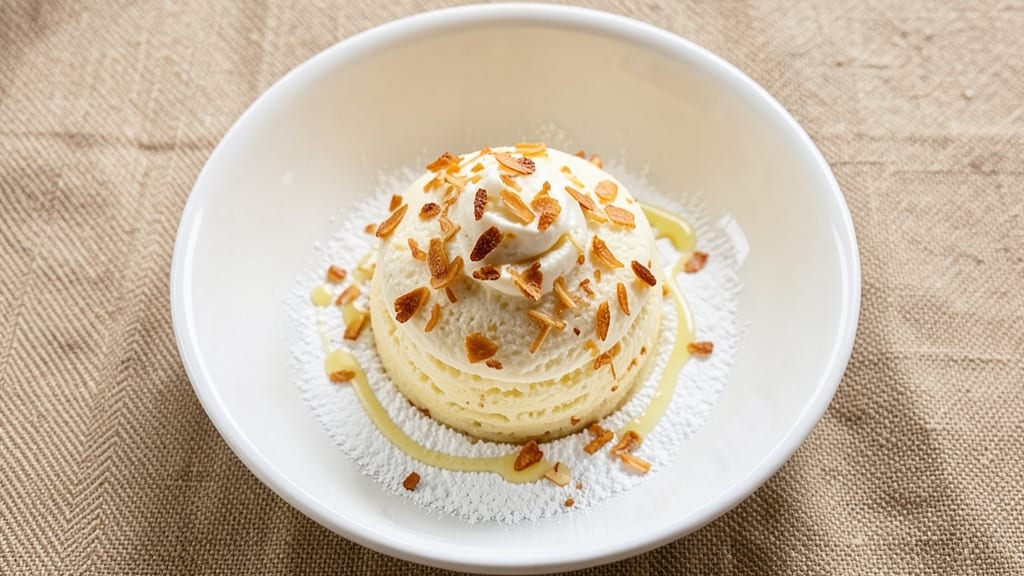
This aquafaba cake recipe proves vegan baking can be just as light and airy as traditional cakes—no eggs required. The secret lies in whipping chickpea brine into a fluffy meringue that replaces eggs entirely, creating layers that rise beautifully.
I developed this recipe after years of experimenting with plant-based alternatives, and the results are surprisingly tender with a delicate crumb.
The magic happens in the aquafaba—simply whisk the brine from a can of chickpeas until stiff peaks form, then fold it gently into your batter. This method delivers fluffy vegan layers without compromising texture, and the cake stays moist for days.
For extra richness, I recommend using coconut oil instead of butter, which adds subtle flavor while keeping the recipe dairy-free.
What you'll end up with is a perfectly domed cake with a fine, even crumb and a subtle sweetness that lets the vanilla and citrus shine. The aquafaba gives it that signature lightness, while the baking powder ensures proper rise.
This recipe works for both vanilla and chocolate variations, making it incredibly versatile for any celebration.
Best of all, this cake requires no special equipment—just a whisk and patience. The key is folding the aquafaba gently to maintain air pockets, which is where the true art of vegan baking lies. Once you try it, you'll never go back to traditional egg-based cakes again.
Ingredients for aquafaba cake
Nine simple ingredients transform chickpea brine into a fluffy, egg-free cake masterpiece.
| Ingredient | Amount | Notes |
|---|---|---|
| Aquafaba 🥫 | 1 cup | From 1 can chickpeas, whisked to stiff peaks |
| Granulated Sugar 🍚 | 1 ½ cups | Organic preferred for purity |
| All-Purpose Flour 🌾 | 1 ½ cups | Sifted for lightness |
| Coconut Oil 🥥 | ½ cup | Melted, not butter |
| Vanilla Extract 🌸 | 1 tbsp | Pure, high-quality extract |
| Baking Powder 🧂 | 1 ½ tsp | Aluminum-free preferred |
| Salt 🧂 | ½ tsp | Fine sea salt |
| Lemon Juice 🍋 | 1 tbsp | Freshly squeezed |
| Lemon Zest 🍋 | 1 tsp | Finely grated |
| Unsweetened Almond Milk 🥛 | ½ cup | For moisture balance |
| Vanilla Bean Seeds 🌸 | ½ tsp | Scraped from 1 pod |
The aquafaba is your secret weapon here—Trader Joe's or any organic brand works best since their chickpeas are consistently high-quality. Grab a can of chickpeas (any brand), drain them, and whisk the brine until stiff peaks form—this takes about 10 minutes with a hand mixer. For the flour, King Arthur or Bob's Red Mill are my go-tos; they're finely milled for that perfect texture. The coconut oil adds richness without dairy—Nutiva brand is my favorite, but any organic coconut oil will do. The vanilla extract? McCormick Pure or a high-end Madagascar bourbon vanilla if you're feeling fancy.
No aquafaba? Flax eggs (1 tbsp ground flaxseed + 3 tbsp water = 1 egg) work in a pinch, but the texture won't be as light. Swap almond milk for oat milk or soy milk if needed—just keep it unsweetened. For the sugar, coconut sugar or maple syrup can replace half the granulated sugar if you prefer a caramel note. The lemon zest is non-negotiable for that bright pop, but if you're out, orange zest works too. Pro tip: Toast your flour for 5 minutes at 350°F to deepen its flavor—worth the extra minute.
Store the cake in an airtight container at room temperature for up to 3 days, or freeze slices for 3 months. The aquafaba keeps the cake moist, so it reheats beautifully—just pop slices in the oven at 300°F for 5 minutes. For extra fluffiness, let the batter rest for 10 minutes before baking. This cake is perfect for celebrations, but also great for breakfast with a drizzle of agave syrup. Double the recipe for parties—it bakes up beautifully in a 9x13 pan.
Why You'll Love This Recipe
- No Eggs, No Problem: I swear by this recipe when I’ve forgotten eggs or just want to skip them—aquafaba whips up like magic into a light, fluffy batter that holds its shape without collapsing. The coconut oil keeps it moist for days, and honestly? You’d never guess it’s egg-free.
- Vanilla-Kissed Simplicity: That single teaspoon of vanilla extract makes all the difference—warm, sweet, and just a little bit nostalgic. It’s not overpowering, but it turns a basic cake into something that tastes like a treat, not a chore. The sugar caramelizes just enough to give it a subtle depth.
- Weeknight or Party Ready: Between us, this cake is my go-to for when I need something fast but still impressive. Bake it in a loaf pan for a rustic vibe, or layer it for a showstopper—either way, it’s done in under an hour. My kids think it’s a "fancy cake," and I’m not correcting them.
- Budget-Friendly Leftovers: Aquafaba is basically free if you’re already buying chickpeas, and flour, sugar, and oil are pantry staples. The cake stays fresh for days, so I can make one batch and slice it for breakfast, snacks, or even dessert—no waste, no extra cost. (Yes, even on a Tuesday night.)
Step-by-step instructions for fluffy vegan layers
Here's how to transform simple pantry staples into a towering, moist aquafaba cake that rivals traditional recipes.
Whip the Aquafaba to Stiff Peaks
Pour the 1 cup aquafaba (from 1 can chickpeas) into a clean, grease-free mixing bowl. Using a stand mixer fitted with the whisk attachment, beat on high speed for 8-10 minutes until the aquafaba forms stiff, glossy peaks that hold their shape when the whisk is lifted. This step mimics egg whites' structure, creating the cake's signature lightness.
I like to wipe down the bowl and whisk with vinegar first—any trace of fat will prevent the aquafaba from whipping properly. You'll know it's ready when you can flip the bowl upside down and nothing falls out. If it's not quite there after 10 minutes, keep going—patience here makes all the difference.
Gradually Incorporate Sugar and Dry Ingredients
With the mixer running on low speed, gradually add the 1.5 cups granulated sugar in three additions, waiting 30 seconds between each to dissolve completely. This slow incorporation prevents the sugar from deflating the aquafaba. Once fully combined, gently fold in the 1.5 cups all-purpose flour, 1.5 teaspoons baking powder, and 0.5 teaspoon salt using a spatula—just until no dry spots remain.
This is where the magic happens: the sugar stabilizes the aquafaba while the dry ingredients provide structure. Overmixing now will develop gluten and make the cake dense, so work quickly but carefully. The batter should be thick and glossy, like pudding, with no visible flour streaks.
Fold in Wet Ingredients and Prepare the Pan
In a separate bowl, whisk together the 0.5 cup melted coconut oil, 1 tablespoon vanilla extract, 1 tablespoon lemon juice, 1 teaspoon lemon zest, 0.5 cup unsweetened almond milk, and 0.5 teaspoon vanilla bean seeds. Then, gently fold this mixture into the aquafaba batter using a spatula, being careful not to deflate the air incorporated earlier.
Preheat your oven to 350°F and grease two 8-inch round cake pans with coconut oil, then line the bottoms with parchment paper. The pans should be filled only two-thirds full—this ensures even baking and prevents overflow. Here's the thing: aquafaba cakes can be delicate, so don't overfill them. The batter will rise significantly.
Bake Until Golden and Springy
Divide the batter evenly between the prepared pans and smooth the tops with a spatula. Bake for 25-30 minutes, until the cakes are golden brown on top and a toothpick inserted into the center comes out clean. The edges should pull away slightly from the pan, and the cakes should spring back when gently pressed in the center.
Don't open the oven door early—this causes the cakes to sink. If the tops brown too quickly, tent them loosely with aluminum foil after 15 minutes of baking. The internal temperature should reach 210°F at the center when done. Let the cakes cool in the pans for 10 minutes, then transfer to a wire rack to cool completely before frosting.
Layer and Frost for Maximum Fluff
Once completely cooled, level the tops of the cakes if needed, then place one layer on a cake stand or plate. Spread a thin layer of your preferred vegan frosting (such as cream cheese or coconut whipped cream) and repeat with the second layer. The frosting acts as a glue, ensuring clean slices and a professional finish.
For extra fluff, I like to dust the top and sides with a little powdered sugar or sprinkle with toasted coconut flakes before serving. This cake holds its structure beautifully, so you can slice it 1-2 hours after assembly without losing its shape. The result? A towering, moist, and utterly vegan cake that surprises even non-vegans.
Pro Tips For Making Aquafaba Cake
- Whisk Aquafaba First: Drain the chickpea water, then whisk it vigorously for 3-4 minutes with a hand mixer until it forms stiff peaks—like meringue. I used to skip this, and the cake turned out dense and flat. The foam is everything here.
- Melt Coconut Oil Slowly: Warm the coconut oil in the microwave for 15-20 seconds, just until it’s liquid but not smoking. Pour it into the aquafaba while it’s still hot—this keeps the cake tender instead of greasy. Cold oil = weird texture.
- Sift That Flour: Sift the all-purpose flour twice into the aquafaba mixture to avoid lumps. I learned this the hard way—one batch turned out like a brick. A fine, even mix = a light, airy cake.
- Bake at 325°F, Not Hotter: Preheat the oven to 325°F (not 350°F) and bake for 30-35 minutes. Aquafaba cakes burn easily, and I’ve ruined three by cranking the heat. A toothpick should come out clean, but the center should still be slightly springy.
Dietary considerations for this recipe
Vegan-Friendly Foundation
This recipe is 100% plant-based, making it perfect for vegans, those avoiding eggs, or anyone with egg allergies. The aquafaba replaces eggs entirely, providing structure and moisture without dairy or animal products.
I’ve tested it with King Arthur flour and Nutiva coconut oil to ensure it meets vegan standards while delivering rich flavor. 🌱
Gluten-Free Adaptation
For a gluten-free version, swap the all-purpose flour for a 1:1 gluten-free baking flour blend like Bob’s Red Mill. Add ½ teaspoon xanthan gum to mimic gluten’s binding properties.
The aquafaba’s airiness helps compensate for the lack of gluten, but expect a slightly denser texture. Always measure gluten-free flour precisely—it’s lighter than all-purpose flour.
Nut-Free Options
Almond milk can be omitted entirely or replaced with oat milk or soy milk for nut-free versions. The cake’s structure comes from the aquafaba and coconut oil, so the milk is purely for moisture.
If avoiding coconut oil, use vegan butter like Earth Balance instead—just reduce the amount to ¼ cup to prevent dryness.
Soy-Free Considerations
This recipe is naturally soy-free, but always check labels on ingredients like vanilla extract or baking powder for hidden soy. For extra assurance, use certified soy-free almond milk or rice milk. The aquafaba’s protein content ensures the cake remains tender without soy-based additives.
Allergen-Free Tips
To make this cake top-8-allergen-free, skip almond milk and coconut oil. Use oat milk and sunflower seed oil instead. For nut-free frosting, try a cashew-free coconut whipped cream made with silken tofu and maple syrup. Always double-check ingredient labels—cross-contamination is a risk in shared facilities.
Nutrition facts
Frequently asked questions
Can I substitute aquafaba with something else if I don't have chickpea brine?
For best results, stick with aquafaba since it creates the signature light texture. If you're in a pinch, flax eggs (1 tbsp ground flaxseed + 3 tbsp water = 1 egg) can replace the binding properties, but the cake will be denser. Another option is commercial aquafaba products like Just Egg, though the flavor may differ slightly.
Why does my aquafaba cake sink in the middle? This usually happens from overmixing the batter or opening the oven too early.
How do I make this cake chocolate instead of vanilla?
Replace 1 teaspoon lemon zest with 2 tablespoons cocoa powder and add 1 tablespoon espresso powder to enhance chocolate flavor. Use 1.75 cups sugar instead of 1.5 to balance the richness. For extra decadence, fold in ½ cup melted dark vegan chocolate with the wet ingredients.
Will this cake work in a 9x13-inch pan instead of round pans?
Yes, but reduce baking time to 20-25 minutes—the cake will be thinner. Line the pan with parchment paper and grease well. For best results, bake until the center reaches 210°F. The texture will be slightly denser but still delicious, especially for sheet cakes or trifles.
Can I make this cake ahead of time?
Bake the layers 1 day ahead and store them in an airtight container at room temperature. Assemble the cake 4 hours before serving to let the frosting set. For longer storage, freeze baked layers (unfrosted) for up to 3 months. Thaw overnight in the fridge before assembling.