
Desserts
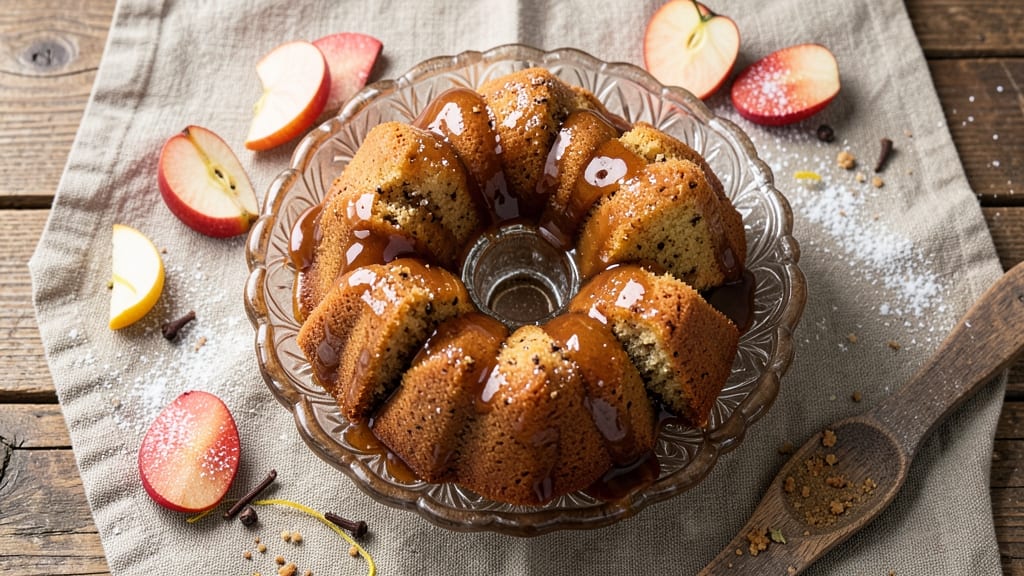
This apple cider mini bundt cake recipe transforms fall’s coziest flavors into perfectly portioned, buttery cakes with a spiced cider kick. The secret lies in blending warm spices with apple cider syrup, creating a moist crumb that’s tender yet sturdy enough to hold its shape in delicate mini bundt pans.
I’ve perfected this recipe for gatherings where every bite feels like a hug—no one will resist seconds.
The magic starts with a foolproof batter that relies on melted butter and cider syrup for richness, while cinnamon, nutmeg, and cloves infuse every layer with autumnal warmth.
A light dusting of powdered sugar and a drizzle of caramel glaze elevate the presentation, making these cakes look as inviting as they taste. The baking time is precise—just 18-22 minutes—to ensure a golden crust without over-browning.
What sets these apart is the textural contrast: a tender crumb with a subtle crunch from the cider syrup, all wrapped in a buttery finish. Serve them warm with vanilla ice cream or dusted with cinnamon sugar for a restaurant-worthy dessert that’s surprisingly easy to bake.
Each bite delivers that perfect balance of sweet, spiced, and tangy—exactly what fall cravings demand.
Perfect for holiday brunches, potlucks, or cozy weekend desserts, these mini bundt cakes are designed to impress without the fuss. The recipe scales effortlessly, so you can make a dozen for a crowd or just a few for a special treat.
Let’s bake them together—your kitchen will smell like autumn in minutes.
Ingredients for apple cider mini bundt cake
Twelve ingredients for twelve cozy mini bundt cakes bursting with autumn's warmest flavors.
| Ingredient | Amount | Notes |
|---|---|---|
| All-Purpose Flour 🌾 | 2 cups | Sifted for light texture |
| Granulated Sugar 🍚 | 1 ½ cups | White or light brown |
| Unsalted Butter 🧈 | 1 cup | Melted, full-fat preferred |
| Apple Cider Syrup 🍎 | ½ cup | Store-bought or homemade |
| Large Eggs 🥚 | 2 whole | Room temperature for blending |
| Vanilla Extract 🌿 | 1 tbsp | Pure, high-quality preferred |
| Ground Cinnamon 🌶️ | 2 tsp | Freshly ground for warmth |
| Ground Nutmeg 🌶️ | ½ tsp | Freshly grated for depth |
| Ground Cloves 🌶️ | ¼ tsp | Lightly toasted for aroma |
| Baking Powder 🍞 | 1 ½ tsp | Aluminum-free preferred |
| Salt 🧂 | ½ tsp | Fine sea salt |
| Powdered Sugar 🍚 | ½ cup | For dusting and glaze |
| Caramel Glaze 🍯 | ¼ cup | Store-bought or homemade |
The apple cider syrup is non-negotiable here—Mott's or homemade gives the best depth. For the spices, Penzeys or bulk bins ensure freshness, but regular grocery store brands work too. The flour? King Arthur or Bob's Red Mill for consistent results. If you're making a big batch, Costco sells butter in bulk, saving you money without sacrificing quality. The baking powder matters—aluminum-free keeps the cakes light and fluffy.
No apple cider syrup? Apple juice reduced by half works in a pinch, but you'll lose that signature tang. Freshly ground spices make all the difference—pre-ground loses potency fast. For the caramel glaze, Trader Joe's or store-brand are perfectly fine. Need to skip the glaze? A sprinkle of cinnamon sugar adds just as much charm. The powdered sugar? Confectioners' sugar is best—it dissolves smoothly for that perfect dusting.
Store the batter for up to 24 hours in the fridge, but bake fresh for best texture. These cakes reheat beautifully—30 seconds in the microwave brings back that warm, gooey goodness. Freeze unbaked cakes for 2 months on a tray before transferring to a bag. The glaze sets quickly, so apply it right after baking for that restaurant-fresh look.
Why You'll Love This Recipe
- No Mixer Needed: I swear by this recipe when I’m too tired to cream butter and sugar properly. Just melt the butter, whisk it with the sugar and cider syrup until smooth—no standing over a hot bowl or electric mixer. The eggs come together in a snap, and the batter’s so forgiving you’ll forget you didn’t follow a step-by-step guide.
- Cider-Kissed Magic: That apple cider syrup isn’t just flavor—it’s the star. The cake has this warm, spiced sweetness that tastes like autumn in every bite, but it’s not cloying or heavy. The butter keeps it rich without being greasy, and the mini bundt shape means you get that perfect rise and tender crumb in bite-sized portions.
- Party in a Pan: Between us, these are my go-to for holiday gatherings, book club meetups, or even a cozy Sunday brunch. They’re small enough to share without overwhelming anyone, and the bundt shape makes them feel fancy—no one will guess they took less than an hour to bake. Plus, they reheat beautifully, so you can bake a batch ahead and serve them at room temp.
- Zero-Waste Winner: I make a double batch, freeze half, and pull them out whenever I need a sweet treat. The syrup’s cheap, the butter’s a pantry staple, and flour lasts forever. No fancy ingredients, no food waste—just pure, reliable dessert that doesn’t break the bank. And honestly? They’re so good, I’d rather eat these than buy overpriced pastries.
Step-by-step instructions for apple cider mini bundt cakes
Here's how to create moist, spiced mini Bundt cakes with perfect texture and caramel drizzle.
Prepare the Dry and Wet Ingredients Separately
In a medium bowl, whisk together the 2 cups All-Purpose Flour, 1.5 cups Granulated Sugar, 2 tsp Ground Cinnamon, 0.5 tsp Ground Nutmeg, 0.25 tsp Ground Cloves, 1.5 tsp Baking Powder, and 0.5 tsp Salt. Sift the flour mixture twice for a light, airy texture—this prevents dense cakes. Set aside.
In a separate large bowl, melt the 1 cup Unsalted Butter in the microwave in 30-second intervals, stirring between each, until completely smooth. Let it cool slightly, then whisk in the 0.5 cup Apple Cider Syrup and 2 whole Large Eggs until fully combined. Add the 1 tbsp Vanilla Extract and mix well. The batter should be slightly thick but pourable.
Combine Wet and Dry Ingredients Gently
Gradually add the dry ingredients to the wet mixture, folding gently with a spatula to avoid overmixing. Stop mixing as soon as the flour is just incorporated—you should still see small streaks of flour. Overmixing develops gluten, which makes the cakes tough instead of tender.
This is where the magic happens: the warm spices and apple cider syrup infuse the batter with deep autumnal flavor. The melted butter keeps the texture moist, while the baking powder ensures a light rise. Let the batter rest for 10 minutes at room temperature—this allows the flour to fully hydrate and the spices to meld.
Prepare the Bundt Pan and Preheat the Oven
Generously grease 12 mini Bundt cake pans with baking spray or softened butter, ensuring the entire cavity is coated. Dust lightly with flour and tap out any excess—this prevents sticking and ensures easy removal. Preheat your oven to 350°F and place the mini Bundt pans on a baking sheet.
Divide the batter evenly among the prepared pans, filling each ¾ full. Tap the pans gently on the counter to release any air bubbles. The batter should settle slightly but not overflow. Bake for 18-22 minutes until a toothpick inserted into the center comes out clean and the edges are golden brown.
Cool and Glaze the Cakes
Remove the cakes from the oven and let them cool in the pans for 5 minutes. Then carefully invert each cake onto a wire rack to cool completely. This step is crucial—cooling upside down prevents soggy bottoms and gives the cakes their signature domed shape.
Once fully cooled, dust the tops generously with 0.5 cup Powdered Sugar using a fine-mesh sieve. In a small bowl, warm the 0.25 cup Caramel Glaze in 10-second intervals in the microwave until smooth and pourable. Drizzle over the cooled cakes and let the glaze set for 10 minutes before serving. The contrast of warm spices, buttery crunch, and sweet caramel makes every bite irresistible.
Pro Tips For Making Apple Cider Mini Bundt Cake
- Grease Bundt Pans Cold: I used to rush this step and end up with a cake that stuck like glue. Instead, pop those mini Bundt pans in the freezer for 10 minutes first, then grease them with butter and dust with flour—cold pans hold the grease better, and your cakes will release cleanly. (Yes, even if you're impatient like me.)
- Whisk Butter and Sugar Foamy: That flat, dense cake? Probably from under-whisked butter and sugar. Beat the butter and sugar until it’s light and fluffy—about 3-4 minutes with a stand mixer or until the mixture looks like it could float a boat. The air you trap here makes all the difference in that tender crumb.
- Skip Overmixing the Batter: I learned this the hard way—gluing the batter together turns your cake into a dense brick. Once you add the flour, mix just until combined, then stop. Overmixing develops gluten, and that’s the last thing you want in a delicate Bundt cake. Fold in the cider syrup last to keep it from breaking the batter.
- Bake Until Internal Temp Hits 205°F: That toothpick test is helpful, but don’t rely on it alone—apple cider cakes can look done but still be gummy inside. Use an instant-read thermometer to check the center; pull it out at 205°F. If you’re unsure, let it cool 5 minutes before testing—it’ll firm up as it rests. (Your future self will thank you.)
Regional styles of these flavors
New England Cozy Twist
In New England, these mini bundt cakes get a maple-cider fusion by replacing half the apple cider syrup with pure Vermont maple syrup. Use ¼ cup maple syrup plus ¼ cup apple cider syrup for that signature Vermont sweetness.
Add ½ tsp cinnamon to the powdered sugar dusting and serve with whipped cream for a true fall brunch treat. 🍁
Southern Comfort Style
Southern bakers elevate these cakes by adding ½ cup pecans to the batter for a nutty crunch. Toast the pecans in a dry pan over medium heat for 3-4 minutes until fragrant, then chop them finely.
Fold them into the batter just before baking. Top with a bourbon caramel glaze (simmer ½ cup caramel sauce with 1 tbsp bourbon) for an adult-friendly twist. 🥜
Midwest Apple Orchard
The Midwest takes these cakes to the next level with a caramel apple topping. After baking, drizzle each cake with 1 tbsp caramel sauce while warm, then press a thin apple slice (from a Granny Smith apple) onto the top.
Let the caramel set before serving. Pair with vanilla ice cream for a classic orchard-style dessert. 🍎
Pacific Northwest Berry Fusion
West Coast bakers blend raspberry jam into the batter for a tart contrast. Mix 2 tbsp raspberry jam with the apple cider syrup before adding it to the wet ingredients.
Garnish with fresh raspberries and a sprinkle of crushed freeze-dried raspberries for a pop of color and extra berry flavor. Serve with coconut whipped cream for a tropical-meets-autumn vibe. 🍓
German Spiced Adaptation
For a German-inspired version, swap the vanilla extract for 1 tsp almond extract and add ½ tsp cardamom to the spice mix. Replace the caramel glaze with a dark chocolate ganache (melt ½ cup dark chocolate with ¼ cup heavy cream).
This rich, spiced adaptation feels like a mini Black Forest cake but with apple cider warmth. 🍫
Texas BBQ Cider Cake
Southern Texas bakers take these cakes to smoky heights by adding ½ tsp smoked paprika to the dry ingredients and brushing the baked cakes with 1 tbsp apple cider reduction (simmer ¼ cup apple cider until syrupy).
Top with crumbled bacon and a drizzle of honey for a sweet-savory BBQ twist. 🔥
Nutrition facts
Frequently asked questions
Can I use apple juice instead of apple cider syrup?
Yes, but the flavor will be less rich. Reduce 1 cup apple juice until it thickens to about ½ cup syrup (simmer uncovered for 10-12 minutes). The caramelized notes from cider syrup add depth that plain juice can't match. For best results, use unsweetened apple juice to avoid altering the sugar balance.
Why did my mini bundt cakes stick to the pan?
This usually happens from insufficient greasing or overfilling the pans. Always use baking spray with flour or softened butter + flour, coating every crevice. Fill pans only ¾ full—overfilling causes overflow and sticking. Let cakes cool in pans for 5 minutes before inverting to prevent collapse.
How do I make these gluten-free?
Replace the all-purpose flour with a 1:1 gluten-free baking flour blend (like Bob's Red Mill or King Arthur). Add ½ tsp xanthan gum to the dry ingredients to improve texture. Reduce the baking powder to 1 tsp—gluten-free batters often need less leavening. Expect slightly denser cakes, but the spiced cider flavor remains delicious.
Can I bake these ahead of time?
These cakes freeze beautifully. Bake as directed, then cool completely. Wrap individually in plastic wrap and freeze for up to 3 months. Thaw at room temperature for 1-2 hours before serving. Reheat in a 350°F oven for 5-7 minutes to restore freshness—perfect for holiday prep.
What's the secret to the perfect bundt cake texture?
The key is gentle mixing and proper resting. Overmixing develops gluten, making cakes tough. Let the batter rest 10 minutes before baking to hydrate the flour fully. Also, don't overbake—remove cakes when a toothpick comes out clean but the edges are just golden. Immediate cooling upside-down prevents soggy bottoms.