
Desserts
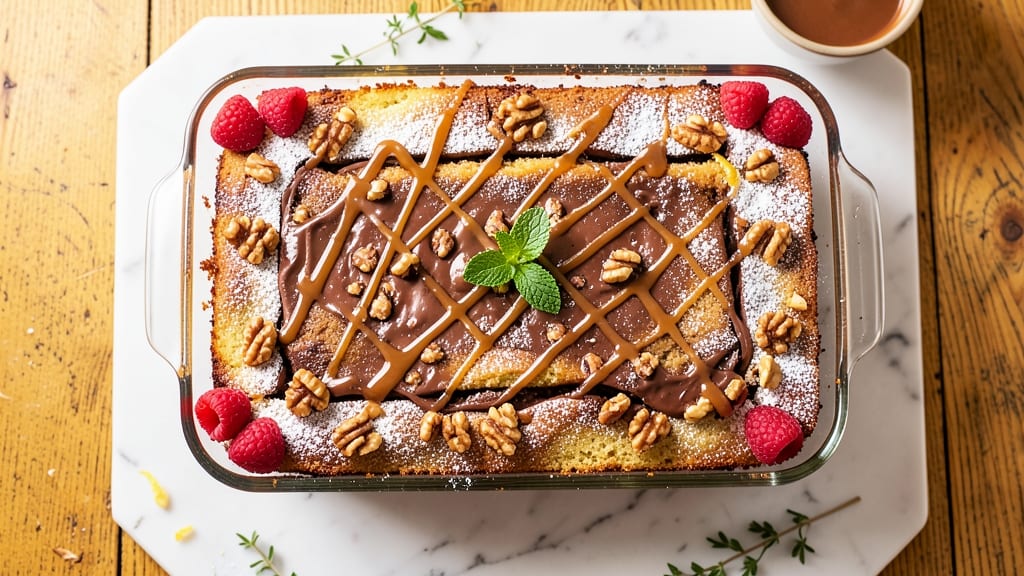
This Spanish bar cake recipe from Ann Page delivers the perfect balance of textures—crispy almond topping, moist layers, and gooey caramel rivers that make every bite irresistible.
The secret lies in the layered approach: tender cake soaked in sweet syrup, a buttery nut filling, and that signature crunchy crust that keeps you reaching for seconds. I've perfected this version over years of baking, ensuring the caramel stays fluid and the cake remains perfectly moist.
The beauty of this recipe is in its simplicity—just a few key ingredients transform into something restaurant-worthy. You'll bake a simple sponge cake, prepare a rich almond filling, and make a caramel sauce that becomes the star of the show.
The assembly process is where the magic happens, with each layer carefully arranged to create those signature caramel rivers that make this cake legendary.
What you'll end up with is a showstopping dessert that's perfect for celebrations or satisfying cravings. The contrast between the crispy top, tender cake, and gooey caramel creates an experience that's both nostalgic and luxurious.
This recipe delivers on tradition while making it approachable for home bakers—no fancy equipment required, just patience and attention to detail.
Serve it chilled with a dusting of powdered sugar or fresh fruit for an elegant finish. The cake keeps beautifully for days, making it ideal for gatherings or when you want to treat yourself. Let's get started on creating this timeless classic that's sure to impress everyone at the table.
Ingredients for ann page spanish bar cake
Just 13 ingredients transform into a showstopping Spanish bar cake with layers of magic.
| Ingredient | Amount | Notes |
|---|---|---|
| All-Purpose Flour 🌾 | 2 ½ cups | Sifted for light texture |
| Granulated Sugar 🍚 | 2 cups | Divided for cake and syrup |
| Unsalted Butter 🧈 | 1 ½ cups | Room temperature, cubed |
| Large Eggs 🥚 | 6 whole | Room temperature, separated |
| Vanilla Extract 🌿 | 2 tsp | Pure, high-quality extract |
| Baking Powder 🍞 | 2 tsp | Diamond Crystal preferred |
| Salt 🧂 | ½ tsp | Fine sea salt |
| Light Brown Sugar 🍚 | 1 ½ cups | Packed, for filling |
| Ground Almonds 🥜 | 2 cups | Finely ground, toasted |
| Sliced Almonds 🥜 | 2 cups | For topping, toasted |
| Heavy Cream 🥛 | 1 ½ cups | Cold, for caramel |
| Granulated Sugar 🍚 | 1 ½ cups | For caramel sauce |
| Powdered Sugar 🍚 | ½ cup | For dusting |
The almonds are everything here. Toast them yourself—spread on a sheet pan at 350°F for 8-10 minutes until golden and fragrant. Trader Joe's has pre-ground almonds that work in a pinch, but fresh toasted makes all the difference. For the sliced almonds, grab the thinly sliced kind at Whole Foods—they crisp up perfectly. The butter? Plugrá or Land O'Lakes unsalted are my go-tos, but any good-quality brand works. Room temperature is key—press a cube between your fingers to test.
No vanilla extract? Vanilla bean paste at half the amount works beautifully. Running short on sliced almonds? Chopped marcona almonds or even pecans add a different but delicious crunch. For the caramel, don't skip the heavy cream—full-fat is non-negotiable for that perfect texture. The cake batter should be thick but pourable. If it's too stiff, add 1 tbsp milk. And trust me, don't overmix—just combine until just combined to keep those layers tender.
This cake is a make-ahead dream. Assemble it the night before—the flavors meld beautifully overnight. Store covered at room temperature for 2-3 days or in the fridge for up to 5 days. For longer storage, freeze the fully assembled cake (without powdered sugar) for up to 2 months. Bring to room temp before serving. The caramel rivers? Best served slightly warm—microwave for 10-15 seconds if it's set too firm. Dust with powdered sugar right before serving—it melts into the caramel for that perfect finish.
Why You'll Love This Recipe
- No Mixer Needed: This cake comes together with just a whisk and your hands—no stand mixer, no fuss. The butter and sugar get creamed by hand in minutes, and the eggs fold right in. Honestly, it’s the kind of recipe that makes baking feel effortless, even when you’re not in the mood.
- Vanilla Butter Bliss: That rich, buttery crumb with a whisper of vanilla? It’s the kind of flavor that makes you want to cut yourself a second slice. The sugar caramelizes just enough to give it a subtle depth, and the eggs keep it moist without being heavy.
- Party or Picnic: Slice it for a crowd or pack it for a lunchbox—this cake holds up beautifully. It’s sturdy enough to transport, yet light enough to eat at room temperature. Between us, it’s my go-to for birthdays, potlucks, or just because.
- Budget-Friendly Staples: You’re using pantry basics here—flour, sugar, butter, eggs—and it still tastes like a treat. No specialty ingredients, no markup. I’ll be real: this is the kind of cake that proves you don’t need fancy to make something delicious.
Step-by-step instructions for Ann Page's Spanish bar cake
This cake delivers that perfect crunchy top and gooey caramel rivers—here's how to nail it every time.
Bake the Cake Layers with Perfect Texture
Preheat your oven to 350°F and grease two 9x13-inch baking pans. Sift together the 2.5 cups all-purpose flour, 2 tsp baking powder, and 0.5 tsp salt in a bowl. Set aside. In a separate large bowl, cream the 1.5 cups unsalted butter and 2 cups granulated sugar on medium speed until light and fluffy—this should take about 5 minutes. The mixture will nearly double in volume and look pale.
Add the 6 whole large eggs one at a time, mixing well after each addition. Scrape down the sides of the bowl as needed. Stir in the 2 tsp vanilla extract until fully combined. Gradually add the dry ingredients to the wet, mixing just until combined—don't overmix. Divide the batter evenly between the prepared pans and bake for 25-30 minutes until a toothpick inserted in the center comes out clean. The edges should be golden brown, but the top should still look slightly underbaked—this is key for the final texture.
Prepare the Almond Filling and Topping
While the cake layers bake, toast the 2 cups sliced almonds in a dry skillet over medium heat for 3-4 minutes, stirring constantly, until golden brown and fragrant. Set aside to cool. In a small bowl, mix the 2 cups ground almonds with 1.5 cups light brown sugar and 1 tsp vanilla extract—this will be your crunchy filling.
For the caramel rivers, combine 1.5 cups heavy cream and 1.5 cups granulated sugar in a saucepan over medium heat. Bring to a boil without stirring, then reduce heat to medium-low and simmer for 8-10 minutes until the mixture thickens to a soft-ball consistency (235-240°F on a candy thermometer). Let it cool slightly but keep it warm for assembly.
Assemble the Cake with Crunchy Layers
Once the cake layers are cooled completely, spread 1 cup of the almond mixture evenly over the first layer, pressing down gently with a spatula. Top with the second layer and spread the remaining almond mixture over the top. This creates that signature crunchy texture throughout.
Pour the warm caramel sauce evenly over the entire cake, letting it drip down the sides. Immediately sprinkle the toasted 2 cups sliced almonds over the top, pressing them gently into the caramel so they stick. The caramel should be thick enough to hold the almonds but still pourable—if it's too thick, warm it gently over low heat for 1-2 minutes and stir until smooth.
Chill and Slice for Perfect Caramel Rivers
Let the cake cool at room temperature for 30 minutes to allow the caramel to set slightly. Then, refrigerate for at least 2 hours (or overnight) before slicing. This chilling time is crucial—it lets the caramel firm up just enough to hold its shape when cut, creating those beautiful rivers when you slice into it.
When ready to serve, dust the top with the 0.5 cup powdered sugar using a fine-mesh sieve for a delicate finish. Cut into squares and serve at room temperature. The cake should have a crispy top from the almonds, a tender cake layer, and rivers of gooey caramel oozing out with every bite. Store leftovers in the refrigerator for up to 5 days, bringing to room temperature before serving for the best texture.
Pro Tips For Making Ann Page Spanish Bar Cake
- Weigh Your Butter: I learned this the hard way—packed butter takes up less space than you think. Use a kitchen scale for the butter (and eggs, if you’re picky) to guarantee the right ratio. The cake’s structure depends on this, and eyeballing it leads to dry or dense bars every time.
- Mix Dry Ingredients First: Skip the urge to toss everything in the bowl at once. Whisk the flour, sugar, and baking powder together before adding wet ingredients—this prevents lumps and ensures even distribution. Trust me, you’ll notice the difference in texture.
- Bake Until Springy: The cake should pull away from the edges of the pan but still feel slightly soft in the center when done. Overbaking turns it dry; underbaking leaves it gummy. Check with a toothpick—it should come out with a few moist crumbs, not wet batter.
- Chill Before Slicing: Let the bars cool completely in the pan for at least 15 minutes, then refrigerate for 2 hours (yes, even if you’re impatient). This keeps the layers from separating when you cut them. Your first slice will thank you—no crumbly disappointment.
Make-ahead tips for ann page spanish bar cake
Night-Before Assembly
This cake is truly a make-ahead masterpiece—I always assemble it the night before serving. After baking the layers and preparing the caramel, let the cake cool completely before arranging the almond filling between the layers and pouring the warm caramel.
The flavors meld beautifully overnight, with the caramel softening just enough to create those signature rivers when sliced. Cover tightly with plastic wrap and store at room temperature for 24 hours—this is when the magic happens! 🌟
Refrigerator Storage
For shorter-term storage, refrigerate the fully assembled cake (without powdered sugar) in an airtight container for up to 5 days. The cold helps preserve the caramel's texture, though it will firm up slightly.
Let it sit at room temperature for 30-60 minutes before serving to bring back that perfect gooey consistency. I like to wrap it in parchment paper before storing to prevent sticking.
Freezer-Friendly
For longer storage, freeze the assembled cake (again, without powdered sugar) for up to 2 months. Wrap it tightly in plastic wrap, then place it in a ziplock freezer bag to prevent freezer burn.
Thaw overnight in the refrigerator before bringing to room temperature. The texture remains excellent, though the caramel may need a quick 10-second microwave warm-up to restore its fluidity.
Caramel Revival
If your caramel sets too firmly after refrigeration, don't worry! Simply warm it gently in the microwave for 10-15 seconds in 10-second intervals, stirring between each. Alternatively, place the cake on a wire rack over a baking sheet and warm in a 300°F oven for 5-7 minutes.
This method keeps the cake from becoming soggy while melting the caramel just enough for those perfect rivers. ✨
Portioning for Parties
For gatherings, I recommend cutting the cake into 1.5-inch squares using a sharp knife dipped in hot water between slices. This prevents crumbling and ensures clean edges. Store individual portions in parchment-lined containers with a sprinkle of powdered sugar on top to preserve freshness.
The cake keeps beautifully this way for 3 days in the fridge.
Make-Ahead Mistakes
Avoid these common pitfalls: Don't skip the chilling time—rushing to slice too soon will give you a messy cake. Also, don't overmix the batter when combining dry ingredients, or your layers will turn tough.
And finally, don't use cold caramel when assembling—it won't create those signature rivers. Keep it warm and pourable for the best results! 💡
Nutrition facts
Frequently asked questions
Why does the Spanish bar cake need to chill before slicing?
The chilling time is crucial for creating those signature caramel rivers. When refrigerated for 2 hours (or overnight), the caramel firms up just enough to hold its shape when cut, creating beautiful rivers that ooze with every bite. Skipping this step will give you a messy, runny cake instead of the perfect texture you want!
Can I substitute ground almonds with another nut?
While almonds are traditional, you can use finely chopped pecans or walnuts for a different flavor profile. Just toast them first to enhance their aroma. For the sliced topping, almonds work best for that signature crunch, but hazelnuts or pistachios can be used if you're avoiding almonds. Keep the quantity the same for best results.
How do I fix if my caramel becomes too thick?
If your caramel thickens too much while making it, simply warm it gently over low heat for 1-2 minutes while stirring constantly. It should return to a pourable consistency. For assembly, the caramel needs to be warm but not boiling—around 235-240°F is ideal. If it's still too thick after warming, add 1 tsp heavy cream at a time until smooth.
What's the best way to store leftovers?
Store leftovers in an airtight container in the refrigerator for up to 5 days. To serve, let it sit at room temperature for 30-60 minutes to restore the caramel's gooey texture. For longer storage, freeze the cake (without powdered sugar) for up to 2 months. Thaw overnight in the fridge before bringing to room temperature. Always wrap tightly in plastic wrap to prevent drying.
Can I make this cake without alcohol?
Traditionally, Spanish bar cakes include a touch of alcohol (like rum or brandy) in the caramel, but it's optional. For a non-alcoholic version, simply omit it—the caramel will still be delicious. If you want extra flavor, add 1 tsp vanilla extract or 1 tsp almond extract to the caramel mixture instead. The texture won't be affected!