
Desserts
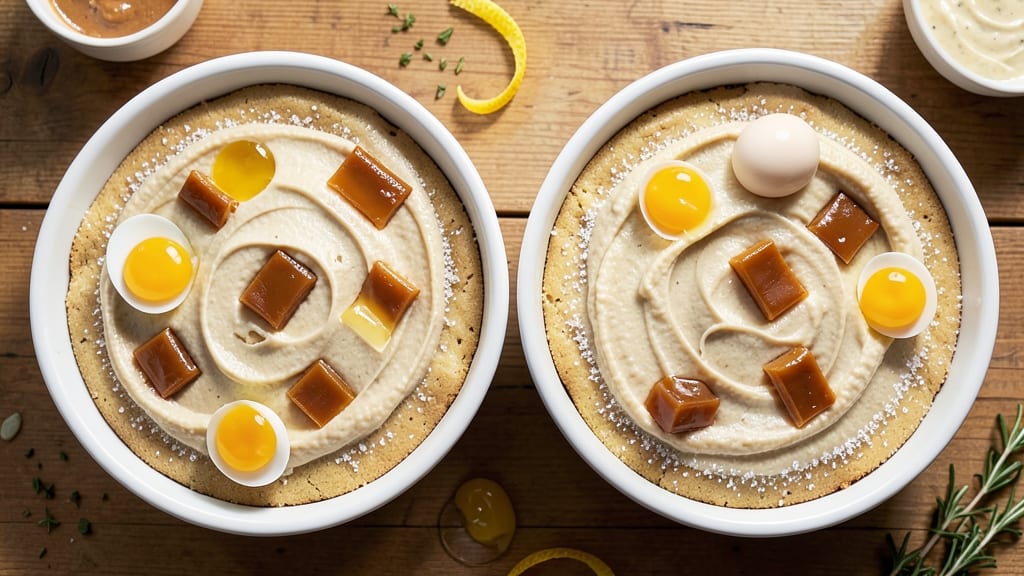
This Amish cake starter recipe transforms simple pantry staples into layers of warm spice swirls and buttery frosting that taste like a homecoming. The beauty of this method lies in its adaptability—whether you're baking a classic layered cake or experimenting with variations, the foundation delivers consistent, foolproof results every time.
The traditional Amish approach focuses on simplicity and quality ingredients, where a carefully measured dry mix combines with wet components to create a tender crumb.
What sets this recipe apart is the balance of spices—cinnamon, nutmeg, and clove—that infuse each layer with aromatic warmth, while the frosting adds a rich, velvety finish that ties everything together.
By the time you pull this cake from the oven, you'll have a golden, moist masterpiece with layers that hold their shape and a frosting so smooth it practically melts on your tongue. The best part? This recipe scales effortlessly—perfect for family gatherings, church potlucks, or a quiet afternoon treat.
Ready to bake? Let's build this cake from scratch, layer by layer, and discover why this timeless technique remains a favorite in kitchens across generations.
Ingredients for amish cake starter
Simple pantry staples meet warm spices for layers of golden perfection—this is where Amish baking magic begins.
| Ingredient | Amount | Notes |
|---|---|---|
| All-Purpose Flour 🌾 | 4 cups | Sifted for even texture |
| Granulated Sugar 🍚 | 2 ½ cups | White or light brown |
| Unsalted Butter 🧈 | 1 ½ cups | Cold, cubed for mixing |
| Large Eggs 🥚 | 4 whole | Room temperature |
| Milk 🥛 | 1 ½ cups | Whole milk preferred |
| Vanilla Extract 🌿 | 2 tsp | Pure, high-quality |
| Ground Cinnamon 🌶️ | 2 tsp | Freshly ground preferred |
| Ground Nutmeg 🌿 | ½ tsp | Freshly grated nutmeg |
| Ground Cloves 🌶️ | ½ tsp | Lightly toasted |
| Baking Powder 🧂 | 1 ½ tsp | Double-acting preferred |
| Salt 🧂 | ½ tsp | Diamond Crystal preferred |
| Powdered Sugar 🍚 | 3 cups | For frosting |
| Heavy Whipping Cream 🥛 | 1 cup | Cold for whipping |
| Lemon Juice 🍋 | 1 tbsp | Freshly squeezed |
The flour and spices are the heart of this recipe, so source them carefully. For flour, King Arthur or Gold Medal brands yield the most reliable texture. The spices—especially nutmeg and cloves—should be freshly ground or toasted to release their full aromatic potential. Penzeys Spices or bulk bins at natural markets are ideal for quality. Store-bought ground spices often lose potency within months, so consider grinding whole spices yourself for maximum flavor impact. The butter should be cold and cubed when measuring to prevent melting during mixing, which can affect the cake's structure.
No vanilla extract? Vanilla bean paste or seeds work beautifully as a substitute. For nutmeg, if you only have pre-ground, toast the whole nutmeg briefly in a dry pan before grinding for a fresher taste. The baking powder must be double-acting to ensure proper rise—Aluminum-free brands like Rumford are ideal. If you're scaling this for a larger crowd, increase the powdered sugar by one-third more than the flour increase to maintain frosting consistency. The heavy whipping cream should be cold and chilled in the fridge for at least 30 minutes before whipping to achieve peak volume.
Store the dry ingredients—flour, sugar, baking powder, and spices—in airtight containers away from heat and light to preserve freshness. The butter should be kept in its original packaging or wrapped tightly in parchment paper to prevent absorption of fridge odors. The frosting, once made, keeps for up to 4 days in the refrigerator, though it's best used within 2 days for optimal texture. For longer storage, freeze the cake layers (unfrosted) for up to 3 months10-15 seconds to restore its smooth consistency.
Why You'll Love This Recipe
- Pantry Staples Only: I swear by this recipe because it uses exactly what’s already in my cupboards—flour, sugar, butter, eggs, and milk. No specialty ingredients, no last-minute grocery runs. Honestly, I’ve made it three times in a row when I forgot to meal prep, and it never lets me down.
- Butter-Sugar Magic: That rich, tender crumb? All thanks to the butter and sugar creamed together until it’s light as air. The eggs bind it just right, and the milk keeps it moist without being heavy. Between us, it’s the kind of cake that makes you close your eyes and sigh—no frosting needed.
- Bake Once, Enjoy Twice: This recipe doubles easily, and the leftovers? Chef’s kiss. I’ve wrapped slices in foil and tossed them in my lunchbox for days, or reheated them in the oven for breakfast. My kids even ask for it cold—proof it’s that good.
- Weeknight Workhorse: No fancy layers, no tricky techniques—just mix, pour, bake. I’ve used it for potlucks, school fundraisers, and even a last-minute dessert when company dropped by. It’s unfussy, reliable, and somehow always the star of the table. (Yes, even on a Tuesday night.)
Step-by-step instructions for Amish cake starter recipe
Master this traditional method for a cake with rich spice layers and velvety frosting.
Prepare the Cake Batter Foundation
Preheat your oven to 350°F and grease two 9-inch round cake pans, lining the bottoms with parchment paper. In a large mixing bowl, combine the 4 cups all-purpose flour, 2.5 cups granulated sugar, 1.5 tsp baking powder, 0.5 tsp salt, 2 tsp ground cinnamon, 0.5 tsp ground nutmeg, and 0.5 tsp ground cloves. Whisk until thoroughly blended—this ensures even distribution of spices throughout the batter.
In a separate bowl, cream together the 1.5 cups unsalted butter and 4 whole large eggs using an electric mixer on medium speed until light and fluffy, about 3-4 minutes. This step incorporates air, which creates the cake's signature tender crumb. Gradually add the 1.5 cups milk and 2 tsp vanilla extract, mixing until fully combined.
Combine Wet and Dry Ingredients
With the mixer on low speed, gradually add the dry ingredient mixture to the wet ingredients, mixing just until combined. Avoid overmixing—this can develop gluten and result in a dense cake. The batter should be smooth and slightly thick, resembling pancake batter in consistency.
Divide the batter evenly between the prepared cake pans. For the signature Amish swirl, pour half of the batter into one pan, then use a rubber spatula to create a well in the center. Spoon 1 tablespoon lemon juice into the well, then pour the remaining batter over it. Gently swirl the batter with the spatula to create a marbled effect. Bake for 25-30 minutes, or until a toothpick inserted into the center comes out clean.
Prepare the Frosting
While the cakes are baking, prepare the frosting by beating the 1 cup heavy whipping cream in a chilled bowl until soft peaks form. Gradually add the 3 cups powdered sugar, mixing on low speed until fully incorporated. The frosting should be thick but spreadable—if it's too stiff, add a splash of milk to loosen it.
Transfer the frosting to a piping bag fitted with a star tip for a professional finish. Let the cakes cool in their pans for 10 minutes, then invert them onto a wire rack to cool completely. This prevents the cakes from becoming soggy when frosting.
Assemble and Frost the Cake
Place one cake layer on a cake stand or plate. Spread a thin layer of frosting over the top to create a "crumb coat," which prevents crumbs from mixing into the final frosting layer. Place the second cake layer on top and repeat the process on the sides of the cake. Chill the cake in the refrigerator for 15 minutes to set the crumb coat.
Pipe the remaining frosting over the cake, starting from the center and working your way outward. Use a spatula to smooth the sides and create clean edges. For extra flair, pipe decorative swirls or rosettes around the base. Serve at room temperature for the best texture and flavor balance.
Pro Tips For Making Amish Cake Starter
- MEASURE BUTTER COLD: Take that butter straight from the fridge and cut it into small cubes—no softening, no melting. I learned this the hard way after one batch turned into a greasy mess because I rushed and let the butter get too warm. The cubes should hold their shape when pressed, and that’s how you get that tender, flaky texture in the cake layers.
- WHISK EGGS ROOM TEMP: Let those eggs sit out for 30 minutes before cracking them into the bowl. Cold eggs mix unevenly and can make the batter lumpy, and nobody wants a cake that looks like it’s fighting itself. Just pop them in a warm (not hot) water bath while you measure the other ingredients—easy and foolproof.
- SIFT FLOUR TWICE: Don’t just dump the flour into the bowl—sift it once before mixing, then sift it again after adding the dry ingredients. This keeps the cake light and prevents dense pockets. Yes, it’s an extra step, but it’s the thing that matters most when you want that classic Amish cake rise.
- BAKE UNTIL SPRINGY: Stop checking the cake at 350°F—wait until the edges pull away from the pan and the center springs back when you press it lightly. I used to pull them out too soon, and they’d either stay gummy or collapse later. A toothpick test is fine, but trust the bounce more—it’s the real test.
Make-ahead tips for amish cake starter
Dry Mix Prep
Prepare the dry ingredients—flour, sugar, spices, baking powder, and salt—2-3 days ahead if possible. Store them in a large airtight container (I use Glasslock containers) to keep them fresh. This gives the spices time to meld and enhances their aromatic potential.
When you're ready to bake, simply add the wet ingredients and mix. This step saves time and ensures consistent results every time you bake. 💫
Batter Storage
If you're short on time, mix the batter up to 24 hours ahead and store it in the refrigerator in an airtight container. The next day, simply bake as directed—no need to worry about the batter separating or losing moisture.
For best results, let the batter sit at room temperature for 30 minutes before pouring into the pans to ensure even baking. This is a game-changer for busy mornings or last-minute gatherings.
Layered Cake Assembly
Assemble the cake layers 1-2 hours before serving to allow the frosting to set properly. If you're making the cake ahead of time, frost it and store it in the refrigerator for up to 4 hours.
Bring it to room temperature before serving so the frosting softens slightly and becomes more spreadable. This also lets the flavors meld together for a more cohesive taste. 🍰
Frosting Make-Ahead
Prepare the frosting up to 3 days in advance and store it in an airtight container in the refrigerator. When ready to use, whip it briefly with a hand mixer to restore its fluffiness. If the frosting has separated, simply re-whip it until smooth. This is perfect for when you want to bake the cake fresh but need the frosting ready to go ahead of time. Just
Fully Assembled Cake
For maximum convenience, you can fully assemble and frost the cake 1 day ahead and store it in the refrigerator. When you're ready to serve, let it sit at room temperature for 1-2 hours to allow the frosting to soften slightly. This method ensures that the cake is always ready to impress your guests without last-minute stress. Just be sure to cover it with plastic wrap to prevent drying out. 💡
Freezing Tips
Freeze the unfrosted cake layers individually, wrapped tightly in plastic wrap and placed in a freezer bag for up to 3 months. Thaw them in the refrigerator overnight before frosting. For the frosting, freeze it in a small airtight container for up to 2 months.
Thaw it in the refrigerator and re-whip before using. This is ideal for special occasions when you want everything ready to go with minimal effort on the day itself.
Nutrition facts
Frequently asked questions
Can I make this Amish cake starter without eggs?
Yes! For a vegan version, substitute the 4 eggs with 1 cup unsweetened applesauce or 1 flax egg (1 tbsp ground flaxseed + 3 tbsp water). The texture will be slightly denser but still moist. For best results, add 1 extra tsp baking powder to compensate for the lack of eggs' leavening properties.
Why does my Amish cake have a dense texture?
Overmixing the batter develops gluten, making the cake dense. Mix just until combined—stop when small streaks of flour remain. Also ensure your butter is cold and your baking powder is fresh. If using a boxed mix, check the expiration date as old baking powder loses potency.
How do I make this recipe gluten-free?
Replace the 4 cups all-purpose flour with a 1:1 gluten-free baking flour blend (like Bob's Red Mill). Add 1 tsp xanthan gum to improve texture. For the frosting, use a gluten-free powdered sugar. The cake may be slightly crumbly, so brush layers with simple syrup (equal parts sugar + water, heated) before frosting.
Can I use this starter for cupcakes instead of a layered cake?
Divide the batter into 24 cupcake liners (fill ⅔ full). Bake at 350°F for 18-20 minutes or until a toothpick comes out clean. For extra flavor, add ½ tsp cinnamon to the batter before baking. Top with the same frosting recipe or try a spiced cream cheese glaze.
What's the best way to store leftover frosting?
Transfer frosting to an airtight container and refrigerate for up to 4 days. Before using, whip briefly with a hand mixer to restore fluffiness. For longer storage, freeze in a single layer (not stacked) for up to 2 months. Thaw in the fridge overnight—never at room temperature to prevent spoilage.