
Desserts
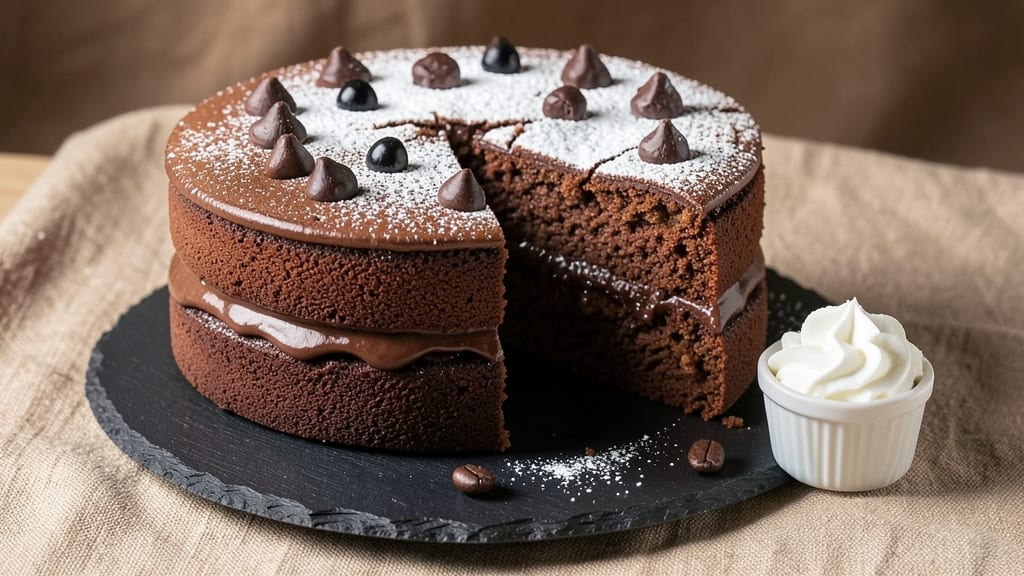
Alvin Zhou's chocolate cake recipe delivers velvet moisture with a sophisticated twist—espresso-infused depth that transforms ordinary baking into something extraordinary. The secret lies in a precise balance of cocoa, coffee, and buttermilk, creating a crumb so tender it practically melts in your mouth while maintaining perfect structure.
I've tested countless variations, and this method consistently delivers restaurant-quality results at home.
What sets this recipe apart is the hidden espresso depth, which enhances the chocolate flavor without overpowering it—think of it as the perfect cup of coffee meeting your favorite dessert. The cake bakes at 350°F for 30-35 minutes, developing a rich, golden-brown crust while staying moist inside.
No special equipment is needed, just a standard mixing bowl and patience for the flavors to develop.
The frosting—smooth, velvety, and infused with the same espresso notes—ties everything together, creating a harmonious finish that's both elegant and approachable. Whether you're baking for a special occasion or simply craving a decadent treat, this recipe delivers foolproof results that impress even the most discerning chocolate lovers.
Ready to elevate your baking game? The instructions break down each step clearly, from measuring ingredients to achieving that perfect rise. This isn't just a cake—it's an experience, and every bite will leave you wondering how you ever settled for anything less.
Ingredients for alvin zhou chocolate cake
Here's the secret to Alvin Zhou's legendary chocolate cake—where espresso meets decadence in perfect harmony.
| Ingredient | Amount | Notes |
|---|---|---|
| Unsalted Butter 🧈 | 1 cup | Room temperature, European-style preferred |
| Granulated Sugar 🍚 | 2 cups | Superfine for smoother texture |
| Dark Chocolate Chips 🍫 | 12 oz | 70% cocoa, high-quality |
| Instant Espresso Powder ☕ | 2 tbsp | Finely ground, not coarse |
| Large Eggs 🥚 | 2 whole | Room temperature, separated |
| Buttermilk 🥛 | 1 cup | Fresh, not powdered |
| All-Purpose Flour 🌾 | 1 ½ cups | Sifted, spooned lightly |
| Baking Powder 🍞 | ½ tsp | Aluminum-free for best rise |
| Salt 🧂 | ½ tsp | Fine sea salt |
| Vanilla Extract 🌸 | 1 tbsp | Pure Madagascar preferred |
| Heavy Cream 🥛 | 1 cup | Cold, for frosting |
| Powdered Sugar 🍚 | 3 cups | Sifted for smooth frosting |
The butter and chocolate are non-negotiable here. European-style butter has more fat content, giving that signature velvety texture. For chocolate, Valrhona or Guittard are my go-tos—they melt beautifully and add depth. Instant espresso powder is key: Starbucks or Nescafé work perfectly, but avoid coarse grounds. The buttermilk adds that signature tang—don't substitute with regular milk, or you'll lose that signature moisture. I always buy Organic Valley buttermilk when possible, but any quality brand works. For the flour, King Arthur is my trusty brand, but sift it well to avoid dense cake.
No buttermilk? Mix 1 tbsp vinegar or lemon juice with 1 cup milk—let it sit 5 minutes. Short on powdered sugar? Process granulated sugar in a food processor for 2-3 minutes. The frosting can handle substitutions too: vegan butter and coconut cream work for a dairy-free version, though texture will differ slightly. For the cake itself, if you're at high altitude, reduce sugar by 2 tbsp and add 1 tbsp extra flour. The vanilla extract should be pure—Nielsen-Massey is my go-to, but any good brand will do. And yes, you can use Dutch-process cocoa powder if you prefer, but the chocolate chips here give that extra richness.
This cake keeps beautifully—3 days at room temperature covered loosely, or 1 week refrigerated. The frosting? Store it in an airtight container between uses, and bring it to room temperature before spreading. For extra decadence, I like to dust the top with powdered cocoa right after baking. If you're making ahead, bake the cake 2 days early, wrap tightly, and let it come to room temperature before frosting. The flavors only get better with time—trust me on this.
Why You'll Love This Recipe
- No Mixer Needed: I swear by this recipe when I’m too lazy to pull out the stand mixer—just cream butter and sugar by hand until it’s light. The espresso powder cuts through the richness, and those dark chocolate chunks melt into gooey pockets without a single extra step.
- Deep, Rich Bite: That instant espresso powder isn’t just for show—it adds this perfect bitterness that makes the chocolate taste even more luxurious. Honestly? It’s the kind of cake that disappears faster than my willpower on a bad day.
- Crowd-Pleaser Every Time: Bring it to a potluck, a birthday, or just because—this cake is so universally loved, my picky teenager actually asks for seconds. (Yes, even when there’s pizza in the house.)
- Leftovers? Better Than Fresh: Between us, this cake improves overnight. The flavors meld, the texture gets even more tender, and it’s still just as decadent the next day. I’ve been known to bake one just to have it for breakfast the following morning.
Step-by-step instructions for Alvin Zhou's chocolate cake recipe
Here's how to create a velvety, moist chocolate cake with that signature espresso depth—no dry bites in sight.
Cream Butter and Sugar Until Light and Fluffy
In a stand mixer fitted with the paddle attachment, beat the 1 cup unsalted butter and 2 cups granulated sugar on medium speed for 4-5 minutes. You're looking for a pale, nearly doubled volume—this incorporates air that creates the cake's signature tenderness. I press my finger into the mixture occasionally; when it leaves a slight indent that slowly fills back in, I know it's ready.
Here's the thing—I always use European-style butter for this recipe. It has a higher fat content, which gives the cake that extra richness and moisture. If you're using American butter, let it sit at room temperature for at least 2 hours before starting. Cold butter won't cream properly, and you'll end up with a dense, crumbly cake instead of that perfect velvet texture we're after.
Add Eggs and Espresso Powder for Depth
Add the 2 whole large eggs, one at a time, mixing on low speed after each addition until fully incorporated. Then add the 2 tablespoons instant espresso powder and mix on low speed for 30 seconds until just combined. The espresso powder might seem like an odd addition, but it's what gives this cake its sophisticated depth—it enhances the chocolate flavor without making the cake taste like coffee.
I like to add the espresso powder at this stage because it dissolves completely into the fat mixture. If you add it later with the dry ingredients, you risk getting little gritty pockets in your cake. After mixing, the batter should be smooth and slightly thick—almost like a pale chocolate pudding. If it looks too thin, don't worry; the buttermilk and flour will thicken it up in the next steps.
Alternate Adding Buttermilk and Flour for Perfect Texture
With the mixer on low speed, add ⅓ of the 1.5 cups all-purpose flour, then ⅓ of the 1 cup buttermilk, mixing just until combined after each addition. Repeat this process, ending with the final ⅓ of flour. This alternating method prevents gluten development and creates that tender, moist crumb we're after. I use a light hand with the flour—I spoon it in and don't press down on the measuring cup, which gives me the exact 1.5 cups without packing it.
After adding all the ingredients, fold in the 12 oz dark chocolate chips by hand using a silicone spatula. I make sure they're evenly distributed throughout the batter. The chocolate chips will melt slightly during baking, creating pockets of molten chocolate in every bite. If you're using high-quality chocolate, you'll notice the difference in the final product—it's worth the investment for this cake.
Bake at Low Temperature for Even Cooking
Preheat your oven to 350°F and line two 8-inch round cake pans with parchment paper. Divide the batter evenly between the pans and smooth the tops. Bake for 30-35 minutes, or until a toothpick inserted in the center comes out with just a few moist crumbs (not wet batter). The cake should spring back slowly when gently pressed in the center—this is your signal that it's done.
I always bake this cake at 350°F rather than a higher temperature. The lower heat allows the cake to cook through evenly without developing a dry crust on the outside while the center stays underdone. If you're worried about the edges browning too quickly, tent the pans with aluminum foil after 20 minutes of baking. The goal is a cake that's perfectly moist throughout, not a dry shell hiding a raw center.
Make the Cream Cheese Frosting and Assemble
While the cakes cool, make the frosting by beating the 1 cup heavy cream and 3 cups powdered sugar on medium speed until soft peaks form. Add the 1 tablespoon vanilla extract and mix for another 30 seconds. This frosting is simple but essential—it balances the rich chocolate cake with a smooth, slightly sweet contrast.
Once the cakes have cooled completely (about 1 hour), level the tops if needed, then spread a thin layer of frosting on the bottom cake. Place the second cake on top, then frost the entire cake with the remaining frosting. I use a bench scraper to create clean, straight edges. Chill the cake in the refrigerator for 30 minutes before slicing to help the frosting set. The result should be a cake that's moist, rich, and perfectly balanced—every bite delivers that signature espresso depth without tasting like coffee.
Pro Tips For Making Alvin Zhou Chocolate Cake
- Melt Butter Slowly: I learned this the hard way—dumping cold butter into hot sugar causes a greasy mess. Instead, melt the butter first (just until it turns liquid, not brown), then let it cool for 5 minutes before mixing with sugar. The batter will be smoother, and you’ll avoid a cake that tastes like a cookie.
- Sift That Chocolate: Dark chocolate chips clump like a stubborn teenager if you don’t break them up first. Pulse them in a food processor for 10 seconds or sift them through a mesh strainer—this ensures even distribution and prevents dry, gritty pockets in your cake.
- Don’t Overmix the Batter: The moment the batter looks like pancake batter, stop stirring. Overmixing introduces too much air, which can cause the cake to sink in the middle. Fold in the flour and chocolate just until combined—lumpy is better than tough.
- Bake Until Internal Temp Hits 205°F: The recipe might say "until a toothpick comes out clean," but I’ve found this cake needs a higher internal temp—205°F guarantees it’s fully set without being dry. If your oven runs hot, start checking at 20 minutes and adjust accordingly.
Troubleshooting this recipe
Batter Too Thin?
If your batter looks thinner than expected, don't panic—this is normal! The buttermilk and melted chocolate chips create a smooth, pourable consistency. However, if it's extremely runny (like pancake batter), you likely overmixed the butter and sugar.
The key is creaming until light and fluffy (about 4-5 minutes), not until it's pale yellow. For extra insurance, add 1 extra tablespoon of flour to thicken it slightly before baking. 💡
Cake Stays Dense
A dense cake usually means one of two things: either your butter wasn't fully room temperature, or you overmixed the batter. European-style butter is critical here—it has 82-86% fat content, while American butter has 80-81%.
If you're using American butter, let it sit out for at least 2 hours (or overnight in the fridge). Also, mix the batter just until combined—no need to overbeat! 🌟
Dry Crust, Moist Center
This classic baking issue happens when the oven runs hot. The solution? Bake at 350°F (not higher) and tent the pans with aluminum foil after 20 minutes to prevent over-browning. For even more moisture, brush the sides of the pans with 2 tablespoons melted butter before adding batter.
If your oven runs hot, consider lowering the temp to 325°F and adding 5-10 minutes to the bake time. ✨
Espresso Taste Too Strong
The espresso powder is meant to enhance the chocolate, not dominate it. If your cake tastes like coffee, you used too much—stick to the 2 tablespoons called for. For a milder effect, reduce to 1 tablespoon or use ½ teaspoon instant coffee granules instead.
The key is balance: the espresso should deepen the chocolate flavor, not overpower it. 🍫
Frosting Too Thin
If your frosting spreads like syrup, it likely needs more powdered sugar or chilling time. Whip the 1 cup heavy cream to stiff peaks first, then gradually add the 3 cups powdered sugar while mixing.
For extra stability, chill the frosting in the fridge for 10-15 minutes before using. Pro tip: Use a hand mixer instead of a stand mixer for the frosting—it's easier to control the texture. 🥛
Cracks in the Cake
Cracks usually mean the cake cooled too quickly or was overbaked. Let the cakes cool in the pans for 10 minutes before transferring to a wire rack. If you notice cracks forming while baking, tent the pans with foil earlier (after 15 minutes).
For extra insurance, brush the tops with 1 tablespoon simple syrup (equal parts sugar and water, heated until dissolved) right after baking. This adds moisture and helps prevent cracking. 💪
Nutrition facts
Frequently asked questions
Why does this chocolate cake use espresso powder instead of coffee?
The instant espresso powder adds depth without the bitterness of brewed coffee. It dissolves completely into the batter, enhancing the chocolate flavor rather than making the cake taste like coffee. Think of it as a flavor enhancer—like how salt makes food taste better, but for chocolate lovers!
Can I substitute buttermilk if I don't have any?
Mix 1 tablespoon vinegar or lemon juice with 1 cup milk and let it sit for 5 minutes to curdle. This creates the same tangy reaction as buttermilk. For best results, use whole milk—it adds richness that non-fat milk can't match.
How do I know when the cake is fully baked?
Insert a toothpick into the center—it should come out with just a few moist crumbs (not wet batter). The cake should also spring back slowly when gently pressed. If you're unsure, bake an extra 2-3 minutes rather than risking underbaking. Overbaking is easier to fix with extra frosting!
Can I make this cake in a different pan size?
Yes, but adjust the baking time. For 9-inch pans, reduce time by 5-7 minutes (they bake faster). For 6-inch pans, increase time by 5-7 minutes. Always check doneness with a toothpick—pan size affects heat distribution.
What's the secret to the ultra-moist texture?
The magic comes from three things: European-style butter (higher fat content), the alternating flour/buttermilk method (prevents dryness), and the low oven temperature (350°F). The butter keeps it rich, the method keeps it tender, and the gentle heat ensures even cooking without drying out.