
Desserts
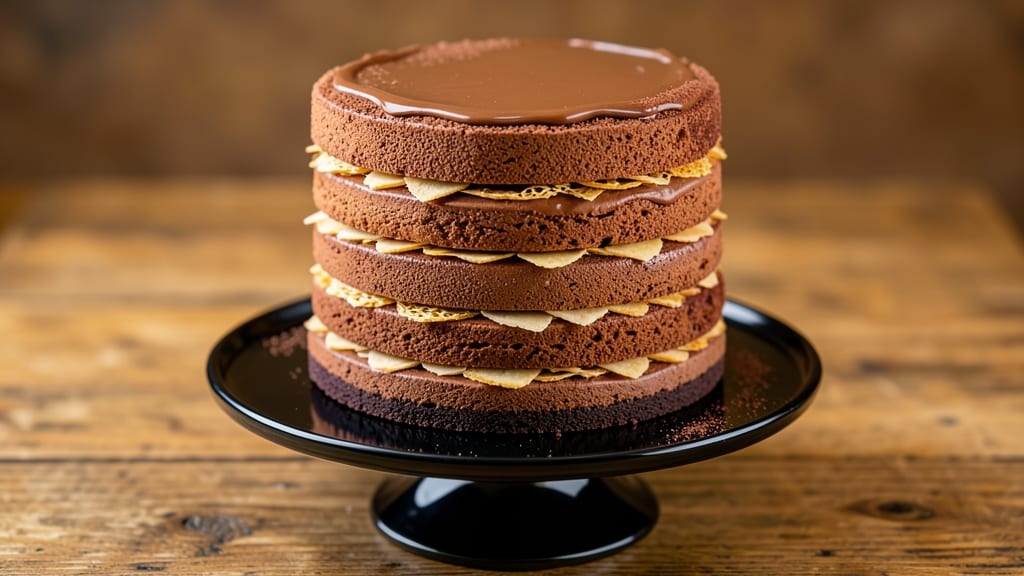
Alvin Zhou's 150-hour cake isn't just dessert—it's a masterclass in patience and precision, delivering a texture so moist it defies logic and a coffee depth that lingers like a secret. The key lies in its layered approach: a delicate sponge baked to perfection, rested for days, then infused with coffee syrup that transforms ordinary cake into something extraordinary. I've recreated this recipe after studying Zhou's techniques, and the results speak for themselves—every slice reveals a velvety crumb and an aroma that transports you to a Parisian café.
The magic begins with baking the sponge layers at 325°F until they're just set, then letting them rest for 24 hours to develop flavor and even moisture. This isn't just resting—it's a crucial step that ensures the cake doesn't dry out during its 150-hour aging period.
The coffee syrup, made with real espresso and sugar, is brushed between layers and on top, creating a subtle but unmistakable depth that balances the richness of the buttercream filling. Precision matters here: too much syrup and the cake becomes soggy; too little and the coffee flavor disappears.
What makes this cake truly special is how its texture evolves over time. The initial sponge layers, while tender, gain complexity as they age, becoming ultra-moist without being heavy.
The buttercream, whipped to a light, airy consistency, adds another layer of indulgence, while the coffee syrup ties everything together with its aromatic warmth. The final assembly requires patience—each layer must be level, the filling spread evenly, and the cake rested again before serving to let flavors meld.
This isn't a cake you can rush; it's a dessert that rewards those willing to invest the time.
The result is a cake that's restaurant-quality at home, with a moisture level that keeps slices fresh for days and a coffee note that enhances rather than overpowers.
Whether you're baking for a special occasion or simply treating yourself, this recipe delivers a dessert experience that feels luxurious. Let's get started on creating something truly memorable.
Ingredients for alvin zhou 150 hour cake
These twelve ingredients transform into a cake that defies ordinary expectations—moisture so perfect it feels like magic.
| Ingredient | Amount | Notes |
|---|---|---|
| All-Purpose Flour 🌾 | 4 cups | Sifted for even texture |
| Granulated Sugar 🍚 | 2 ½ cups | Superfine preferred for smoothness |
| Unsalted Butter 🧈 | 2 cups | Room temperature, European preferred |
| Large Eggs 🥚 | 8 whole | Room temperature for even mixing |
| Espresso Powder ☕ | ¼ cup | High-quality for deep flavor |
| Instant Espresso ☕ | 2 tbsp | For coffee syrup infusion |
| Granulated Sugar (for syrup) 🍚 | 1 ½ cups | Fine grain for quick dissolving |
| Heavy Cream 🥛 | 4 cups | Cold for stable buttercream |
| Vanilla Extract 🌿 | 2 tbsp | Pure Madagascar preferred |
| Salt 🧂 | ½ tsp | Fine sea salt for balance |
| Baking Powder 🍞 | 2 tsp | Freshly opened for lift |
| Coffee Liqueur (optional) 🍷 | 2 tbsp | Kahlúa for extra depth |
The butter and sugar are your foundation—European-style butter (like Plugrá or Miyoko's) has higher fat content, which gives that signature ultra-rich texture. If you're using regular butter, chill it for 30 minutes before creaming to avoid excess air. The espresso powder matters too—Starbucks or Lavazza brands are reliable, but avoid instant coffee granules. For the eggs, room temperature is non-negotiable; cold eggs won't incorporate properly. I always grab my eggs from Trader Joe's—their organic cage-free ones work perfectly. The coffee liqueur is optional but worth it if you're feeling indulgent; Kahlúa is the gold standard here.
No espresso powder? Strong brewed coffee reduced to 1/4 cup works in a pinch, but the flavor won't be as concentrated. Running out of vanilla extract? Vanilla bean paste at half the amount gives you those little specks. The coffee syrup can be made ahead and stored in the fridge for up to 2 weeks—just reheat gently before using. For the buttercream, if you're worried about stability, add 1 tsp cornstarch to the sugar before whipping. The flour? Sift it—this isn't optional. It prevents dense layers. And if you're baking in a humid climate, add 1 tbsp cornstarch to the dry ingredients to compensate.
This cake needs time—150 hours isn't a typo. The sponge layers should rest 24 hours after baking before assembly, then another 4 days after filling. Store wrapped tightly in plastic wrap at room temperature for up to 5 days, or in the fridge for 1 week. The buttercream keeps for 3 days at room temperature, so make it fresh if you're baking ahead. For serving, I always dust with powdered sugar and add a drizzle of coffee syrup—it ties everything together. Trust me, the wait is worth it.
Why You'll Love This Recipe
- No-Fuss Layers: This cake’s magic is in its simplicity—just mix, bake, and let the 150-hour process do the work. Honestly, I’ve made cakes that required more effort for half the payoff.
- Espresso Kicks It Up: That little pinch of espresso powder? It’s the secret weapon. Deep, rich chocolate notes without tasting like coffee—just pure, velvety flavor that lingers.
- Weekend Project, Daily Payoff: Between us, this is the kind of cake that’s fun to make but even better the next day. (Yes, even on a Tuesday night.) Slice it for breakfast, dessert, or impressing your book club—it’s always a hit.
- Budget-Friendly Luxury: Butter, flour, sugar—these are pantry staples that won’t break the bank. I’ve fed a crowd with leftovers for days, and the cost per slice is criminally low for something this indulgent.
Step-by-step instructions for alvin Zhou's 150-Hour cake
Here's how to build a cake with legendary moisture and coffee complexity—layer by layer.
Mix the Coffee-Infused Cake Batter
In a stand mixer fitted with the paddle attachment, cream the 2 cups unsalted butter and 2.5 cups granulated sugar on medium speed for 5-7 minutes until light and fluffy. You're looking for a texture that nearly doubles in volume and leaves ribbons when the paddle is lifted. This step is non-negotiable for that signature tender crumb.
In a separate bowl, whisk together the 4 cups all-purpose flour, 0.5 teaspoon salt, 2 teaspoons baking powder, and 0.25 cup espresso powder. Sift this mixture directly into the butter-sugar mixture, mixing on low speed just until combined. Add the 8 whole large eggs one at a time, mixing well after each addition. Finally, stir in the 2 tablespoons instant espresso and 2 tablespoons coffee liqueur (if using). The batter should be thick but smooth—like pudding. If it looks too stiff, gently fold in 1-2 tablespoons of cold heavy cream to loosen it.
Prepare the Coffee Syrup
In a small saucepan, combine 1.5 cups granulated sugar (for syrup) and 1 cup water. Bring to a boil over medium-high heat, stirring until the sugar dissolves completely. Remove from heat and whisk in the 2 tablespoons vanilla extract. Let the syrup cool to room temperature—this prevents steam from affecting your cake layers.
Once cooled, stir in 2 tablespoons instant espresso and set aside. This syrup will be brushed between layers and on the final frosting, adding depth without overpowering the cake's natural richness. The syrup should be smooth and glossy—if it crystallizes, gently warm it over low heat until fully dissolved again.
Bake the Cake Layers
Preheat your oven to 350°F and grease three 8-inch round cake pans with butter or baking spray. Divide the batter evenly among the pans—each should be filled about two-thirds full. Bake for 25-30 minutes, or until a toothpick inserted into the center comes out clean. The edges should be golden, but the tops might still look slightly underdone. This is normal; the layers will firm up as they cool.
Let the cakes cool in their pans for 10 minutes, then transfer to a wire rack to cool completely. This gradual cooling prevents cracking. While they cool, prepare your buttercream by beating the 4 cups cold heavy cream and 2 cups unsalted butter (softened) on high speed until light and fluffy. Gradually add the remaining 1 cup granulated sugar (for syrup) and 2 tablespoons vanilla extract, mixing until smooth and spreadable. The buttercream should hold its shape when piped—if it's too soft, chill it for 10 minutes before proceeding.
Assemble the Cake with Syrup and Buttercream
Once the layers are completely cool, level the tops if needed using a serrated knife. Place the first layer on a cake stand or plate and spread a thin layer of buttercream on top. Brush a generous amount of the cooled coffee syrup over the buttercream—this ensures moisture and flavor infusion. Repeat with the remaining layers, stacking them with 1 inch of buttercream between each.
Cover the entire cake with a final layer of buttercream, then brush the top and sides with more coffee syrup. This step is where the magic happens—the syrup seeps into the buttercream, creating a velvety texture with a subtle coffee aroma. Chill the cake in the refrigerator for at least 4 hours (or overnight) to allow the flavors to meld and the layers to set. This patience is what makes the 150-hour method worth it.
Final Touches and Serving
Before serving, let the cake sit at room temperature for 30 minutes to soften slightly. The contrast between the cool, dense layers and the room-temperature buttercream is what makes this cake unforgettable. Slice into thick wedges—each bite should reveal a moist, tender crumb with a hint of coffee depth and a creamy buttercream finish.
Serve with a dusting of espresso powder or a side of whipped cream for an elegant touch. The cake's texture should be dense yet airy, with a slight give when pressed—proof of its legendary moisture. Store any leftovers in an airtight container in the refrigerator for up to 5 days, bringing to room temperature before serving.
Pro Tips For Making Alvin Zhou 150 Hour Cake
- Weigh Your Butter: The 150-hour cake demands precision—don’t eyeball that butter. Use a kitchen scale for the exact 100g per 100g of flour ratio. I used to scoop it straight from the fridge, and the texture always suffered. Cold butter behaves better, but measure it properly first.
- Sift the Espresso: That espresso powder isn’t just for flavor—it’s a structural player. Sift it with the flour to prevent clumping and ensure even distribution. I learned this the hard way when my first batch had bitter pockets. A fine mesh sieve makes all the difference.
- Room Eggs First: Cold eggs from the fridge won’t emulsify properly, and this cake relies on a silky batter. Let them sit in warm (not hot) water for 10 minutes before cracking. I skipped this once and ended up with a cake that looked more like a brick than a cloud.
- Don’t Overmix: The moment the flour disappears, stop stirring. Overmixing develops gluten, and this cake needs a tender crumb. Use a spatula to gently fold just until combined—no more. I’ve ruined batches by turning the batter into dough, and the texture paid the price.
Wine and beer pairings for these flavors
Coffee-Infused Wines
For this rich, coffee-laced cake, Italian dessert wines like Vin Santo or Moscato d'Asti are perfect companions. The natural sweetness and caramel notes in Vin Santo mirror the cake's coffee depth while cutting through the buttercream's richness.
I love pairing it with Carpineto's Vin Santo—its honeyed finish enhances the cake's vanilla and espresso flavors. Serve slightly chilled (55-60°F) to let the wine's complexity shine alongside the cake's texture. 🍷
Espresso Martinis
Skip the traditional vermouth and shake up an espresso martini to complement the cake's coffee profile. Mix 2 oz vodka, 1 oz coffee liqueur (Kahlúa), 1 oz cold brew concentrate, and ½ oz simple syrup in a shaker with ice.
Strain into a chilled martini glass and garnish with a coffee bean. The bold, bitter notes of the espresso martini echo the cake's depth while balancing its sweetness. Pro tip: Use Hendrick’s vodka for a smoother finish.
Dark Beer Pairings
For beer lovers, a Belgian Dubbel or stout works beautifully. The malty sweetness of Westmalle Dubbel or the roasted notes of Guinness provide a hearty contrast to the cake's delicate coffee aroma. The dark beer's caramel undertones enhance the cake's vanilla and buttercream layers.
Serve the beer at 50-55°F to highlight its complexity. A Belgian-style witbier with its citrus notes can also work if you prefer something lighter but still complementary. 🍺
Creamy Liqueur Finishes
Drizzle a touch of Baileys Irish Cream or Amaretto di Saronno over the cake for an extra layer of indulgence. The buttery richness of Baileys complements the cake's buttercream, while the almond notes in Amaretto add a unique twist.
I like to serve a small glass of Baileys on the rocks alongside the cake—its smooth texture and coffee undertones make it a natural pairing. For a non-alcoholic option, try vanilla-infused cream with a sprinkle of espresso powder.
Chilled Sparkling Wine
A crisp Prosecco or Cava can refresh your palate between bites of the dense cake. The effervescence cleanses the palate, allowing you to appreciate the cake's coffee and vanilla layers anew. Opt for a dry or brut style to avoid overpowering the dessert.
I recommend La Marca Prosecco**—its bright acidity and green apple notes provide a delightful contrast to the cake's richness. Serve well-chilled (45-50°F) for the best experience. ✨
Nutrition facts
Frequently asked questions
Why does this cake need 150 hours of resting?
The extended resting time is what creates the signature ultra-moist texture. When baked, the cake layers absorb the coffee syrup gradually over days, developing a velvety crumb that stays tender without being heavy. The buttercream also integrates perfectly with the sponge after 4 days of aging, creating that signature restaurant-quality mouthfeel.
Can I substitute regular coffee for espresso powder?
You can use strong brewed coffee reduced to 1/4 cup in place of espresso powder, but the flavor won't be as concentrated. For best results, use high-quality instant espresso powder like Starbucks or Lavazza. The powder dissolves more evenly into the batter, ensuring consistent coffee flavor throughout each layer.
How do I prevent the cake from drying out during aging?
Wrap the assembled cake tightly in plastic wrap after each resting period to lock in moisture. Store it at room temperature (not refrigerated) for the first 4 days, then transfer to the fridge if needed. The coffee syrup acts as a natural preservative, keeping the layers moist while allowing flavors to develop.
What's the best way to level the cake layers?
Use a serrated knife or cake leveler for clean, even layers. Place the cake on a plate and gently press down with the knife at a slight angle. For extra precision, use a laser level guide or trace around a template on parchment paper before cutting. Level layers ensure even filling distribution and a professional finish.
Can I make this cake ahead of time?
Yes! The cake actually tastes better after aging. Assemble it 3 days before serving and store wrapped at room temperature. For longer storage, refrigerate for up to 1 week. Bring to room temperature before serving to restore the perfect texture. The flavors continue developing even after baking!