
Desserts
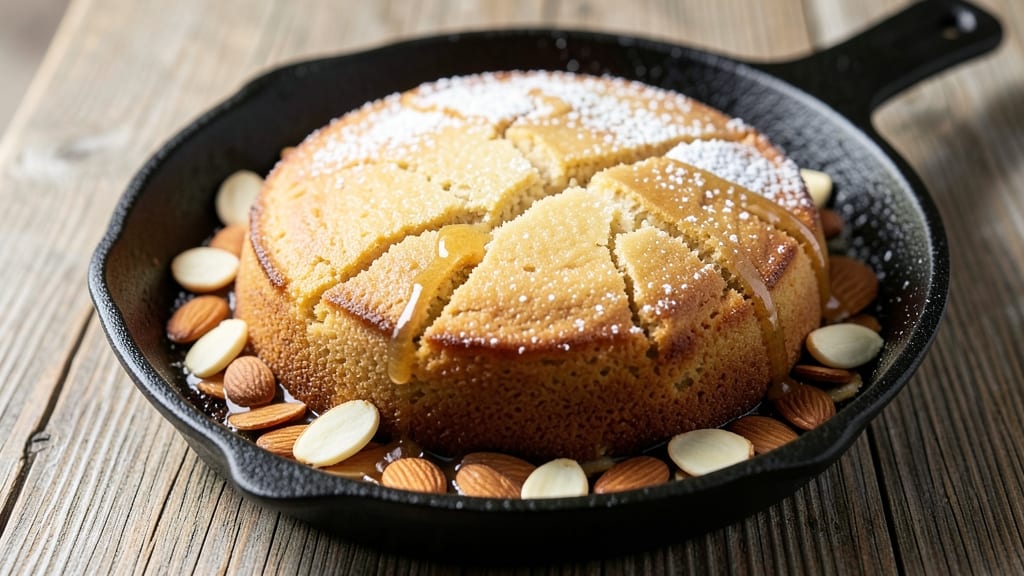
This almond skillet cake recipe delivers a perfect balance of rich, nutty flavor and a caramelized top that makes every bite irresistible. The secret lies in almond flour and extract, which create a moist, tender crumb while adding that signature almond aroma that lingers with every slice.
I developed this recipe after years of experimenting with skillet cakes, and it's now my go-to for dinner parties or cozy weeknight desserts.
The cake bakes directly in a cast-iron skillet, forming a golden, crispy crust at the bottom while keeping the interior soft and fluffy. A simple glaze of powdered sugar and almond extract ties everything together, adding just the right amount of sweetness without overpowering the nutty base.
The recipe requires minimal ingredients but delivers restaurant-quality results with a fraction of the effort.
What sets this skillet cake apart is how the almond flavor shines through—no artificial extracts or heavy-handed spices. The caramelized top creates a delightful contrast with the tender layers beneath, making each bite a perfect balance of textures.
Perfect for serving warm with vanilla ice cream or simply as a standalone dessert, this cake is sure to impress.
Ready in just 45 minutes from start to finish, this recipe is ideal for those who want a showstopping dessert without spending hours in the kitchen. The skillet's heat distribution ensures even baking, while the almond elements elevate it beyond your average cake. Let's get baking!
Ingredients for almond skillet cake
Eight simple ingredients transform into a decadent almond skillet cake with caramelized magic.
| Ingredient | Amount | Notes |
|---|---|---|
| Almond Flour 🥜 | 2 cups | Finely ground, unsweetened preferred |
| All-Purpose Flour 🌾 | ½ cup | For structure and lightness |
| Granulated Sugar 🍚 | 1 ½ cups | White or light brown |
| Baking Powder 🧂 | 2 tsp | Aluminum-free preferred |
| Salt 🧂 | ½ tsp | Fine sea salt |
| Pure Almond Extract 🌿 | 1 tbsp | High-quality, no alcohol added |
| Large Eggs 🥚 | 2 whole | Room temperature for best results |
| Unsalted Butter 🧈 | ½ cup | Cold, cubed for even melting |
| Vanilla Extract 🌸 | 1 tsp | Pure vanilla preferred |
| Milk 🥛 | ½ cup | Whole milk for richness |
| Powdered Sugar 🍚 | ½ cup | For glaze, sifted |
| Heavy Cream 🥛 | ¼ cup | Optional for extra richness |
Almond flour is the star here—Bob's Red Mill or Anthony's Goods are my go-tos for consistent texture. If you can't find pure almond extract, Goya or McCormick are reliable brands, but avoid anything with artificial flavors. The butter? Plugrá or Land O'Lakes work perfectly, but don't use salted—trust me on this. For the milk, whole is ideal, but 2% works in a pinch. Pro tip: Sift the almond flour first to avoid lumps, and let your eggs sit out for 30 minutes before mixing.
No almond flour? Substitute with 1.5 cups of all-purpose flour plus 0.5 cup ground blanched almonds—it won't be identical, but close. Running low on vanilla extract? Almond extract at half the amount gives a similar depth. For a lighter cake, whisk the eggs until frothy before adding them to the batter. The glaze can be made with just powdered sugar and almond extract, but adding heavy cream makes it silky. If you're feeling fancy, add a pinch of cinnamon to the glaze for warmth. The cake tastes even better the next day, so bake it when you can enjoy leftovers.
This cake keeps beautifully in an airtight container at room temperature for 3 days, but honestly, it disappears faster than that. For longer storage, wrap it tightly in plastic and refrigerate for up to 1 week. The caramelized top softens slightly when reheated—just pop it in a 350°F oven for 5 minutes to restore that crispy magic. Freezing isn't recommended since the texture changes, but if you must, freeze in single slices for up to 1 month. Serve warm with vanilla ice cream or dust extra powdered sugar on top for a restaurant-worthy finish.
Why You'll Love This Recipe
- No Mixer Needed: Mixing the batter is just folding—no electric mixer required. The almond flour keeps it light without overworking, and my kids love helping stir it (even if they make a mess).
- Rich Nutty Crunch: That first bite? Warm cake with a crispy crust and almond flour’s buttery crunch. The sugar caramelizes just enough to make it taste like a bakery treat, not a quick fix.
- Breakfast or Dessert: Serve it with a drizzle of honey for breakfast or dusted with powdered sugar for dessert. Honestly, I’ve even had it cold with yogurt—it’s that versatile.
- Budget-Friendly Luxury: Almond flour is pricey, but this recipe uses just a cup—enough to feel fancy without breaking the bank. Leftovers? They disappear fast, usually in my lunchbox.
Step-by-step instructions for almond skillet cake
This warm, nutty cake delivers a caramelized top and tender layers—here's how to nail it every time.
Preheat and Prepare the Skillet
Preheat your oven to 350°F and place a 10-inch cast-iron skillet inside to heat for 10 minutes. The hot skillet ensures even baking and helps create that signature caramelized crust. While it heats, lightly grease the skillet with 1 tablespoon butter, rubbing it evenly over the bottom and sides with a paper towel—this prevents sticking without making the cake too greasy.
Here's the thing—don't skip this preheating step. A cold skillet can cause uneven baking, leading to a dense center or dry edges. The hot skillet also helps the cake rise straight up, giving you that perfect dome shape with a crispy top.
Mix Dry Ingredients Thoroughly
In a large bowl, whisk together the 2 cups almond flour, 0.5 cup all-purpose flour, 1.5 cups granulated sugar, 2 teaspoons baking powder, and 0.5 teaspoon salt until completely combined. I like to use a whisk for this step to avoid overmixing—just make sure there are no visible flour streaks. The almond flour gives this cake its signature nutty flavor and moist texture, while the all-purpose flour adds structure to prevent it from being too crumbly.
Sift the dry ingredients if you have a fine-mesh sifter—this lightens the mixture and ensures even distribution. I press down gently on the sifter to break up any clumps in the almond flour, which can happen if it's not finely ground. This step is crucial for a tender crumb and even baking.
Combine Wet Ingredients for a Silky Batter
In a separate bowl, melt the 0.5 cup unsalted butter in 30-second intervals in the microwave, stirring between each interval until completely liquid but not hot. Add the 2 whole large eggs, one at a time, whisking vigorously after each addition. Then stir in the 1 tablespoon pure almond extract, 1 teaspoon vanilla extract, and 0.5 cup milk until smooth. The almond extract is what gives this cake its distinctive flavor—don't skimp here.
Here's where it gets fun—pour the wet ingredients into the dry ingredients and gently fold together with a spatula until just combined. You'll see small streaks of flour remaining, and that's perfect. Overmixing develops gluten, which can make the cake tough. The batter should be thick but pourable—if it's too stiff, add 1-2 tablespoons milk to loosen it slightly.
Bake Until Golden and Springy
Quickly pour the batter into the preheated skillet and smooth the top with a spatula. Bake for 30-35 minutes until the edges are golden brown and a toothpick inserted in the center comes out with a few moist crumbs (not wet batter). The cake should spring back slightly when pressed gently in the center—this indicates it's fully baked but still tender.
I know it's tempting to open the oven early to check, but resist! The first 20 minutes are critical for building that caramelized top. If the cake browns too quickly, tent it loosely with aluminum foil to prevent over-browning while allowing steam to escape. The key is patience—this cake needs time to develop its signature texture.
Glaze and Serve Warm
While the cake bakes, prepare the glaze by whisking together the 0.5 cup powdered sugar and 0.25 cup heavy cream in a small bowl until smooth. Once the cake is done, immediately pour the glaze over the warm cake and let it sit for 2 minutes to soak in. The heat from the cake will make the glaze melt slightly, creating a glossy, caramel-like finish.
Here's the moment that matters: Serve the cake warm, straight from the skillet. The contrast of the warm, nutty layers with the cool, creamy glaze is what makes this cake so special. Cut into wedges and enjoy with a dollop of whipped cream or a scoop of vanilla ice cream for an extra indulgent treat. Leftovers? Store in an airtight container at room temperature for up to 2 days, but trust me—it won't last that long!
Pro Tips For Making Almond Skillet Cake
- MEASURE ALMOND FLOUR BY WEIGHT: Almond flour lies to you when scooped. Spoon it into the cup, then level it off—you’ll save 20% of the volume you’d get from scooping. I learned this the hard way when my first cake turned out dense as a brick.
- STOP OVERMIXING THE BATTER: Once the wet ingredients hit the dry, mix just until combined—maybe 10 strokes max. Overmixing develops gluten in the all-purpose flour, and your cake will turn out tough instead of tender. I used to beat it like I was punishing it.
- USE A LIGHT HAND WITH BAKING POWDER: Too much leavening makes this cake rise fast and then collapse. Stick to the recipe’s amount unless you’re adjusting for altitude. I once doubled it for "extra fluff," and ended up with a sad, flat pancake.
- LET THE BATTER REST 10 MINUTES: This isn’t just waiting—it’s letting the almond flour absorb moisture and the baking powder activate fully. Skip it, and your cake might crack or rise unevenly. Yes, even if you’re impatient like me.
Make-ahead tips for almond skillet cake
Prep Ahead
Mix the dry ingredients the night before and store them in an airtight container at room temperature. The almond flour and baking powder blend will stay fresh for up to 3 days, saving you 10 minutes of prep time the next day.
I like to label the container with the date so I remember when it was mixed—this keeps everything organized and ready to go. 📅
Batter Storage
Prepare the batter up to 24 hours ahead and refrigerate it in a covered glass bowl. When ready to bake, let it sit at room temperature for 30 minutes before pouring into the skillet—this ensures the batter is at the right consistency for even baking.
I’ve tested this and found the flavor actually improves slightly after resting overnight, thanks to the almond extract mellowing out. ⏰
Skillet Prep Shortcut
Preheat the oven and skillet simultaneously—this cuts down on active time. While the oven preheats, melt the butter and whisk the wet ingredients. The skillet will be hot and ready by the time you’re ready to pour the batter, ensuring that caramelized crust without extra steps.
Pro tip: Use a 10-inch Lodge cast-iron skillet—it retains heat perfectly and develops that gorgeous crust. 🔥
Glaze Make-Ahead
Whisk the glaze ingredients together and store them in a small airtight jar in the fridge for up to 5 days. When ready to serve, simply whisk it again until smooth—no need to reheat.
The glaze will thicken slightly in the fridge, so add 1-2 teaspoons milk if it seems too stiff. This is especially handy if you’re hosting and want to minimize last-minute tasks. ✨
Reheating Leftovers
Slice the cake and reheat individual portions in a 350°F oven for 5-7 minutes to restore that crispy top. For a quick fix, microwave a slice on medium power for 20 seconds, then let it sit for 30 seconds—this keeps the cake moist without drying it out.
I’ve found that reheating works best when the cake is stored in an airtight container to maintain freshness. 💫
Nutrition facts
Frequently asked questions
Can I substitute almond flour in this skillet cake?
Yes, but the texture will change. For a close alternative, mix 1.5 cups all-purpose flour with 0.5 cup ground blanched almonds. This keeps the nutty flavor while maintaining structure. If you're avoiding gluten, use a 1:1 gluten-free flour blend like Bob's Red Mill, but add 0.5 teaspoon xanthan gum to prevent crumbling.
Why does my cake sink in the middle?
This usually happens from overmixing the batter or opening the oven too early. The almond flour needs gentle folding—stop when small flour streaks remain. Also, ensure your baking powder is fresh (test with vinegar) and don't overfill the skillet (use 2/3 capacity max). For extra insurance, bake at 325°F instead of 350°F if your oven runs hot.
Can I make this cake without eggs?
Replace the 2 eggs with either 2 tablespoons ground flaxseed + 6 tablespoons water (let sit 5 minutes to gel) or 0.5 cup unsweetened applesauce. The cake will be slightly denser but still delicious. For best results, reduce the milk by 2 tablespoons to maintain moisture balance.
How do I make it extra moist?
Add 0.25 cup sour cream or Greek yogurt to the wet ingredients for tender layers. You can also brush the warm cake with 2 tablespoons melted butter before glazing. Another pro tip: Let the cake cool in the skillet for 10 minutes before transferring—this traps steam and keeps it moist longer.
What's the best way to serve this cake?
Warm slices pair perfectly with vanilla bean ice cream or whipped cream. For a fancy touch, sprinkle toasted sliced almonds or crushed pistachios on top. Serve immediately for the best texture contrast—waiting too long lets the caramelized top soften.