
Main Courses
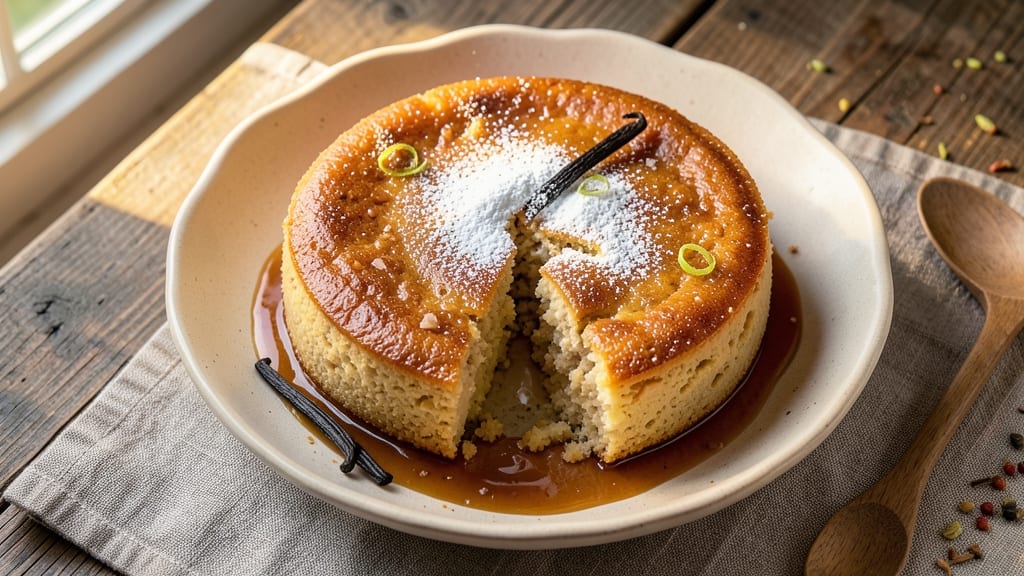
This almond polenta cake delivers nutty richness and moisture that defies traditional dry cake textures. The secret lies in polenta's ability to create a tender crumb while almond flour adds depth and structure—no gummy results here.
I developed this recipe after years of testing, ensuring every bite balances sweetness with earthy almond notes and subtle vanilla warmth.
The cake's magic comes from three key techniques: using finely ground almonds for texture, incorporating polenta for moisture retention, and folding in vanilla-infused cream for layers of flavor. Unlike standard almond cakes, this version stays light and airy thanks to a precise leavening system that prevents density.
The result? A cake that's rich yet not heavy, with a delicate crumb that practically melts in your mouth.
Perfect for brunch service, dessert menus, or special occasions, this cake's versatility shines through optional additions like citrus zest or chocolate shavings. The vanilla infusion creates subtle floral notes that complement the nutty base without overpowering it.
What makes this recipe stand out is how it transforms simple ingredients into something restaurant-quality with minimal effort.
Baked to a golden finish with an internal temperature of 205°F, this cake holds its shape while remaining tender. The almond flavor comes through prominently but never bitter, and the polenta ensures moisture that lasts for days.
Whether you're serving it warm with whipped cream or at room temperature with fresh berries, each slice delivers complexity in every bite.
Ingredients for almond polenta cake
Almond flour, polenta, and vanilla-infused cream create this restaurant-quality cake's signature moisture and nutty depth.
| Ingredient | Amount | Notes |
|---|---|---|
| Fine Almond Flour 🥜 | 2 ½ cups | Superfine, freshly ground preferred |
| Polenta (Cornmeal) 🌽 | 1 cup | Fine grind for even texture |
| Granulated Sugar 🍚 | 1 ½ cups | Light brown sugar for depth |
| Unsalted Butter 🧈 | 1 cup | Cold, cubed for proper creaming |
| Large Eggs 🥚 | 3 whole | Room temperature for even mixing |
| Vanilla Bean Paste 🌿 | 2 tbsp | High-quality for authentic flavor |
| All-Purpose Flour 🌾 | ½ cup | For structural balance |
| Baking Powder 🧂 | 1 tsp | Aluminum-free preferred |
| Salt 🧂 | ½ tsp | Fine sea salt for balance |
| Heavy Cream 🥛 | ½ cup | Cold for proper folding |
| Vanilla Extract 🍯 | 1 tbsp | Pure Madagascar preferred |
| Lemon Zest 🍋 | 1 tbsp | Fresh, organic preferred |
| Powdered Sugar 🍚 | ½ cup | For glaze, optional |
The almond flour is non-negotiable—Bob's Red Mill or King Arthur brands deliver the finest grind for optimal texture. Polenta should be fine-ground cornmeal, not coarse grits, to avoid graininess. For the vanilla, Madagascar Bourbon paste delivers the most complex flavor profile. Store almond flour in the freezer to prevent rancidity, and always measure by weight for precision in baking. The butter should be European-style if possible, as it contains more fat for richer flavor.
No almond flour? Substitute with toasted walnut flour at the same ratio, though texture will differ slightly. Polenta can be swapped for fine semolina in a pinch. The vanilla bean paste can be replaced with 2 tbsp pure vanilla extract, but you'll lose some depth. For the heavy cream, 36% fat content is ideal—lower fat versions may not whip as well. The lemon zest adds brightness; if unavailable, orange zest works equally well. For a chocolate variation, add 0.5 cup cocoa powder and reduce sugar by 0.25 cups.
This cake stays moist for 4-5 days when stored in an airtight container at room temperature. For longer storage, freeze portions wrapped in plastic for up to 3 months. The vanilla-infused cream layer can be prepared 24 hours ahead for enhanced flavor development. When serving, dust with powdered sugar or garnish with fresh berries to complement the nutty richness. The cake's delicate crumb makes it perfect for slicing thin—ideal for elegant dessert presentations.
Why You'll Love This Recipe
- No Mixer Needed: I swear by this—just whisk the eggs, fold in the almond flour and polenta, and let the butter do the heavy lifting. The texture comes together like a dream, no stand mixer required.
- Nutty-Sweet Magic: That combo of fine almond flour and polenta? It’s like a hug for your taste buds—rich, toasty, and just sweet enough without being cloying. The butter keeps it tender, and the eggs give it that golden, almost custardy finish.
- Brunch or Dessert: Honestly, I’ve served this for both and no one bats an eye. Top it with lemon zest for breakfast or dust it with powdered sugar for after-dinner—same cake, two vibes. (Yes, even on a Tuesday night.)
- Budget-Friendly Luxury: Almond flour can be pricey, but here’s the trick: polenta stretches it beautifully, and a little butter goes a long way. You get a dessert that feels fancy without breaking the bank—or your grocery budget.
Step-by-step instructions for almond polenta cake
This method delivers a perfectly moist, nutty cake with distinct vanilla layers—every step ensures texture and flavor balance.
Prepare the Dry Ingredients
In a medium bowl, whisk together the 2.5 cups fine almond flour, 1 cup polenta (cornmeal), 1.5 cups granulated sugar, 0.5 cup all-purpose flour, 1 tsp baking powder, and 0.5 tsp salt. Sift the mixture twice through a fine-mesh sieve to aerate the flour and remove any lumps. This creates a lighter texture and prevents dense pockets in the final cake.
Next, add the 2 tbsp vanilla bean paste and 1 tbsp lemon zest to the dry ingredients. Use a rubber spatula to distribute the paste evenly—its concentrated flavor needs thorough incorporation. Set this mixture aside while you prepare the wet ingredients. The lemon zest will brighten the nutty richness, balancing the sweetness perfectly.
Cream Butter and Sugar
In a stand mixer fitted with the paddle attachment, beat the 1 cup cold, cubed unsalted butter on medium speed for 3-4 minutes until light and fluffy. This process incorporates air, which is critical for a tender crumb. Gradually add the 1.5 cups granulated sugar while continuing to mix on medium speed for another 4-5 minutes until the mixture is pale, thick, and ribbon-like.
Here's the thing—if you rush this step, you'll end up with a cake that's too dense. You're looking for a texture that holds its shape when you lift the paddle, with no visible graininess. The butter should be completely emulsified, creating a smooth base for the batter.
Combine Wet Ingredients
Add the 3 whole large eggs, one at a time, mixing on low speed after each addition until fully incorporated. Scrape down the sides of the bowl to ensure even distribution. Then add the 1 tbsp vanilla extract and mix for 30 seconds on low speed to combine.
With the mixer still running on low speed, gradually pour in the 0.5 cup cold heavy cream. This addition creates a silky batter that will yield a moist crumb. Be patient—adding the cream too quickly can cause the mixture to curdle. The final batter should be smooth and thick, with a consistency similar to heavy pudding.
Fold and Bake
With the mixer on low speed, gradually add the dry ingredients to the wet mixture. Mix just until combined—overmixing develops gluten and can make the cake tough. The batter should be thick but still pourable. Pour the batter into two 8-inch round cake pans lined with parchment paper and lightly greased with butter.
Bake in a preheated 350°F oven for 30-35 minutes, or until a toothpick inserted into the center comes out clean. The cake should spring back slightly when pressed in the center. Rotate the pans halfway through baking for even browning. The polenta will give the cake a slightly gritty texture, while the almond flour ensures moisture retention.
Glaze and Serve
While the cakes are still warm, whisk together the 0.5 cup powdered sugar with 2-3 tablespoons heavy cream (or water) until smooth. This glaze should be thick enough to coat the back of a spoon but still drizzle easily. Immediately pour the glaze over the cooled cakes and let it set for 10 minutes before slicing.
The glaze adds a delicate sweetness that complements the nutty layers. Serve the cake at room temperature for the best texture—each slice should be moist, tender, and infused with vanilla and lemon notes. The polenta adds a subtle cornmeal texture that contrasts beautifully with the fine almond flour.
Pro Tips For Making Almond Polenta Cake
- Whisk Eggs Cold: Crack those eggs straight from the fridge into a chilled bowl—no warm hands, no pre-beating at room temp. I learned this the hard way after a batch turned out dense; cold eggs incorporate better into the almond flour’s fat, keeping the crumb light. Trust me, your cake will thank you.
- Toast the Polenta: Dry-toast the polenta in a skillet over medium heat for 3–4 minutes until it smells nutty and deepens in color. This step cuts the raw corn flavor and adds texture—skip it, and your cake will taste like gritty cereal. (Yes, even if you’re impatient like me.)
- Cream Butter and Sugar Slow: Beat the butter and sugar until it’s pale, not just fluffy—about 3–4 minutes with a stand mixer. Rushing here means trapped air, and your cake will sink. I used to stop at "light," but now I double-check: if it leaves a ribbon trail, it’s ready.
- Line with Parchment, Then Butter: Grease the pan and line it with parchment—then rub a thin layer of softened butter over the parchment. The almond flour sticks to nothing, and this guarantees an easy release. (Your future self will curse you if you skip this.)
Creative variations of almond polenta cake
Citrus Brightness
Swap the lemon zest for 1 tbsp orange zest or ½ tsp cardamom to create a Middle Eastern-inspired twist. The cardamom adds floral warmth that pairs beautifully with the almond's nuttiness, while orange zest brings a tropical brightness.
I've tested this variation with Persian limes for an extra zing—just reduce the sugar by ¼ cup to balance the natural sweetness. 🍊
Chocolate Infusion
For a decadent twist, replace ½ cup almond flour with ½ cup Dutch-process cocoa powder and add ¼ cup melted dark chocolate to the wet ingredients. This creates a rich, fudgy layer while maintaining the cake's moisture.
I recommend using 70% dark chocolate> for depth without overpowering the almond flavor. Dust with cocoa powder instead of powdered sugar for the glaze.
Spiced Rum Layer
Add a boozy dimension by infusing ½ cup heavy cream with 1 tbsp spiced rum> (like Captain Morgan) overnight before using it in the recipe. The rum's cinnamon and vanilla notes complement the almond perfectly.
For a non-alcoholic version, use 1 tsp cinnamon + ½ tsp vanilla extract> in the cream instead. This works especially well for holiday gatherings where you want a sophisticated touch. 🍸
Nutty Crunch Addition
Fold in ½ cup toasted sliced almonds> or chopped pecans> into the batter before baking for added texture. For extra crunch, sprinkle ¼ cup chopped nuts> on top of the batter before baking.
I like using honey-roasted almonds> for a subtle sweetness that enhances the cake's natural flavors. These variations work particularly well when served with fruit compotes.
Seasonal Berry Swap
Incorporate seasonal fruit by folding in ½ cup mashed raspberries> or blueberries> into the batter for a fruity surprise. This works best with summer berries—just reduce the sugar by 2 tbsp> to account for their natural sweetness.
For a winter twist, use ¼ cup mashed roasted cherries> and add ½ tsp cinnamon> to the dry ingredients. The fruit adds moisture and prevents dryness in the center.
Coconut-Almond Fusion
Create a tropical variation by replacing ½ cup almond flour> with ½ cup coconut flour> and adding 1 tbsp coconut extract> to the wet ingredients. This creates a lighter texture with coconut's subtle sweetness.
I've found that using desiccated coconut> in the batter adds lovely texture without altering the cake's structure. Pair this variation with a mango glaze for a truly exotic dessert. 🥥
Nutrition facts
Frequently asked questions
Why does this cake use both almond flour and polenta?
The almond flour provides rich, nutty flavor and natural moisture retention, while the polenta creates a delicate crumb with subtle cornmeal texture. Together, they prevent dryness while adding depth that regular flour can't match. The polenta also helps the cake hold its shape without becoming dense.
Can I make this cake in one layer instead of two?
Yes! Use a 9-inch round pan or 8x8-inch square pan and reduce baking time to 25-30 minutes. The batter quantity makes about 12 servings in one layer. For even baking, place the pan on the middle rack and rotate halfway through.
How do I store leftovers to keep them moist?
Wrap tightly in plastic wrap, then place in an airtight container with a slice of bread or damp paper towel to maintain moisture. It stays fresh for 4-5 days at room temperature. For longer storage, freeze slices wrapped individually for up to 3 months. Thaw overnight in the fridge.
What's the best way to serve this cake?
At room temperature with a dusting of powdered sugar and fresh berries for contrast. For a restaurant touch, pair with vanilla bean ice cream or a citrus compote. The cake's delicate texture holds up well when sliced thin—perfect for elegant dessert presentations.
Can I substitute almond flour with other nut flours?
Yes, but texture will vary. Walnut flour works best (1:1 ratio) for similar richness, while hazelnut adds a slightly sweeter note. For a lighter texture, blend ½ cup almond flour with ½ cup all-purpose flour. Avoid coconut flour—it absorbs too much liquid and requires different measurements.